
Category: Definitions
-

What the Bible Says About Probation: Understanding Its Meaning and Significance
In the Bible, “probation” as a term is not explicitly mentioned, but it can be understood in the context of testing and trial. It often refers to a period of testing one’s faith and obedience to God, seen in narratives like the Israelites’ wandering in the desert or Job’s trials, which reveal the character and…
-

What the Bible Says About the Left Hand: Symbolism and Significance
In the Bible, the left hand is often associated with lesser status or diminished favor. For example, in Matthew 25:33, the sheep are placed on the right and the goats on the left, symbolizing righteousness versus judgment, highlighting a contrast in divine acceptance. Scripture 15 Then the people of Israel cried out to the Lord,…
-

What the Bible Says About the Book of the Law: Understanding Its Meaning
The Book of the Law, often referred to as the Torah or the Pentateuch, comprises the first five books of the Hebrew Bible (Genesis, Exodus, Leviticus, Numbers, and Deuteronomy). It defines the laws, commandments, and teachings given by God to the Israelites, outlining their covenant relationship with Him and guiding their moral and social conduct.…
-

What the Bible Says About Calvary: A Definition and Its Significance
Calvary, derived from the Latin word “calvaria,” meaning “skull,” is the name of the place where Jesus was crucified, as referenced in the Gospels (Matthew 27:33, Mark 15:22, John 19:17). It symbolizes the location of Christ’s sacrifice for humanity’s sins and is central to the Christian understanding of redemption and salvation. Scripture 33 And when…
-

What the Bible Says: Understanding the TPT Translation Meaning
The TPT, or The Passion Translation, is a modern, dynamic Bible translation designed to convey the heart and emotion of the original texts, emphasizing the experience of God’s love and passion for humanity. It aims to be accessible and engaging for contemporary readers while seeking to maintain the essence of Scripture. Scripture 1 In the…
-
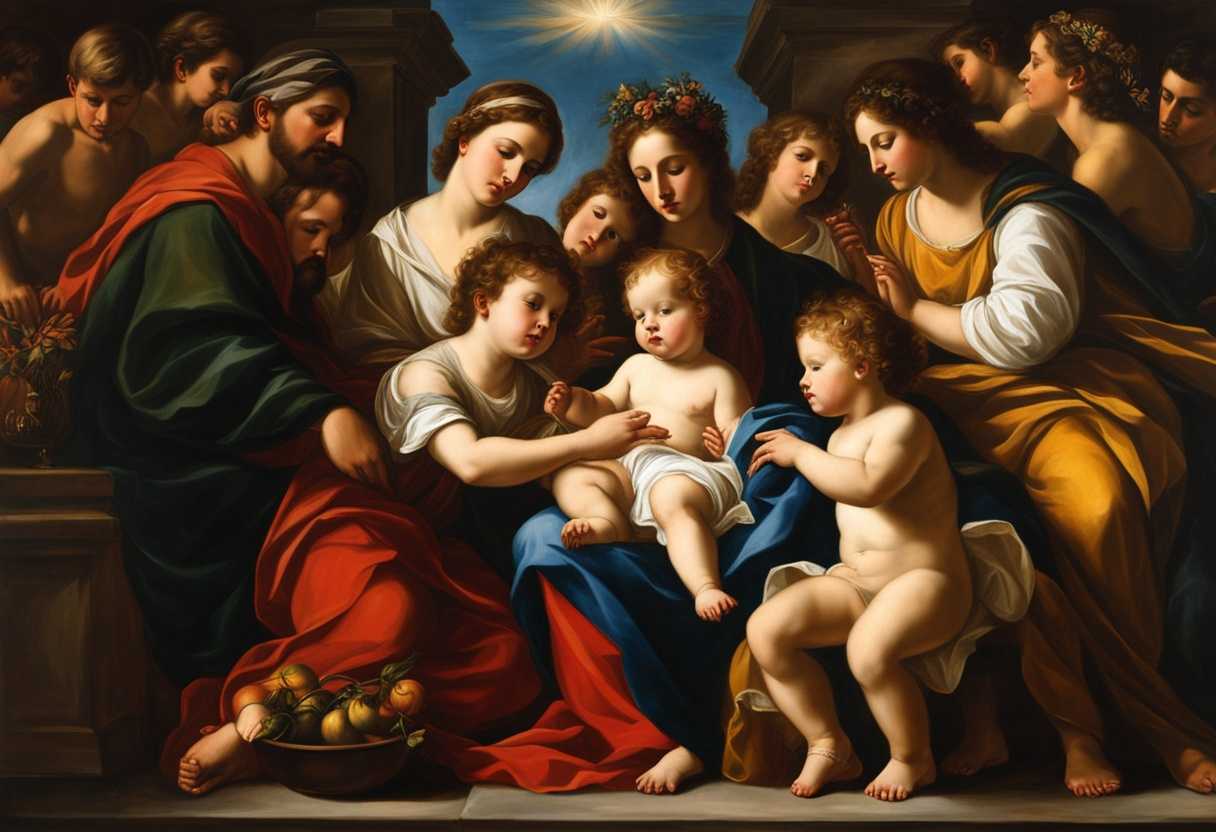
What the Bible Says About Being a Child of God
In the Bible, a “Child of God” refers to individuals who have been spiritually reborn through faith in Jesus Christ, signifying a unique relationship with God as their Father (John 1:12-13, 1 John 3:1). This status implies belonging to God’s family, characterized by love, obedience, and the promise of eternal life. Scripture 12 But to…
-

What the Bible Says About the Meaning of the Great Commission
The Great Commission, found in Matthew 28:18-20, is Jesus’ command to His disciples to make disciples of all nations, baptizing them and teaching them to obey His commands. It emphasizes the call to evangelism and the spread of the Gospel worldwide. Scripture 16 Now the eleven disciples went to Galilee, to the mountain to which…
-

What the Bible Says About a Wounded Soul
In the Bible, a wounded soul refers to a person who experiences deep emotional or spiritual pain, often resulting from sin, trauma, or suffering. It signifies the need for healing and restoration through God’s love and grace, as illustrated in passages like Psalm 147:3, which states that the Lord heals the brokenhearted and binds up…
-

What the Bible Says About the Meaning of Ancestors
In the Bible, ancestors hold significant importance as they are often seen as the foundational figures of faith, lineage, and covenant with God. They serve as a means of understanding heritage, identity, and God’s faithfulness through generations, as exemplified in genealogies and the promise of blessings passed down through families (e.g., Abraham, Isaac, and Jacob).…
-

What the Bible Says About Doxologies: Definitions and Significance
Doxologies in the Bible are short hymns of praise that glorify God, often concluding prayers or sections of scripture. They express worship and reverence, emphasizing God’s majesty and attributes, as seen in passages like Romans 11:36 and Revelation 1:6. Scripture 33 Oh, the depth of the riches and wisdom and knowledge of God! How unsearchable…