
Category: Definitions
-
What the Bible Says About the Meaning of Beersheba
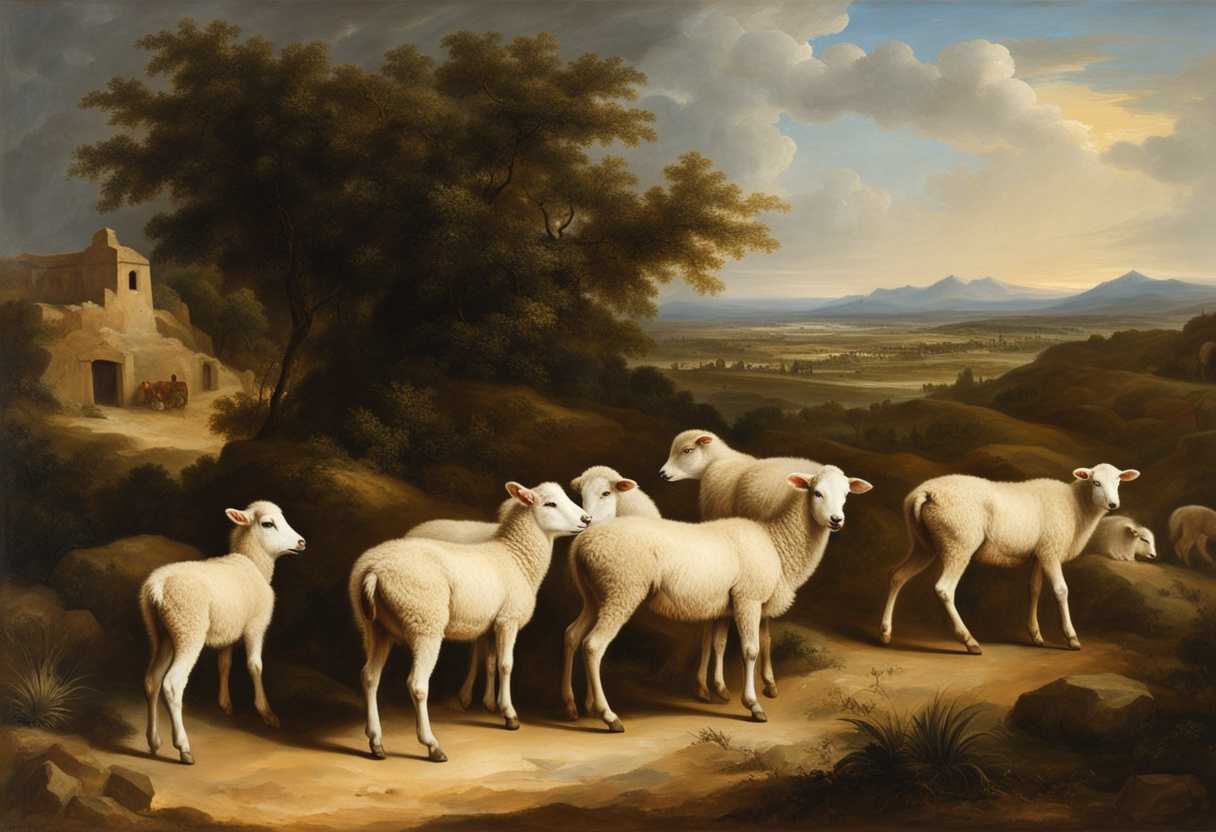
Beersheba, in the Bible, means “well of the oath” or “well of seven,” reflecting both a covenant established by Abraham and the presence of seven lambs as a sign of the agreement with Abimelech (Genesis 21:31). It served as a significant location for the patriarchs, often marking the southern boundary of Israel. Scripture 22 At…
-

What the Bible Says About the Meaning of Establish
In the Bible, “establish” often refers to the action of making something firm, secure, or enduring, such as God’s covenant with His people (Genesis 17:7) or the establishment of His Kingdom (Psalm 89:14). It conveys the idea of creating a strong foundation or support that lasts. Scripture 3 Commit your work to the Lord, and…
-

What the Bible Says About Gomorrah: Understanding Its Meaning and Significance
Gomorrah, in the Bible, refers to one of the two ancient cities, alongside Sodom, that were destroyed by divine judgment due to their wickedness and immorality, as described in Genesis 19. The name has since become synonymous with sin and degradation. Scripture 20 Then the Lord said, “Because the outcry against Sodom and Gomorrah is…
-

What the Bible Says About “Go Set a Watchman”
“Go Set a Watchman” is not a Bible verse but is the title of a novel by Harper Lee. In the context of the Bible, the term “watchman” typically refers to a person assigned to be vigilant and alert, often used metaphorically in scriptures like Ezekiel 33:7-9 to describe leaders or prophets who warn others…
-

What the Bible Says About the Meaning of a Pavilion
In the Bible, a “pavilion” typically refers to a dwelling or shelter, often associated with protection and safety. It can symbolize God’s presence and refuge, as seen in passages like Psalm 27:5, where it signifies a place of comfort in times of trouble. Scripture 5 For he will hide me in his shelter in the…
-

What the Bible Says About Idle Behavior
In the Bible, “idle” often refers to being inactive or lazy, particularly in spiritual or moral duties. It can denote a state of being unproductive or lacking purpose, as seen in passages such as 2 Thessalonians 3:11, which admonishes against being idle and encourages diligence in work. Scripture 15 Slothfulness casts into a deep sleep,…
-

What the Bible Says About the Land of Nod: Meaning and Significance
The Land of Nod, mentioned in Genesis 4:16, is where Cain settled after being cursed for killing Abel. The term “Nod” is thought to mean “wandering,” reflecting Cain’s life of exile and restlessness after his transgression. Scripture 13 Cain said to the Lord, “My punishment is greater than I can bear. 14 Behold, you have…
-
What the Bible Says About the Meaning of “Mad”
In the Bible, “mad” often refers to being irrational or driven by intense emotions, particularly anger or fear. It can signify a loss of sanity or divine judgment, as seen in passages like 1 Samuel 21:13-15, where David feigned madness to escape danger. Scripture 10 And David rose and fled that day from Saul and…
-
What the Bible Says About the Kidron Valley: Its Meaning and Significance
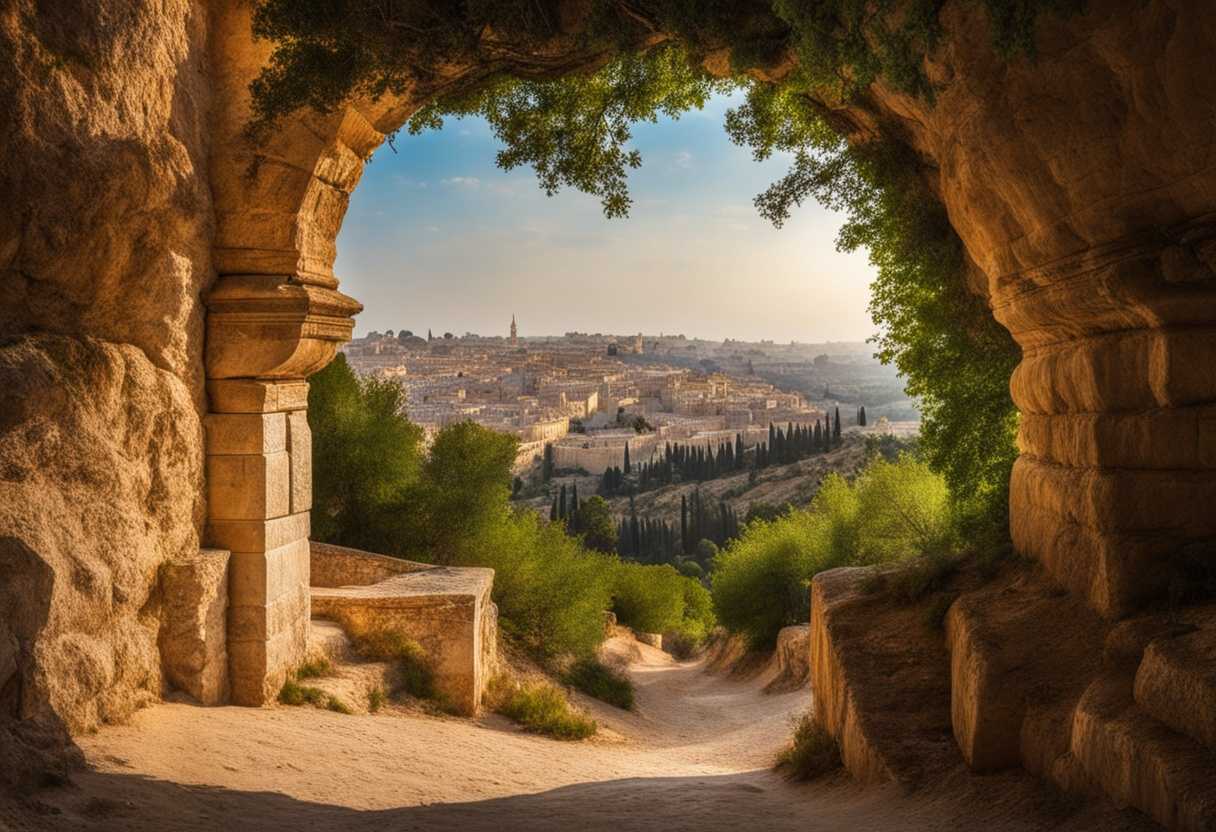
The Kidron Valley, mentioned in the Bible, is a ravine located between Jerusalem and the Mount of Olives. It is significant as a site associated with various biblical events, including King David’s flight from Absalom (2 Samuel 15:23) and the actions of Jesus during the Passion (John 18:1). Scripture 23 And all the land wept…
-

What the Bible Says About No Jesting: Understanding Its Meaning
The phrase “no jesting” in the Bible, particularly in Ephesians 5:4, refers to avoiding coarse joking, foolish talk, or inappropriate humor that undermines the seriousness of faith and the dignity of conversation. It emphasizes maintaining a sense of reverence and purity in speech as an expression of Christian conduct. Scripture 1 Therefore be imitators of…