
Category: Definitions
-

What the Bible Says About Gainsaying
In the Bible, “gainsay” refers to the act of contradicting or opposing someone or something. It implies refuting, denying, or speaking against the truth or authority, often used in the context of disputing God’s word or the teachings of Christ. Scripture 16 “Behold, I am sending you out as sheep in the midst of wolves,…
-

What the Bible Says About the South Wind
In the Bible, the south wind is often associated with warmth and favorable conditions. It is mentioned in the context of agricultural prosperity and pleasant weather, symbolizing blessings and the presence of God’s favor (e.g., in Job 37:17 and the parable of the prodigal son in Luke 15:20). Scripture 5 And he fell asleep and…
-
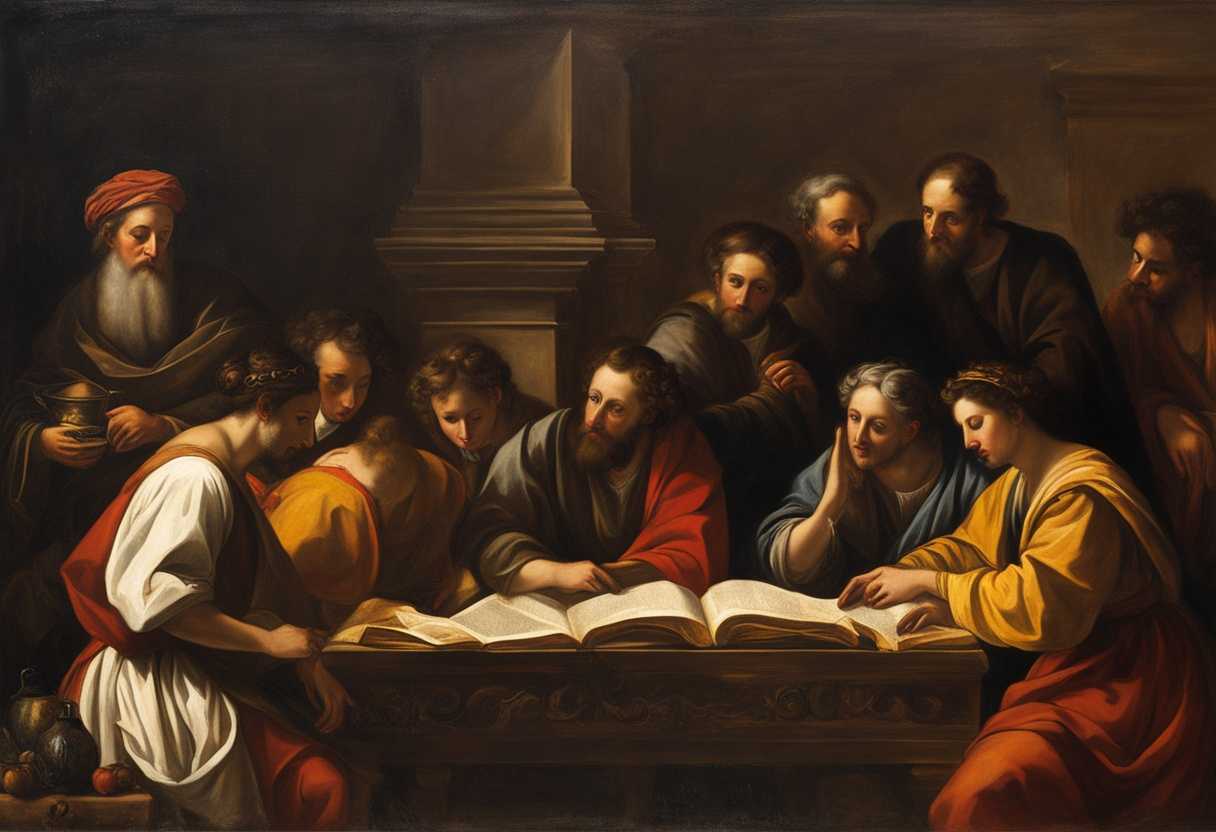
What the Bible Says: Unveiling the Hebrew Meaning of Key Verses
Hebrew interpretations of Bible verses often involve analyzing the original Hebrew text to uncover deeper meanings, nuances, and cultural contexts that may not be evident in translations. This approach highlights wordplay, grammatical structures, and historical background, enriching the understanding of scriptural passages. Scripture 1 In the beginning, God created the heavens and the earth. 2…
-

What the Bible Says About Being Thirsty
In the Bible, thirst often symbolizes a deep spiritual longing for God or righteousness. It reflects the human need for divine fulfillment and is frequently connected to the desire for spiritual sustenance, as illustrated in verses like Matthew 5:6, “Blessed are those who hunger and thirst for righteousness, for they shall be satisfied.” Scripture 1…
-

What the Bible Says About Humble Yourself: Understanding Its Meaning
In the Bible, “humble yourself” signifies recognizing one’s limitations and dependence on God, leading to a posture of servitude and obedience. It emphasizes the importance of lowering oneself in pride, as seen in James 4:10, which calls believers to submit to God and seek His grace. Scripture 14 if my people who are called by…
-
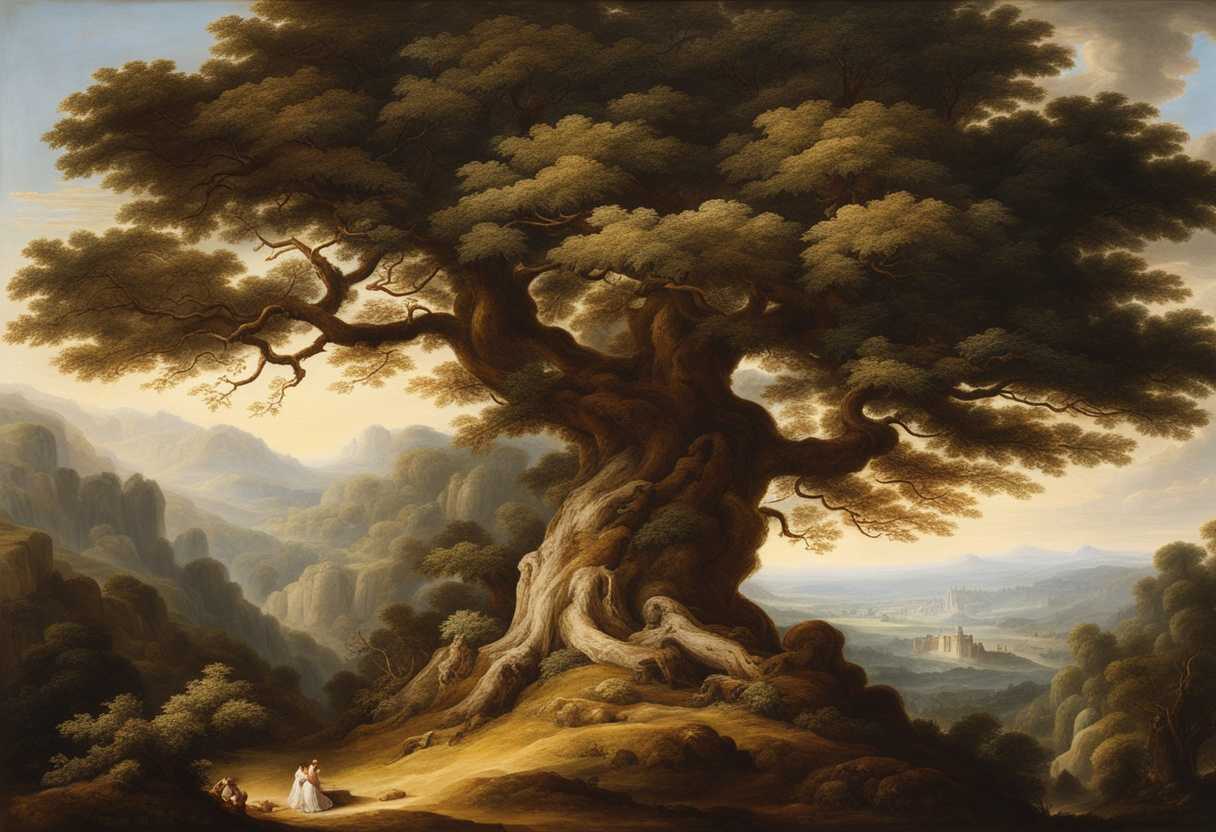
What the Bible Says About Yew: Understanding Its Significance and Symbolism
In the Bible, the yew tree is not specifically mentioned, but trees often symbolize longevity, strength, and stability. In a broader biblical context, certain trees like the cedar represent resilience and are often associated with God’s protection and presence. Scripture 19 I will put in the wilderness the cedar, the acacia, the myrtle, and the…
-

What the Bible Says About Turning the Other Cheek: Understanding Its Meaning
“Turn the other cheek” refers to the biblical principle found in Matthew 5:39, where Jesus teaches to respond to violence and insult with non-retaliation and forgiveness, promoting peace over vengeance. It encourages individuals to withstand wrongdoing without seeking revenge. Scripture 38 “You have heard that it was said, ‘An eye for an eye and a…
-

What the Bible Says About the Meaning of Caves
In the Bible, caves often symbolize refuge, shelter, or places of spiritual encounters. Notable examples include David hiding from Saul in the Cave of Adullam (1 Samuel 22:1) and Jesus’ burial in a tomb, which was a cave (John 19:41), emphasizing themes of protection and transformation. Scripture 30 Now Lot went up out of Zoar…
-

What the Bible Says About the Meaning of Charity in KJV
In the King James Version (KJV) Bible, “charity” refers to a selfless, unconditional love and concern for others, often associated with acts of benevolence and kindness. It is most famously defined in 1 Corinthians 13, where charity is described as the greatest of virtues, embodying patience, kindness, and the absence of envy or pride. Scripture…
-

What the Bible Says About the Meaning of a Flower Budding
In the Bible, flower budding symbolizes new life, beauty, and renewal, often reflecting God’s creative power and the promise of resurrection. For example, Isaiah 35:1-2 uses the imagery of blossoming flowers to convey hope and the restoration of God’s people. Scripture 11 And God said, “Let the earth sprout vegetation, plants yielding seed, and fruit…