
Category: Definitions
-
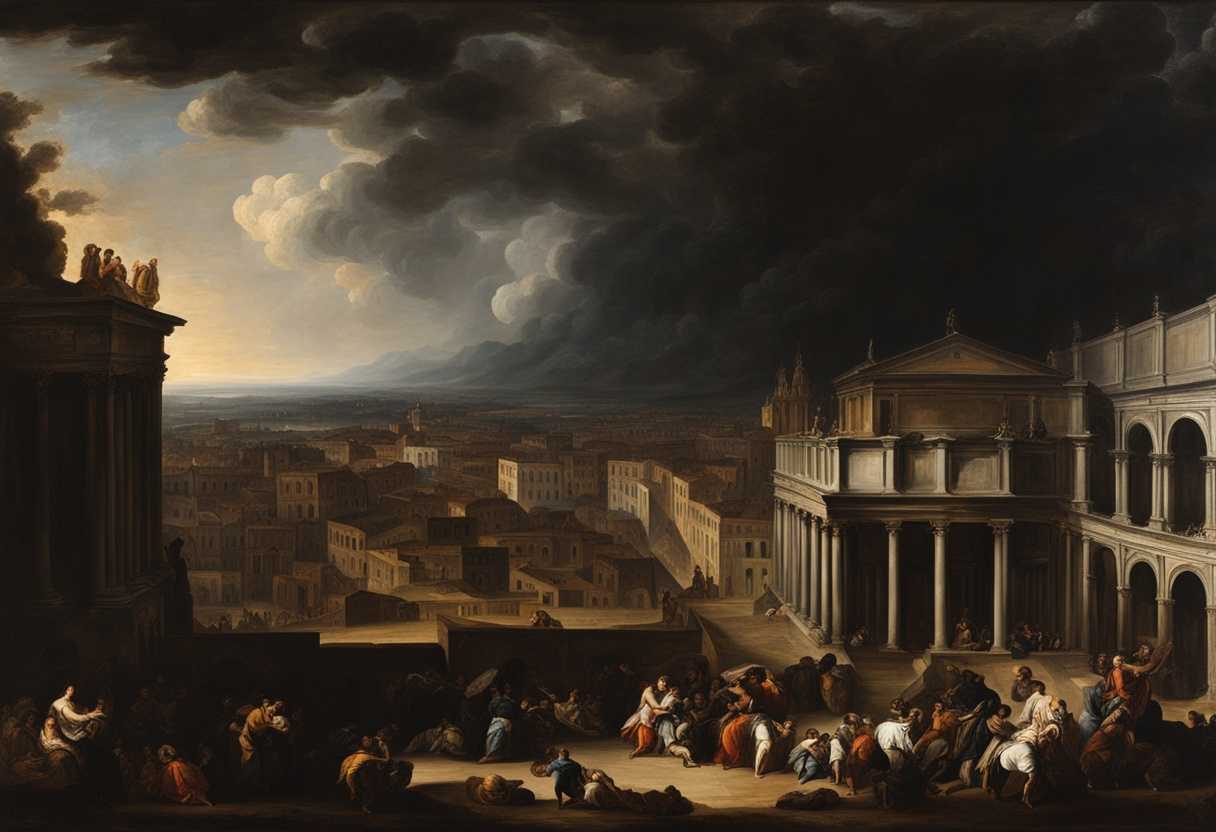
What the Bible Says About Howl: Understanding Its Meaning and Significance
In the Bible, “howl” often signifies a cry of grief, lamentation, or distress, reflecting deep sorrow or warning of impending judgment (e.g., Isaiah 13:6). It can also be associated with the mourning of nations or cities facing destruction. Scripture 6 Wail, for the day of the Lord is near; as destruction from the Almighty it…
-

What the Bible Says About Spotted Garments: Symbolism and Significance
In the Bible, spotted garments symbolize impurity or unrighteousness. They often represent the blemished state of those who have strayed from God’s commandments, contrasting with the purity associated with righteousness. Scripture 1 The Lord spoke to Moses and Aaron, saying, 2 When a person has on the skin of his body a swelling or an…
-

What the Bible Says About Being Miserable
In the Bible, “miserable” often describes a state of deep distress or unhappiness, typically resulting from sin, suffering, or separation from God. It can reflect both physical and spiritual anguish, highlighting the need for divine comfort and redemption. Scripture 20 “Why is light given to him who is in misery, and life to the bitter…
-

What the Bible Says About Wheat and Honey: Symbolism and Meaning
In the Bible, wheat symbolizes abundance, nourishment, and the blessings of the land (e.g., Deuteronomy 8:8), while honey represents sweetness, delight, and the goodness of God’s provision (e.g., Psalm 19:10). Together, they often illustrate God’s generosity and the richness of His promises. Scripture 47 During the seven plentiful years the earth produced abundantly. 48 And…
-

What the Bible Says About Reclaiming What Was Lost
In a biblical context, to reclaim often refers to the act of restoring or recovering something to its rightful place or condition, particularly in relation to God’s promises or the restoration of His people. This can be seen in themes of redemption, where God redeems His people from sin and exile, symbolizing a spiritual reclamation.…
-

What the Bible Says About the Meaning of Bread and Water
In the Bible, bread symbolizes sustenance, often representing God’s provision and the spiritual nourishment found in Christ (John 6:35). Water signifies life and purification, illustrating the need for spiritual refreshment and the cleansing power of God’s grace (John 4:14, Ezekiel 36:25). Scripture 1 And the Lord appeared to him by the oaks of Mamre, as…
-

What the Bible Says About Skins: A Definition and Exploration
In the Bible, “skins” often refer to animal hides used for clothing or covering, symbolizing both physical protection and the sacrificial system. Notably, in Genesis 3:21, God made garments of skin for Adam and Eve after the Fall, indicating a divine provision for human shame and vulnerability. Scripture 21 And the Lord God made for…
-

What the Bible Says About the Characteristics of the Palm Tree
In the Bible, palm trees symbolize victory, peace, and prosperity. They are often associated with triumph and righteousness, as seen in Psalm 92:12, which states that “the righteous will flourish like a palm tree.” Scripture 12 The righteous flourish like the palm tree and grow like a cedar in Lebanon. 13 They are planted in…
-

What the Bible Says About Tributaries: Definitions and Significance
In the Bible, tributaries refer to smaller rivers or streams that flow into a larger river, symbolizing the extension of blessings and resources from a central source, often reflecting God’s abundant provision. Additionally, tributaries can represent the nations or peoples that are connected to Israel, acknowledging a relationship of dependence and unity under God’s sovereignty.…
-

What the Bible Says About Onyx Stone
In the Bible, onyx is often associated with beauty and value, serving as one of the precious stones in the high priest’s breastplate (Exodus 28:9-12) and mentioned in the description of the Garden of Eden (Genesis 2:12). It symbolizes strength and protection, as well as being part of the imagery used in depicting the city…