
Category: Definitions
-
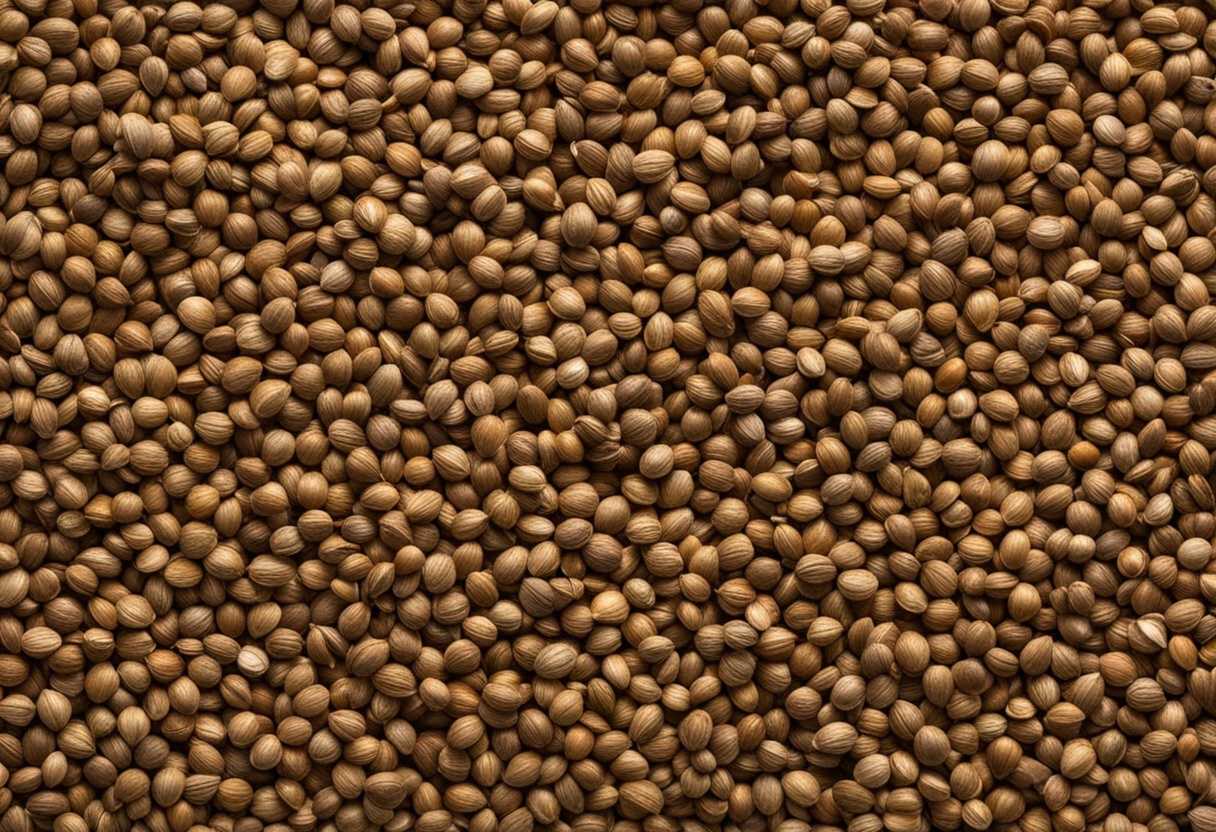
What the Bible Says About the Meaning of Coriander
In the Bible, coriander is mentioned in Exodus 16:31 as a comparison to the manna that God provided to the Israelites in the wilderness, highlighting its role as a staple food and symbolizing divine provision. Additionally, it is referenced in Numbers 11:7, where its seeds are described as resembling the manna, emphasizing themes of sustenance…
-

What the Bible Says About Tame: Understanding Its Definition and Significance
In the Bible, “tame” often refers to the act of training or bringing an animal, particularly domesticated ones, under control for human use or companionship. It can also symbolize the idea of bringing order and discipline to one’s life or spirit, reflecting self-control and submission to God’s will. Scripture 7 For every kind of beast…
-

What the Bible Says About the Definition of the Tabernacle
In the Bible, the term “tabernacle” refers to a portable dwelling place for the divine presence of God among the Israelites, as described in Exodus 25-27. It served as a place of worship and sacrifice during their journey through the wilderness before the establishment of the Temple in Jerusalem. Scripture 1 The Lord said to…
-

What the Bible Says About Being Convinced
In the Bible, being convinced refers to a deep, firm belief or certainty about a truth, often related to faith in God and His promises. This conviction leads to a transformation in one’s actions and life, as seen in Romans 4:21, where Abraham was fully persuaded that God would fulfill His promises. Scripture 38 For…
-

What the Bible Says About the Rudder of a Ship
In the Bible, the “rudder of a ship” is often used metaphorically to symbolize guidance and control, as seen in James 3:4, which compares the tongue to a rudder that directs a ship despite its size. This illustrates the power of small things in influencing the direction of one’s life and actions. Scripture 3 If…
-

What the Bible Says About Chrysolite: Definition and Significance
In the Bible, chrysolite is a precious stone mentioned in Exodus 28:17 and Revelation 21:20, often associated with beauty and divine creation. It represents value and is part of the foundation of the New Jerusalem, symbolizing God’s glory and the richness of His creation. Scripture 15 “You shall make a breastpiece of judgment, in skilled…
-

What the Bible Says About Bronze: Symbolism and Significance
In the Bible, bronze often symbolizes strength, durability, and judgment. It is frequently associated with judgment as seen in the bronze altar used in the tabernacle and the bronze serpent in the wilderness, representing both the severity of God’s judgment and His provision for salvation. Scripture 1 “You shall make the altar of acacia wood,…
-

What the Bible Says About Disgrace: Understanding Its Definition and Implications
In the Bible, disgrace refers to a state of shame or dishonor resulting from sin or wrongdoing, often seen as a consequence of disobedience to God’s commandments (e.g., Psalm 69:19). It can also signify public humiliation or loss of reputation, sometimes used to illustrate the repercussions of turning away from God (e.g., Proverbs 18:3). Scripture…
-

What the Bible Says About Genuine Leather: Understanding Its Meaning and Significance
The term “genuine leather” in the context of Bibles typically refers to a cover made from real animal hide, providing durability and a classic appearance. It signifies quality and authenticity, distinguishing itself from synthetic materials often labeled as “leather-like.” Scripture 21 And the Lord God made for Adam and for his wife garments of skins…
-
What the Bible Says About the Meaning of Food for the Stomach
In the Bible, “food for the stomach” refers to the basic sustenance necessary for physical survival and is often used to illustrate the temporary and earthly nature of physical needs, as seen in passages like 1 Corinthians 6:13, which emphasizes that while food and the stomach are important, they are ultimately part of a greater…