
Category: Definitions
-

What the Bible Says About Fitches: A Definition and Exploration
In the Bible, “fitches” likely refer to a type of grain or herb, often associated with the plant called “spelt.” It is mentioned in Isaiah 28:25-27, where it illustrates agricultural practices and God’s provision in ensuring the right seeds are used for various crops. Scripture 9 “And you, take wheat and barley, beans and lentils,…
-

What the Bible Says About the Hebrew Definition of “Pala”
In Hebrew, “pala” (פָּלָא) means to be wonderful or to be marvelous. It is often used in the context of God’s wondrous acts or deeds, emphasizing His exceptional nature and power. Scripture 10 The Lord said, “I will surely return to you about this time next year, and Sarah your wife shall have a son.”…
-
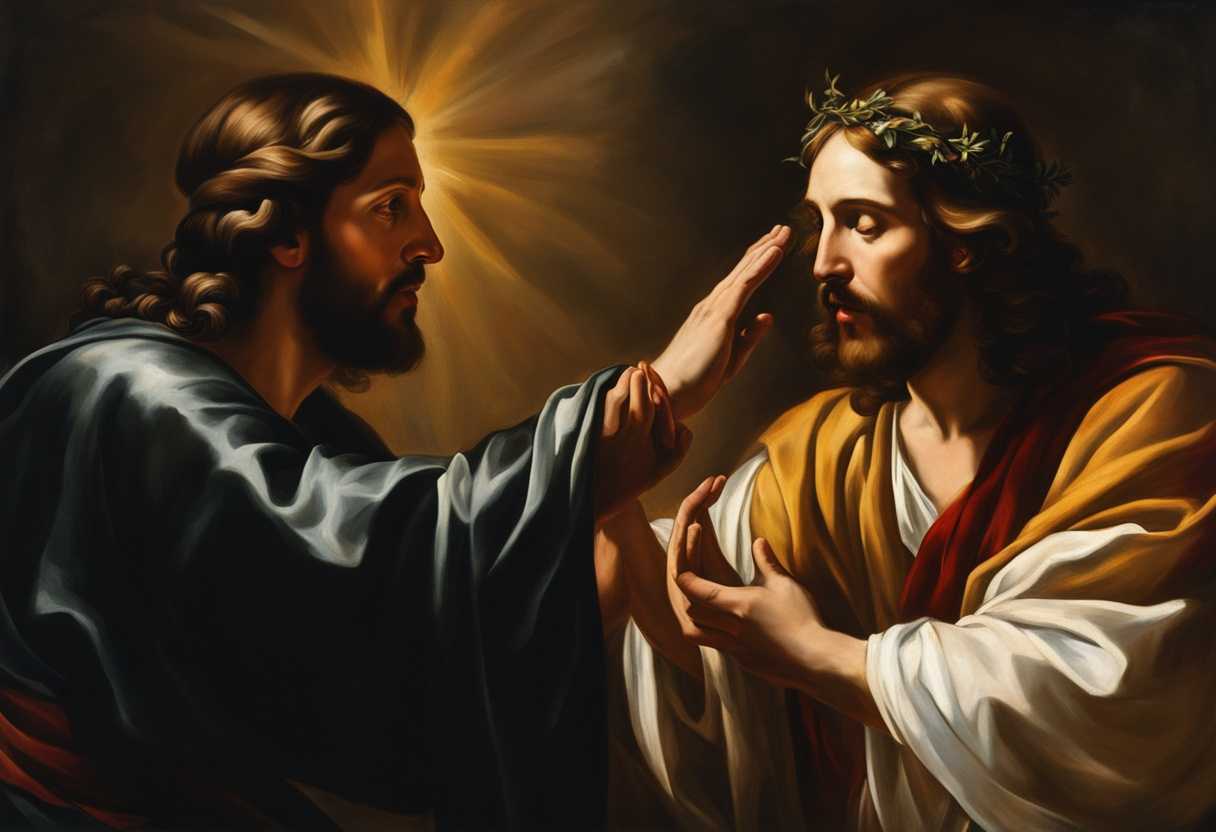
What the Bible Says About the Meaning of Ephphatha
“Ephphatha” is an Aramaic term meaning “be opened,” found in Mark 7:34, where Jesus uses it to heal a deaf and mute man. The term signifies the opening of the man’s ears and mouth, symbolizing spiritual awakening and the restoration of communication. Scripture 31 Then he returned from the region of Tyre and went through…
-

What the Bible Says About the Meaning of Fire as a Symbol
In the Bible, fire often symbolizes God’s presence, purity, and judgment. It represents both the refining process of spiritual growth and the consuming wrath against sin, as seen in events like Moses’ encounter with the burning bush and the imagery of hell. Scripture 2 And the angel of the Lord appeared to him in a…
-

What the Bible Says About the Meaning of the 7 Trumpets
In the Book of Revelation, the seven trumpets symbolize a series of divine judgments unleashed upon the earth during the end times. Each trumpet heralds significant catastrophic events, representing God’s call to repentance and foreshadowing the ultimate culmination of His plan for justice and salvation. Scripture 6 Now the seven angels who had the seven…
-

What the Bible Says About “Precept Upon Precept” Meaning
The phrase “precept upon precept” comes from Isaiah 28:10, which implies that God teaches His people gradually and systematically, line by line and instruction by instruction. It emphasizes the importance of building knowledge and understanding in a structured manner. Scripture 9 “To whom will he teach knowledge, and to whom will he explain the message?…
-

What the Bible Says About Seeing Through a Glass Darkly
The phrase “through a glass darkly” comes from 1 Corinthians 13:12, where it signifies that we see and understand things incompletely and imperfectly in our current state. It emphasizes the notion that our understanding of divine truth is limited and obscured, contrasting with the clarity of knowledge to come in the future. Scripture 9 For…
-

What the Bible Says About the 11th Month
In the Bible, the 11th month is known as Shebat in the Hebrew calendar, which corresponds to January-February. It is a time that signifies renewal and preparation, particularly in the context of God’s covenant and the restoration of His people, as reflected in passages like Zechariah 1:7. Scripture 1 These are the words that Moses…
-
What the Bible Says About the Definition of Speak
In the Bible, “speak” often refers to the act of communicating God’s messages or truths, as seen in various instances where prophets convey divine revelations. It also emphasizes the power and significance of words, as in Proverbs 18:21, which states that “death and life are in the power of the tongue.” Scripture 20 From the…
-

What the Bible Reveals: The Hidden Meanings Within Its Texts
Unlocking the Bible’s hidden meanings involves interpreting the text beyond its literal sense to uncover deeper spiritual truths and insights. This process often includes studying context, language, and cultural background, guided by prayer and the Holy Spirit for discernment. Scripture 19 Then the mystery was revealed to Daniel in a vision of the night. 20…