
Category: Definitions
-

What the Bible Says About Pleasant Words
In the Bible, “pleasant words” are often associated with kindness, wisdom, and encouragement. Proverbs 16:24 states, “Gracious words are like a honeycomb, sweetness to the soul and health to the body,” highlighting their power to uplift and provide comfort. Scripture 24 Gracious words are like a honeycomb, sweetness to the soul and health to the…
-

What the Bible Says About Edom: Meaning and Significance
In the Bible, Edom refers to both a country located south of Israel and the descendants of Esau, the twin brother of Jacob (Israel). The term “Edom” means “red” in Hebrew, which is a reference to the red stew for which Esau famously traded his birthright (Genesis 25:30). Scripture 29 Once when Jacob was cooking…
-
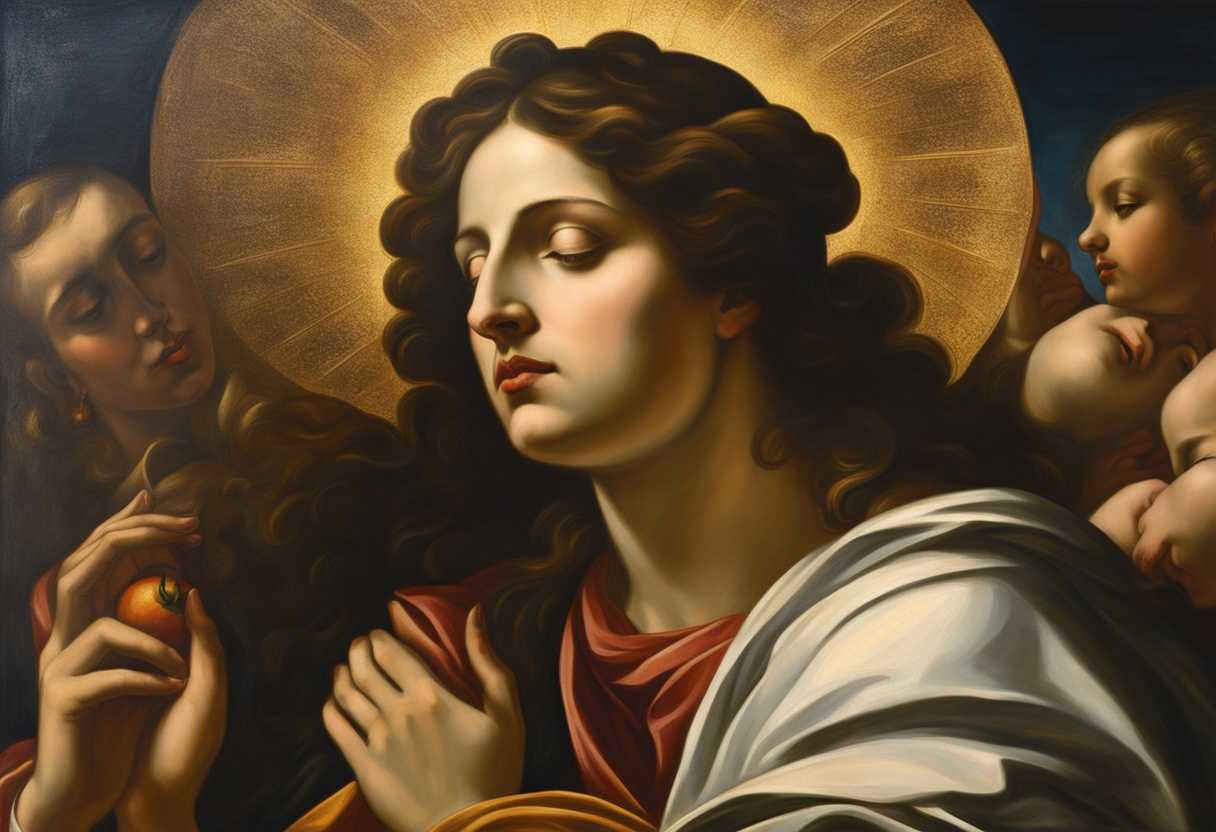
What the Bible Says About Unutterable Things
In the Bible, “unutterable” refers to something that is beyond human expression or comprehension, often related to the ineffable nature of God or profound spiritual experiences. This concept is illustrated in Romans 8:26, where the Spirit intercedes with “groanings that cannot be uttered.” Scripture I must go on boasting. Though there is nothing to be…
-
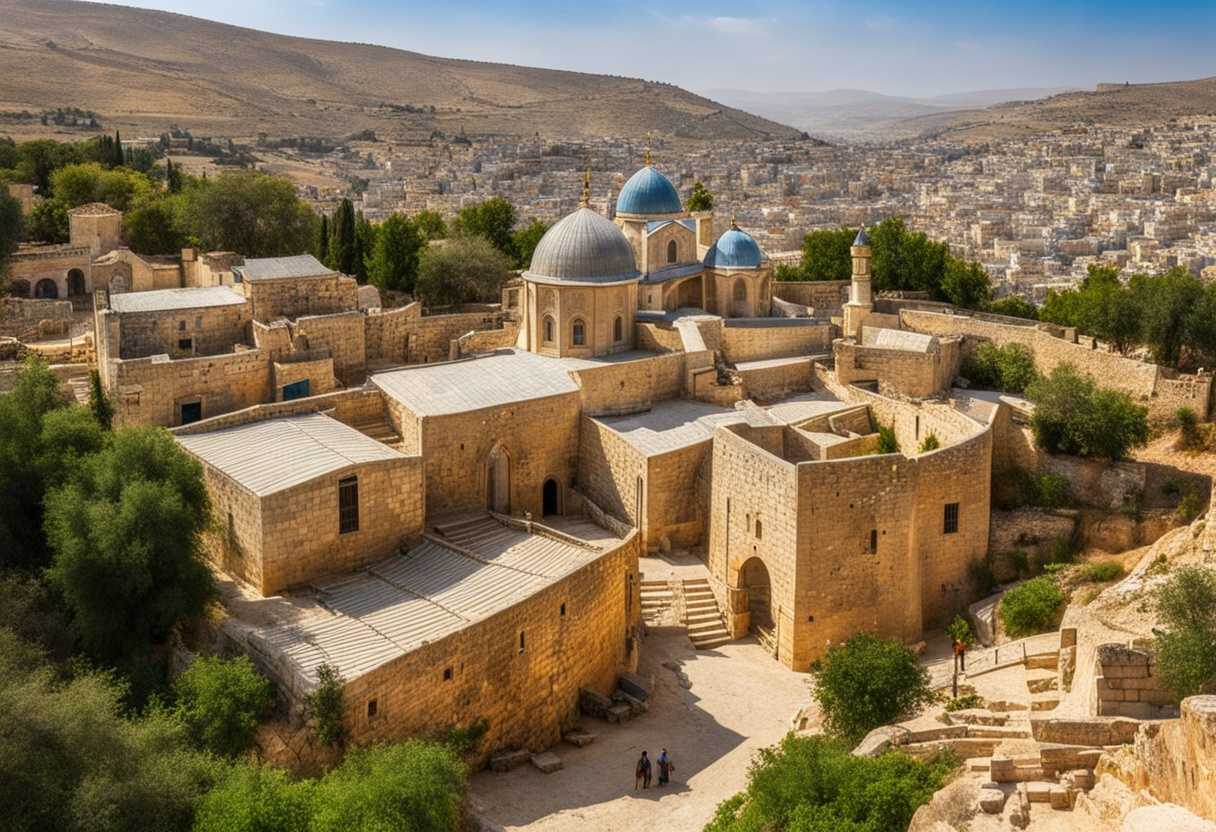
What the Bible Says About Hebron
Hebron, in the Bible, is a significant ancient city located in the southern part of Canaan, known as the burial place of the patriarch Abraham and his family. It symbolizes a place of ancestry, covenant, and the fulfillment of God’s promises to the descendants of Abraham. Scripture 18 So Abram moved his tent and came…
-

What the Bible Says About the Greek Definition of “Cause”
In the Bible, the Greek word for “cause” is “aitia,” which signifies a reason or basis for something. It often refers to the underlying reason for events or actions, emphasizing accountability or source. Scripture 18 Then the Lord God said, “It is not good that the man should be alone; I will make him a…
-

What the Bible Says About Kadesh: Its Meaning and Significance
Kadesh, in the Bible, refers to a significant oasis located in the wilderness of Zin, known as Kadesh-Barnea. It is notable as a key site during the Israelites’ Exodus journey, where they camped and sent spies into the Promised Land (Numbers 13:26, Deuteronomy 1:19). Scripture 26 And they came to Moses and Aaron and to…
-

What the Bible Says About Integrity: A Definition and Exploration
In the Bible, integrity refers to the quality of being honest and having strong moral principles, often highlighted in passages such as Proverbs 11:3, which states that “the integrity of the upright guides them.” It embodies wholeness and consistency in character, aligning one’s actions with God’s commandments. Scripture 9 Whoever walks in integrity walks securely,…
-

What the Bible Says About the Meaning of Ararat
In the Bible, Ararat refers to the mountainous region where Noah’s Ark came to rest after the Great Flood (Genesis 8:4). It is often identified with the modern-day Ararat mountain range in eastern Turkey and symbolizes a place of new beginnings and divine promise. Scripture 4 And in the seventh month, on the seventeenth day…
-

What the Bible Says About the Meaning of a Little While
In the Bible, “a little while” often signifies a brief period of time in the context of God’s plans and promises, emphasizing patience and hope during trials. It reflects the idea that God’s intervention or fulfillment will come soon, even if it may not align with human expectations of timing (John 16:16-20; Hebrews 10:37). Scripture…
-
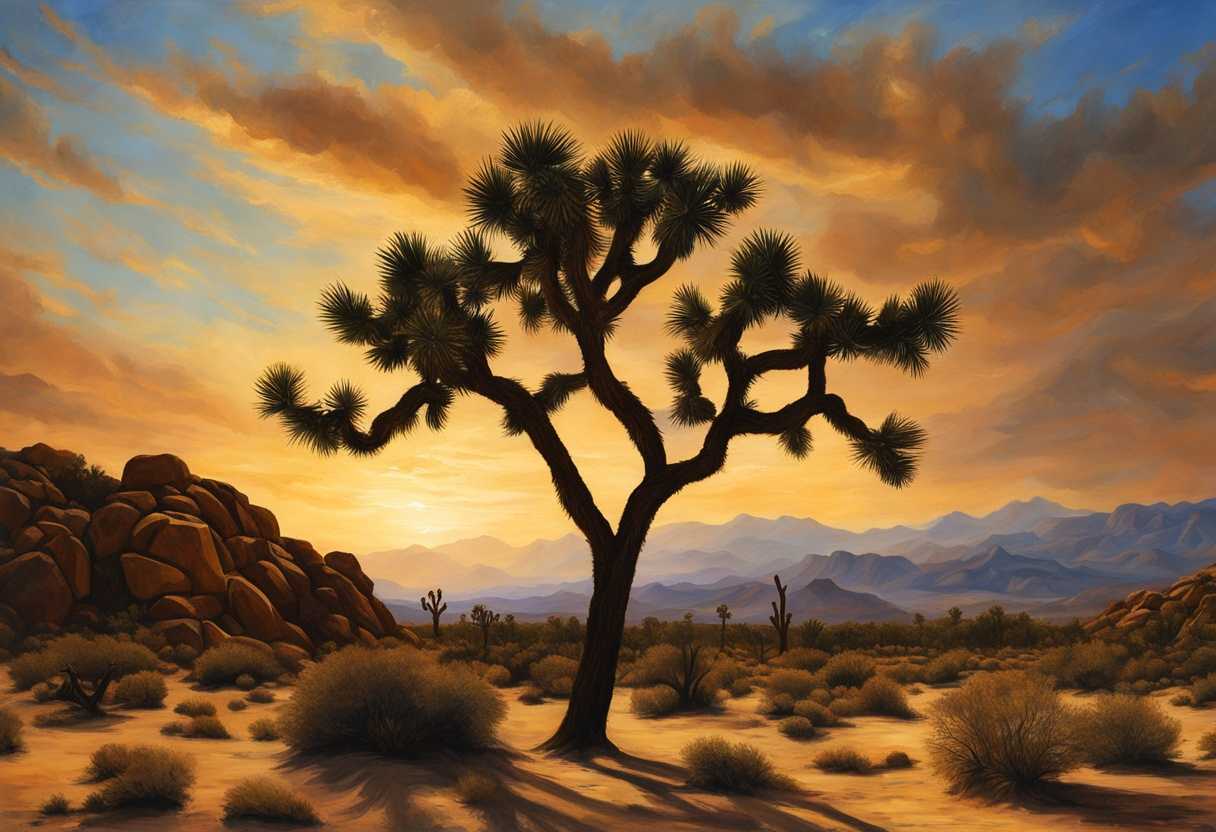
What the Bible Says About the Joshua Tree: Symbolism and Meaning
The Joshua Tree is not explicitly mentioned in the Bible, but its name is derived from the biblical figure Joshua. Some interpret the tree’s unusual appearance as symbolic of God’s guidance and presence in the wilderness, akin to how Joshua led the Israelites into the Promised Land. Scripture 22 Then Moses made Israel set out…