
Category: Definitions
-

What the Bible Says About Headship: Understanding Its Meaning
In the Bible, headship refers to the leadership and authority within a relationship, often illustrated by the relationship between Christ and the Church (Ephesians 5:23) and between husbands and wives (1 Corinthians 11:3). It emphasizes a model of servant leadership, where the head is responsible for the well-being of those under their authority. Scripture 22…
-

What the Bible Says About the Meaning of Mold
In the Bible, mold often signifies impurity and decay, serving as a metaphor for sin and spiritual corruption. In Leviticus 13, mold is associated with the diagnosis of leprosy in fabrics and houses, indicating the need for purification and the seriousness of ritual cleanliness. Scripture 47 “If there is any garment of wool or linen…
-

What the Bible Says About the Full Meaning of NIV
The NIV (New International Version) Bible is a modern English translation that aims for a balance between word-for-word and thought-for-thought translation, making it accessible while maintaining fidelity to the original texts. It seeks to communicate the teachings and message of the Scriptures clearly and effectively for contemporary readers. Scripture 1 In the beginning, God created…
-
What the Bible Says About the Meaning of Using Gifts
In the Bible, spiritual gifts are seen as special abilities given by the Holy Spirit to believers for the purpose of building up the Church and serving others (1 Corinthians 12:4-11). They are intended to promote unity among believers and to empower them to carry out God’s work on Earth (Ephesians 4:11-13). Scripture Now concerning…
-

What the Bible Says About Syncretism: Understanding Its Meaning and Implications
In the Bible, syncretism refers to the blending of different religious beliefs and practices, often leading to the worship of Yahweh alongside other gods, which is condemned in scriptures like Exodus 20:3-5. This mixing of faiths undermines the exclusivity of worship that God requires from His followers. Scripture 29 “When the Lord your God cuts…
-
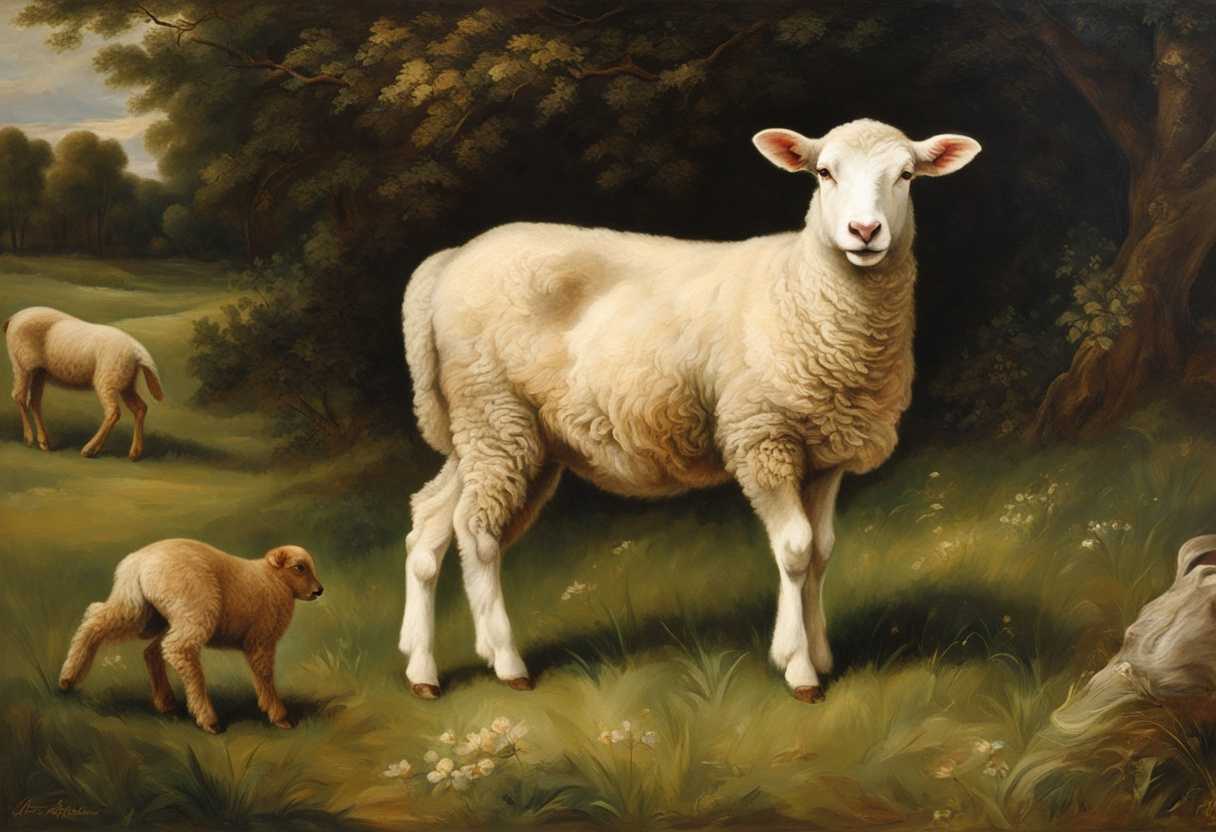
What the Bible Says About the Meaning of Wool
In the Bible, wool signifies purity and cleanliness, often associated with sacrifice and offerings, as seen in the use of unblemished lambs for sacrifices (Exodus 12:5). Additionally, wool represents comfort and protection, as in the Good Shepherd imagery where Jesus is depicted caring for his sheep (John 10:11). Scripture 19 “You shall keep my statutes.…
-

What the Bible Says About the Rod of Correction
The “rod of correction” in the Bible symbolizes discipline and guidance, often associated with parental authority aimed at instructing and correcting a child’s behavior (Proverbs 13:24). It represents the necessity of correction for growth and moral development, emphasizing that loving discipline is essential for nurturing wisdom and character. Scripture 24 Whoever spares the rod hates…
-

What the Bible Says About the Definition of Almah
In the Bible, “almah” is a Hebrew term that generally refers to a young woman of marriageable age, often implying virginity. The most notable use is in Isaiah 7:14, where it is interpreted as a sign of the Messiah’s birth. Scripture 43 Behold, I am standing by the spring of water. Let the virgin who…
-

What the Bible Says: A Simple Definition of Faith
The Bible is a sacred text in Christianity and Judaism, comprising the Old Testament (Hebrew Scriptures) and the New Testament (Christian Scriptures) that contains religious teachings, historical accounts, poetry, and prophecies. It serves as a guide for faith, morality, and spiritual practice for millions of believers. Scripture 1 In the beginning, God created the heavens…
-

What the Bible Says About a Pure Heart
In the Bible, a pure heart is characterized by sincerity, innocence, and a deep commitment to righteousness, reflecting an inner state free from deceit and sin. Jesus reinforces this notion in Matthew 5:8, stating, “Blessed are the pure in heart, for they shall see God,” indicating the spiritual clarity and divine connection that come from…