
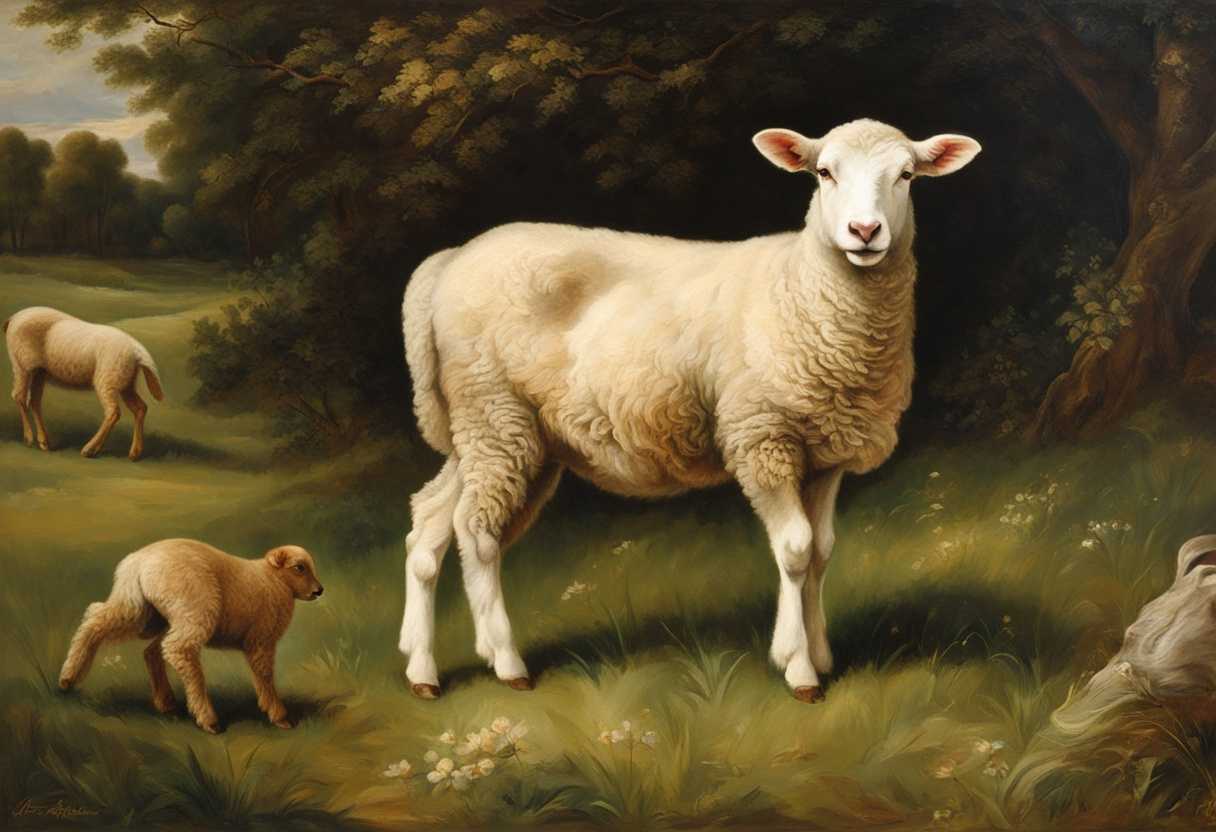
In the Bible, wool signifies purity and cleanliness, often associated with sacrifice and offerings, as seen in the use of unblemished lambs for sacrifices (Exodus 12:5). Additionally, wool represents comfort and protection, as in the Good Shepherd imagery where Jesus is depicted caring for his sheep (John 10:11).
Scripture
19 “You shall keep my statutes. You shall not let your cattle breed with a different kind. You shall not sow your field with two kinds of seed, nor shall you wear a garment of cloth made of two kinds of material.
Biblical Significance of Wool
Wool holds profound significance in the Bible, symbolizing themes of purity, sacrifice, and divine care. The requirement for sacrificial animals to be unblemished, as prescribed in Exodus 12:5, underscores the connection between wool and the concept of perfection. The lamb’s wool represents not just the physical purity of the offering but serves as a metaphor for spiritual cleanliness and the necessity of sincere devotion in worship. This underlying meaning can also be linked to the idea of atonement, where the unblemished lamb represents Christ, the “Lamb of God” (John 1:29), who offers salvation through His perfect sacrifice, reinforcing the notion of wool as a symbol of redemption and purity.
Furthermore, wool embodies comfort and protection, especially illustrated in the image of the Good Shepherd in John 10:11. In this metaphor, Jesus identifies with both the caretaker and the ultimate source of safety for His followers, much like a shepherd provides warmth and security through his sheep’s wool. The lush wool coat signifies God’s provision for His people, offering not just physical warmth but also spiritual nurturing. This representation extends to Biblical references of God’s care, emphasizing that believers are enveloped in His love and protection, akin to how wool covers and protects the sheep from harsh environments. Thus, wool in the Bible is intricately woven into the narratives of purity, sacrifice, and divine guardianship, encapsulating the holistic relationship between God and His creation.
In addition to its associations with purity and protection, wool also serves as a symbol of community, craftsmanship, and diligence within the Biblical narrative. In Proverbs 31, the depiction of the virtuous woman emphasizes her industriousness in making clothing from wool. This portrayal highlights the value of hard work and resourcefulness, suggesting that the act of weaving and creating garments from wool is not only a practical task but also a reflection of a life lived in service to one’s family and community. The ability to provide for others through the fruits of labor underscores the importance of stewardship and caring for one another, reinforcing the notion that wool serves as more than just a physical commodity, but rather as a vehicle for love and communal bonding.
Moreover, wool is featured in the idea of transformation and renewal. In Isaiah 1:18, the imagery of being made “white as snow” is often associated with cleansing, drawing parallels to the natural characteristics of clean, white wool. This transformation signifies hope, redemption, and an invitation for sinners to return to God for healing and restoration. Just as wool can be sheared and re-purposed, so too can a person’s life be reshaped through repentance and divine grace. This theme of renewal and the capacity for new beginnings emphasizes the potential each individual holds for change and the refreshing presence of God in the journey of faith. Consequently, wool becomes not only an emblem of physical warmth and comfort but also an enduring representation of the transformative power of God’s love and mercy within the believer’s life.
Symbol of Purity and Sacrifice
Wool is often associated with purity and the concept of sacrifice in biblical texts. The imagery of a lamb, which is typically covered in wool, is frequently used to represent innocence and the idea of atonement. This symbolism extends to the notion of being cleansed from sin, as wool is seen as a material that can be made white, representing the purification of the soul. The sacrificial lamb, with its soft and pure wool, embodies the ultimate sacrifice for the sake of redemption.
Representation of Comfort and Care
Wool also signifies comfort and care, reflecting the nurturing aspects of God’s relationship with His people. The softness and warmth of wool can be seen as a metaphor for the protection and guidance provided by God. Just as a shepherd tends to his flock, ensuring their safety and well-being, the wool symbolizes the loving care that God extends to His followers. This connection emphasizes the themes of trust and reliance on divine providence.
Sign of Abundance and Blessing
In biblical contexts, wool can represent abundance and the blessings of prosperity. The presence of sheep and the production of wool are often associated with agricultural wealth and the sustenance of a community. This connection highlights the importance of livestock in biblical society, where wool signifies not only material wealth but also the blessings that come from living in accordance with God’s will. The abundance of wool serves as a reminder of God’s provision and the rewards of faithfulness.
How to Embrace Divine Principles for a Better Christian Life
Embracing divine principles is a transformative journey that can profoundly enhance your Christian life. Start by immersing yourself in Scripture, allowing the Word of God to guide your thoughts and actions; it’s in the pages of the Bible that we find the heart of God’s will for us. Make prayer a daily practice, not just as a ritual but as a heartfelt conversation with your Creator, seeking His guidance and strength. Remember to cultivate love and compassion in your interactions with others, reflecting Christ’s love in every encounter. Surround yourself with a community of believers who can encourage and challenge you in your faith, and don’t shy away from serving those in need, as acts of kindness are a powerful expression of God’s love. By intentionally aligning your life with these divine principles, you’ll not only grow closer to God but also become a beacon of His light in the world.
Bible References to the Significance of Wool:
Deuteronomy 22:11-11: 11 You shall not wear cloth of wool and linen mixed together.
Judges 6:36-40: 36 Then Gideon said to God, “If you will save Israel by my hand, as you have said,
37 behold, I am laying a fleece of wool on the threshing floor. If there is dew on the fleece alone, and it is dry on all the ground, then I shall know that you will save Israel by my hand, as you have said.”
38 And it was so. When he rose early next morning and squeezed the fleece, he wrung enough dew from the fleece to fill a bowl with water.
39 Then Gideon said to God, “Let not your anger burn against me; let me speak just once more. Please let me test just once more with the fleece. Please let it be dry on the fleece only, and on all the ground let there be dew.”
40 So God did so that night; and it was dry on the fleece only, and on all the ground there was dew.
2 Kings 3:4-4: 4 Now Mesha king of Moab was a sheep breeder, and he had to deliver to the king of Israel 100,000 lambs and the wool of 100,000 rams.
Proverbs 31:13-13: 13 She seeks wool and flax, and works with willing hands.
Isaiah 1:18-18: 18 “Come now, let us reason together, says the Lord: though your sins are like scarlet, they shall be as white as snow; though they are red like crimson, they shall become like wool.
Ezekiel 27:18-18: 18 Damascus was your merchant in the multitude of the goods of your making, for the abundance of all wealth, in wine of Helbon and wool of Sahar.
Daniel 7:9-9: 9 “As I looked, thrones were placed, and the Ancient of Days took his seat; his clothing was white as snow, and the hair of his head like pure wool; his throne was fiery flames; its wheels were burning fire.
Revelation 1:14-14: 14 The hairs of his head were white, like white wool, like snow. His eyes were like a flame of fire,

Rev. François Dupont is a dedicated church minister with a wealth of experience in serving spiritual communities. With a calm and serene demeanor, he has been devoted to sharing the message of love, compassion, and tolerance for over two decades. Through his thoughtful sermons, compassionate counseling, and unwavering support, Rev. Dupont has touched the lives of countless individuals, allowing them to find solace and strength during difficult times. His serene presence and deep understanding of the human condition make him a trusted guide for those seeking spiritual nourishment and guidance.