
Category: Definitions
-

What the Bible Says About Contradiction: Understanding Its Definition and Context
A biblical contradiction refers to instances where two or more passages in the Bible appear to be in conflict or inconsistent with each other on certain aspects of narrative, theology, or doctrine. Scholars and theologians often debate these contradictions, seeking to reconcile differing accounts or interpretations within the text. Scripture 4 Answer not a fool…
-

What the Bible Says About the Divine Definition
In the Bible, “divine” refers to anything pertaining to God or a deity, embodying His nature, attributes, and authority. It often signifies holiness, purity, and the ultimate power and wisdom that belong to God alone. Scripture 1 In the beginning, God created the heavens and the earth. 2 The earth was without form and void,…
-

What the Bible Says About Curious Arts
The term “Curious Arts” refers to practices involving magic or occult knowledge, as mentioned in Acts 19:19, where individuals burned their books of sorcery after converting to Christianity. This indicates a rejection of such practices in favor of faith in God. Scripture 18 Also many of those who were now believers came, confessing and divulging…
-

What the Bible Says About Parousia: Understanding Its Definition and Significance
Parousia, in the Bible, refers to the “second coming” or the anticipated return of Jesus Christ to Earth, as described in various New Testament passages, notably in Matthew 24:27 and 1 Thessalonians 4:15-17. It signifies the fulfillment of God’s promise to restore and judge the world. Scripture 27 For as the lightning comes from the…
-

What the Bible Says About Eternal Security: Definition and Insights
Eternal security, often referred to as “once saved, always saved,” is the belief that once a person has truly accepted Christ as their Savior, they are assured of their salvation and cannot lose it. This doctrine is supported by verses such as John 10:28-29, which emphasizes that no one can snatch the believer out of…
-

What the Bible Says About the Meaning of Earthquakes
In the Bible, earthquakes often symbolize divine judgment or the presence of God, underscoring His power and authority (e.g., Isaiah 29:6, Matthew 24:7). They serve as a reminder of the fragility of the earth and the need for repentance and humility before God. Scripture 50 And Jesus cried out again with a loud voice and…
-

What the Bible Says About the Definition of Gospel
In the KJV Bible, the term “gospel” refers to the “good news” of Jesus Christ’s life, death, and resurrection, which brings salvation to humanity (Romans 1:16). It encompasses the message of God’s grace and the fulfillment of His promises through faith in Christ. Scripture 23 And he went throughout all Galilee, teaching in their synagogues…
-

What the Bible Says About Stripes: Understanding Their Meaning
In the Bible, “stripes” often refers to the wounds or marks inflicted on a person as a result of punishment or suffering. It is notably used in Isaiah 53:5, which states that by His stripes, we are healed, symbolizing the suffering of Jesus and its redemptive power for humanity. Scripture 4 Surely he has borne…
-
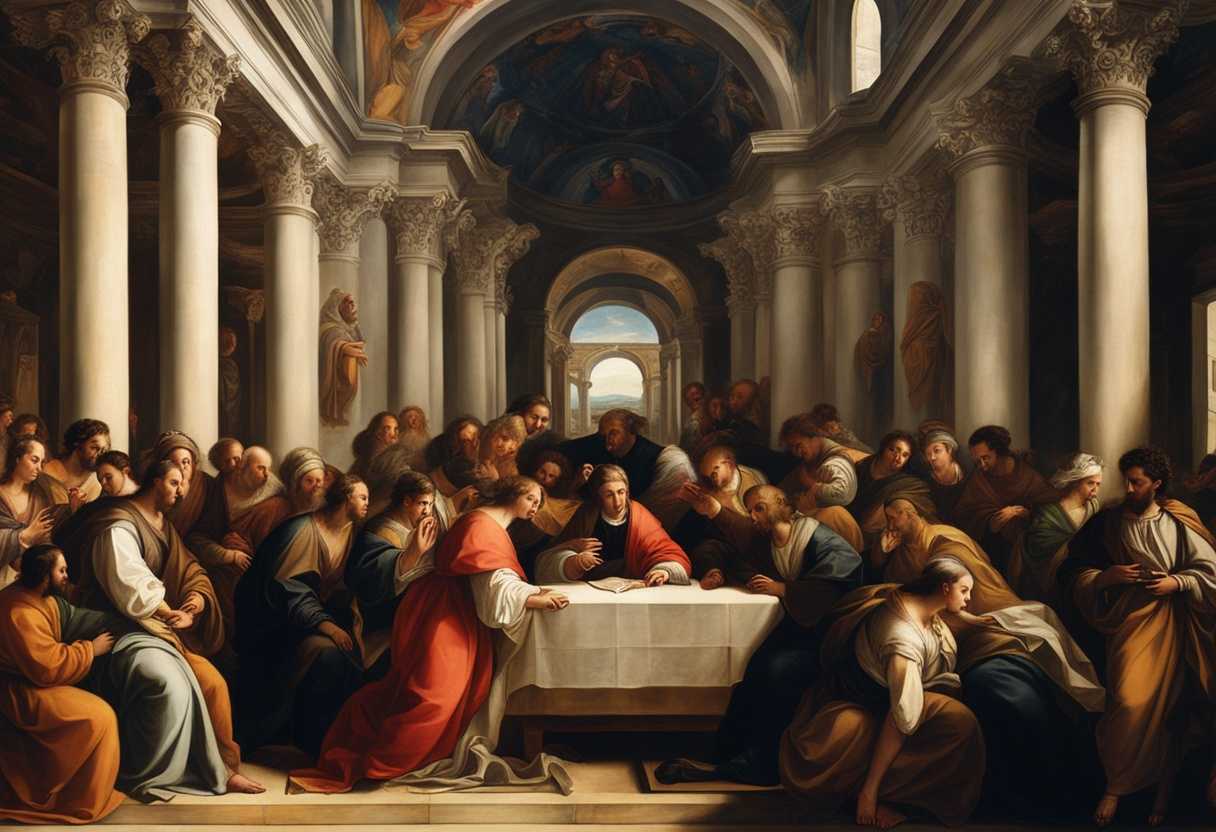
What the Bible Says About the Layperson: Understanding Roles in Faith
In the Bible, a layperson generally refers to individuals who are not part of the clergy or religious leadership but are members of the broader faith community. This term highlights the role of ordinary believers in contributing to the church and living out their faith in everyday life, as seen in passages that emphasize the…
-

What the Bible Says About Gentleness: A KJV Perspective
In the Bible, gentleness is often associated with a spirit of humility and consideration for others. It is highlighted as one of the fruits of the Spirit in Galatians 5:23, emphasizing a demeanor that is kind and mild, reflecting Christ-like characteristics. Scripture 22 But the fruit of the Spirit is love, joy, peace, patience, kindness,…