
Category: Definitions
-

What the Bible Says About Serving Many Masters
In the Bible, particularly in James 3:1, “many masters” refers to individuals who teach or lead others in spiritual matters. The verse warns that those who take on this role will be judged more strictly due to the greater responsibility associated with teaching others. Scripture 1 Not many of you should become teachers, my brothers,…
-

What the Bible Says About the Pool of Siloam: Meaning and Significance
The Pool of Siloam, mentioned in John 9:1-11, is a significant site in Jerusalem where Jesus healed a man born blind, symbolizing spiritual healing and revelation. Its name means “sent,” reflecting the idea of being sent forth into a new life or understanding. Scripture 2 And his disciples asked him, “Rabbi, who sinned, this man…
-

What the Bible Says About Being Slaves of the Law
“Slaves of the law” refers to individuals who are bound by the requirements and penalties of the Mosaic Law, often highlighting the burden of trying to achieve righteousness through adherence to the law rather than through faith. In Galatians 4:21-31, this concept is contrasted with the freedom believers have in Christ, emphasizing that faith, rather…
-

What the Bible Says About the Intercessor: Understanding Its Biblical Meaning
In the Bible, an intercessor is someone who stands in the gap to pray and advocate on behalf of others, seeking God’s mercy and intervention. This role is exemplified by figures like Moses and Jesus, who intercede for the people before God. Scripture 11 But Moses implored the Lord his God and said, “O Lord,…
-

What the Bible Says About Meaning and Purpose
In the Bible, “yes” signifies affirmation and agreement with God’s will or commands. It reflects faith and commitment, as seen in instances where individuals respond affirmatively to God’s calling or promises. Scripture 33 “Again you have heard that it was said to those of old, ‘You shall not swear falsely, but shall perform to the…
-

What the Bible Says About the Meaning of “Anak”
In the Bible, “anak” refers to a giant or a member of the Anakim, a race of formidable giants mentioned in the Old Testament, particularly in Numbers 13:33. The term symbolizes fearsome opposition and obstacles faced by the Israelites as they entered the Promised Land. Scripture 22 They went up into the Negeb and came…
-

What the Bible Says About Ancient Meanings
Ancient biblical texts refer to the original writings and manuscripts of the Bible, which encompass a range of literary genres, including historical narratives, poetry, prophecy, and law. These texts provide insights into the religious beliefs, cultural practices, and historical context of the communities that produced them, and are fundamental to understanding Judeo-Christian theology and heritage.…
-
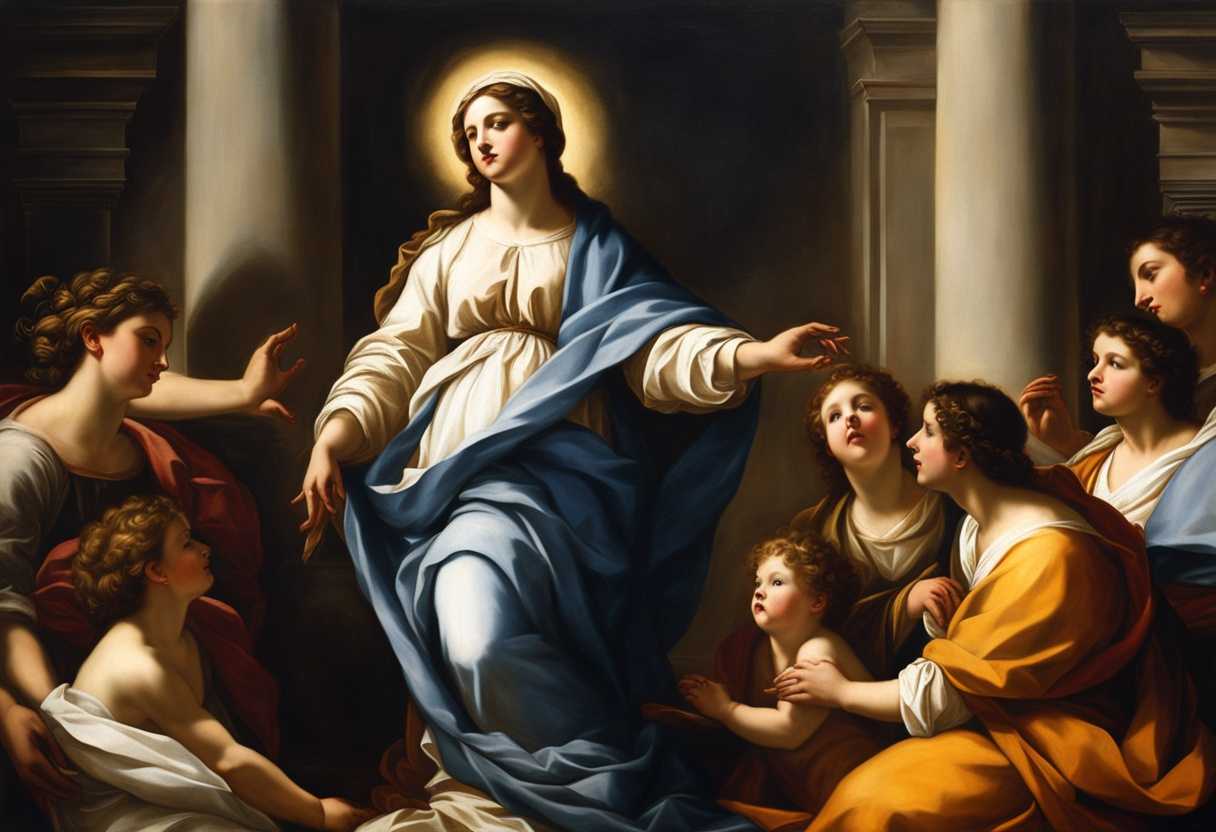
What the Bible Says About the Meaning of the Blessed One
In the Bible, the term “blessed one” often refers to individuals favored by God, as seen in references to Mary, the mother of Jesus, who is called “blessed among women” (Luke 1:42). It signifies a state of divine favor and happiness, reflecting God’s grace and the fulfillment of His promises. Scripture 1 Now the Lord…
-

What the Bible Says About the Abuse of Authority
The Bible warns against authority abuse by emphasizing that leaders are to serve with humility and integrity, reflecting God’s righteousness (James 3:1; Matthew 20:25-28). Acts of oppression or exploitation by those in power are condemned, as true authority is meant to protect and uplift others (Isaiah 10:1-2; Micah 6:8). Scripture 25 But Jesus called them…
-
What the Bible Says About the Meaning of Common
In the Bible, “common” often refers to something that is general, ordinary, or shared among people, such as in Acts 2:44 where early Christians had all things in common. It can also denote something that is unclean or defiled, as seen in Leviticus, indicating a condition that is not holy or separate. Scripture 9 The…