
Category: Definitions
-

What the Bible Says About Distinguishing Evil Thoughts from Good
Discernment of good and evil refers to the ability to distinguish right from wrong, which is often emphasized in biblical teachings as a gift from God. It is illustrated in Hebrews 5:14, where mature believers are described as having their senses trained to discern good and evil through practice. Scripture 12 For though by this…
-

What the Bible Says About the Grapes of Wrath: Understanding Its Meaning
The phrase “grapes of wrath” is found in Revelation 14:19-20, symbolizing the final judgment and God’s wrath against those who oppose Him, depicted as harvesting ripe grapes for destruction. It reflects the theme of divine justice and the consequences of sin. Scripture 1 Who is this who comes from Edom, in crimsoned garments from Bozrah,…
-

What the Bible Says: Definitions in ESV Strong’s Bible
The ESV Strong’s Bible is a version of the Bible that includes the Strong’s Concordance system, which assigns a unique number to each Greek and Hebrew word in the original texts. This allows for easier study and cross-referencing of biblical terms and their meanings. Scripture 1 In the beginning, God created the heavens and the…
-

What the Bible Says About Marah: Understanding Its Meaning and Significance
In the Bible, “Marah” refers to a place that means “bitter.” It is noted in Exodus 15:23, where the Israelites, after crossing the Red Sea, found bitter water there and complained, leading to God’s provision of sweet water. Scripture 22 Then Moses made Israel set out from the Red Sea, and they went into the…
-

What the Bible Says About Nation Against Nation: Exploring the Greek Meaning
In the Bible, the phrase “nation against nation” (Greek: ἔθνος ἐπὶ ἔθνος, ethnos epi ethnos) appears in contexts such as Matthew 24:7 and refers to conflicts or wars between distinct ethnic groups or political entities. It signifies widespread discord and strife that ultimately reflects the breakdown of social and divine order in the last days.…
-
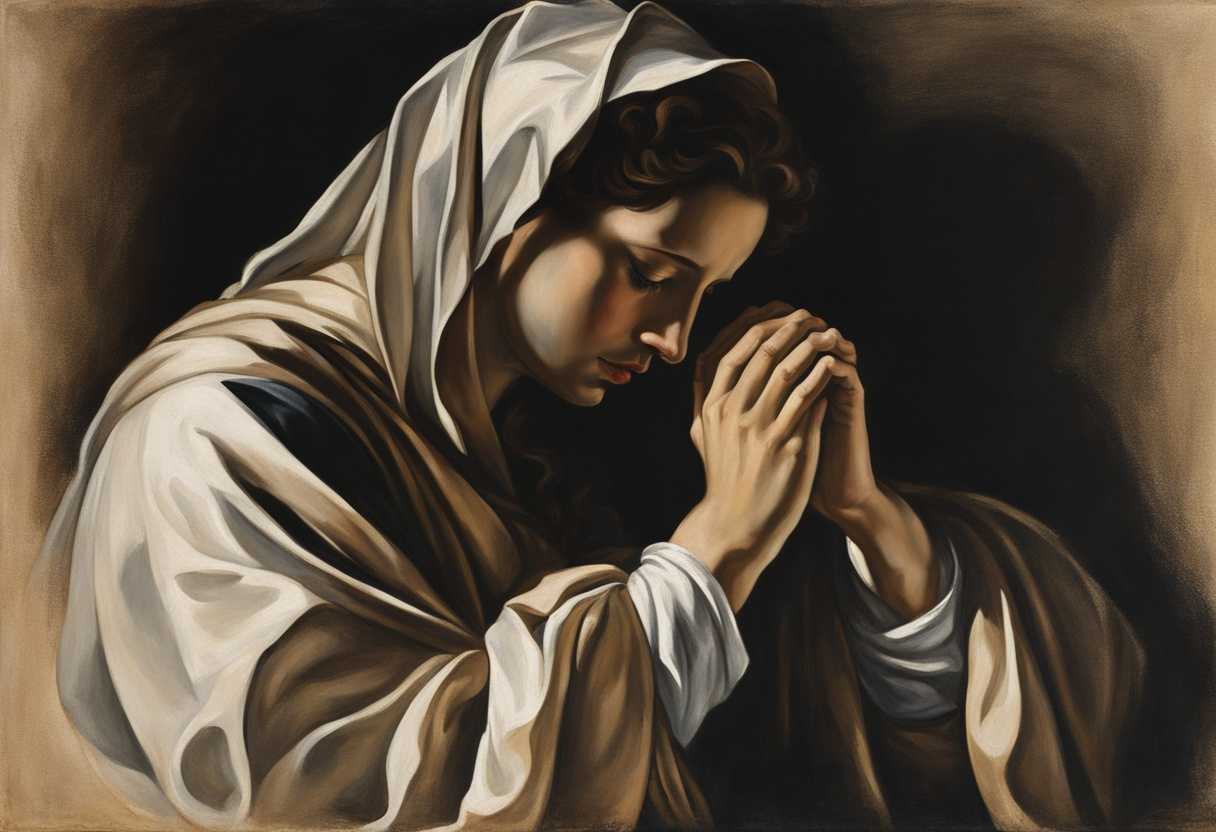
What the Bible Says About Being Ashamed
In the Bible, being ashamed often refers to a sense of guilt or remorse resulting from sin or failure, leading to a feeling of disgrace before God or others (Psalm 25:2). It can also signify a loss of honor or respect, particularly in the context of turning away from God or His commandments (Romans 1:16).…
-

What the Bible Says: John Lennox on the Literal Meaning of Scripture
John Lennox, a mathematician and Christian apologist, emphasizes that while the Bible contains literal truths, its interpretation also requires understanding literary genres, cultural context, and the intent of the authors. He advocates for a balanced approach that respects the text’s historical and theological dimensions while recognizing its spiritual truths. Scripture 1 In the beginning, God…
-

What the Bible Says About Wholeness: A Journey to Complete Restoration
In the Bible, wholeness often refers to a state of completeness and spiritual health, encompassing the physical, emotional, and spiritual dimensions of life. It implies living in harmony with God’s will, leading to peace and fulfillment, as seen in verses like John 10:10, where Jesus offers abundant life. Scripture 26 Then God said, “Let us…
-

What the Bible Says About Forgiveness in the KJV
In the KJV Bible, forgiveness is the act of letting go of resentment or anger towards someone for a wrong done, as exemplified in Matthew 6:14-15, where it states that if we forgive others their trespasses, God will also forgive us. Forgiveness reflects God’s mercy and grace, highlighting the importance of reconciliation and loving one’s…
-

What the Bible Says About Metaphysical Understanding
Metaphysical Bible interpretation involves seeking deeper, symbolic meanings behind the text of the Bible, often focusing on spiritual truths and universal principles rather than literal events. This approach emphasizes the inner understanding of scripture and its application to personal spiritual growth. Scripture 10 Jacob left Beersheba and went toward Haran. 11 And he came to…