
Category: Definitions
-

What the Bible Says About the Unholy: A Definition and Exploration
In the Bible, “unholy” refers to anything that is not set apart for God’s purposes, lacking in sanctity, or contrary to God’s nature and commandments. It denotes moral impurity, defilement, and a state of being in opposition to holiness. Scripture 10 You are to distinguish between the holy and the common, and between the unclean…
-

What the Bible Says About Being the Preeminent Authority
Biblical authority refers to the belief that the Bible is the inspired word of God and serves as the ultimate guide for faith, practice, and moral conduct. It signifies that Scripture holds the final say on theological matters and ethical decisions in the life of a believer. Scripture 16 All Scripture is breathed out by…
-

What the Bible Says About the Esoteric Meaning of Zion
In esoteric interpretation, Zion represents a spiritual realm or higher state of consciousness, symbolizing divine connection and enlightenment. It is often viewed as a metaphor for the soul’s journey toward unity with the divine, transcending physical and material concerns. Scripture 2 It shall come to pass in the latter days that the mountain of the…
-

What the Bible Says About Cheating: A Definition and Reflection
In the Bible, cheating can be understood as dishonesty or deceitful behavior that violates trust, often associated with adultery or betrayal, as seen in Exodus 20:14 (“You shall not commit adultery”) and Proverbs 11:1, which highlights the abomination of dishonest scales. Such actions are condemned as they contradict the principles of fidelity and integrity that…
-
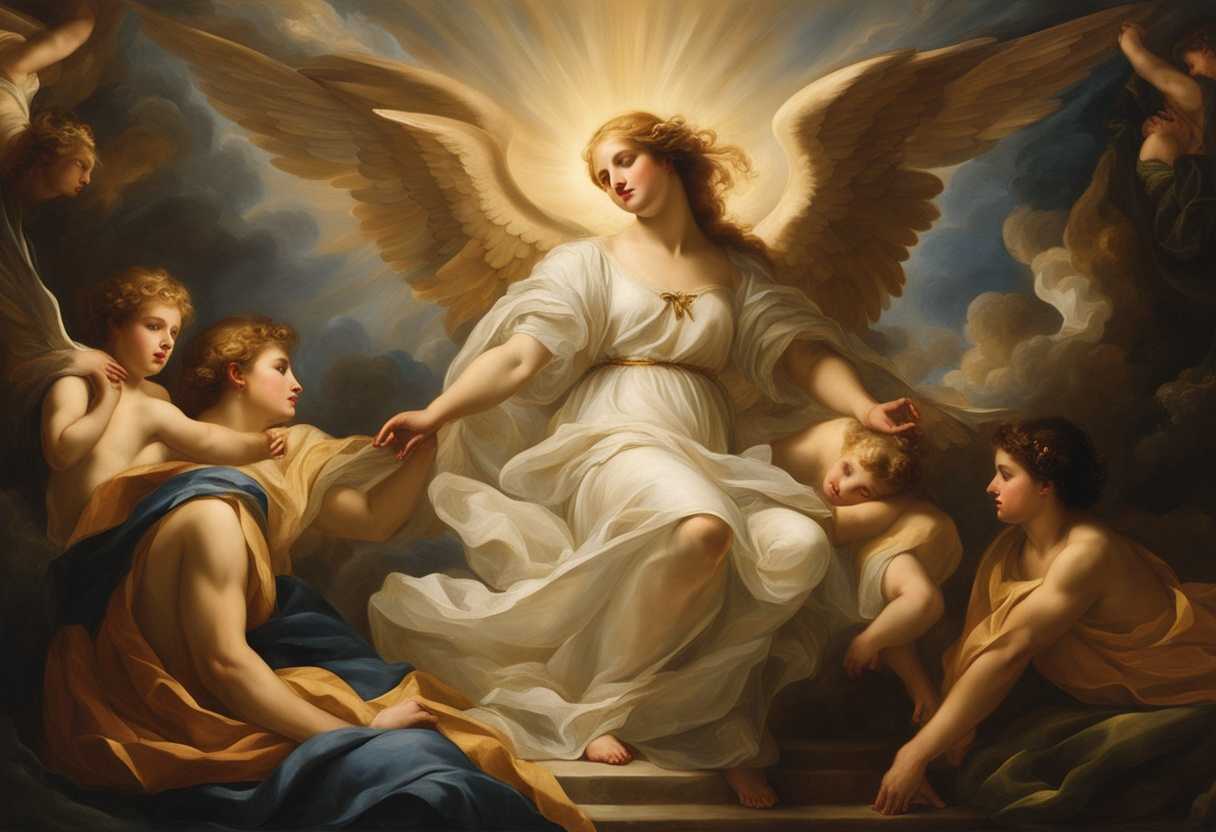
What the Bible Says About Healing: Names of Angels and Their Meanings
The Bible does not specifically mention “healing angels” by that term; however, angels are often depicted as messengers and agents of God’s will, including the acts of healing (e.g., in the account of the Pool of Bethesda in John 5:2-4). The concept implies divine assistance and intervention in times of physical or spiritual affliction, emphasizing…
-

What the Bible Says About Exorcism: Definitions and Insights
Exorcism in the Bible refers to the practice of driving out demons or evil spirits from individuals, as demonstrated in the New Testament through the works of Jesus and his disciples (e.g., Mark 1:34, Luke 8:2). It is seen as an act of spiritual authority in the name of God to restore individuals to wholeness…
-

What the Bible Says About Meekness: A KJV Perspective
In the King James Version Bible, meekness is characterized as a quality of humility and gentleness, often associated with a spirit of submission to God. It is described in Matthew 5:5 as a virtue that leads to inheriting the earth, reflecting a strength that is restrained rather than aggressive. Scripture 3 “Blessed are the poor…
-

What the Bible Says About Illicit Sexuality
Illicit sexuality in the Bible refers to sexual relations that violate God’s moral standards, including adultery, fornication, and homosexuality, as outlined in passages such as Exodus 20:14 (the commandment against adultery) and 1 Corinthians 6:9-10 (which lists behaviors deemed sinful). It emphasizes the importance of sexual purity and faithfulness within the bounds of marriage. Scripture…
-

What the Bible Says About the Meaning of Yoke
In the Bible, a yoke symbolizes a burden or control, often referring to the oppressive leadership or sin that binds individuals (e.g., Jeremiah 30:8). Additionally, it represents the partnership and shared responsibility in following Christ, as He invites believers to take His easy yoke and find rest (Matthew 11:29-30). Scripture 28 Come to me, all…
-

What the Bible Says About Moral Sense and Its Definition
In the Bible, moral sense refers to the inherent ability to discern right from wrong, guided by a conscience that aligns with God’s laws and teachings (Romans 2:14-15). It reflects the understanding of ethical principles as established by God’s commands and the nature of righteousness. Scripture 14 For when Gentiles, who do not have the…