
Category: Definitions
-
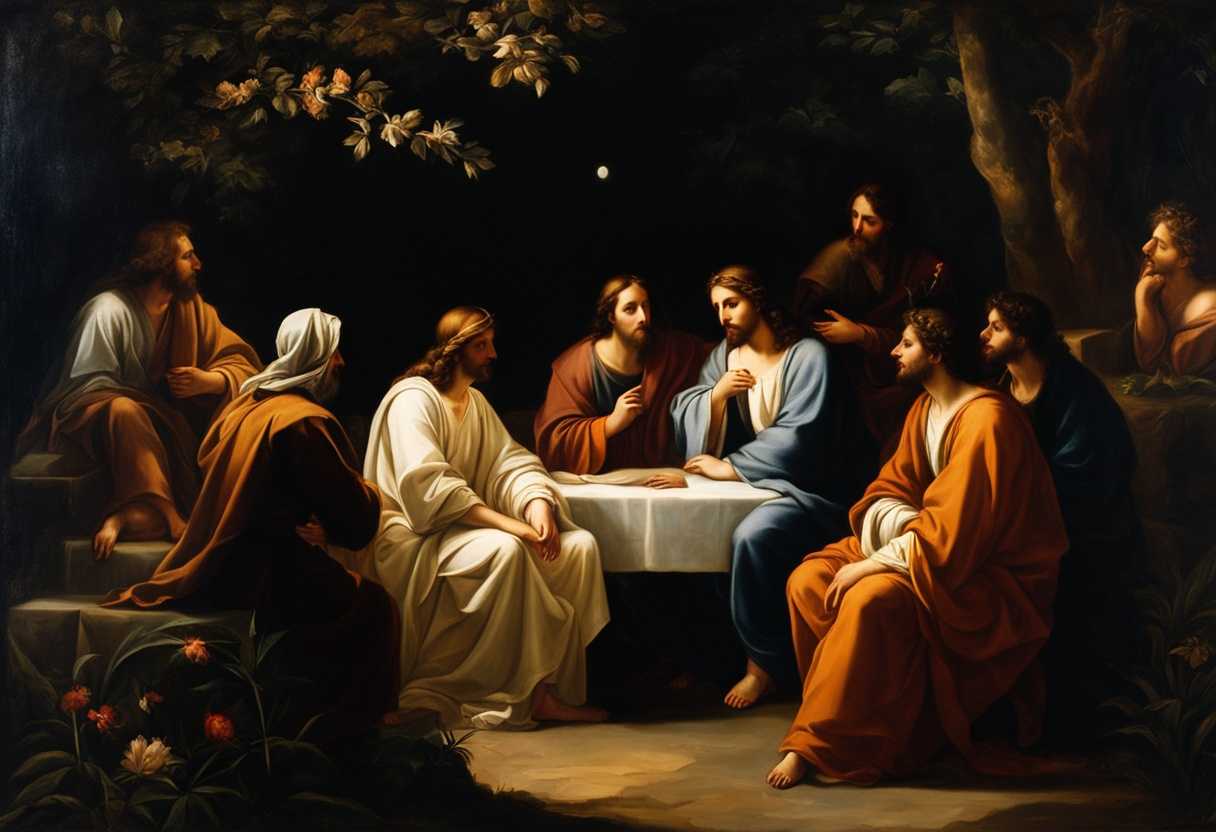
What the Bible Says About “The Flesh is Weak”
The phrase “the flesh is weak” originates from Matthew 26:41, where Jesus tells his disciples to “watch and pray” because “the spirit indeed is willing, but the flesh is weak.” This highlights the human tendency to succumb to temptation and fail in spiritual vigilance despite a desire to do what is right. Scripture 36 Then…
-

What the Bible Says About Desertion in Marriage
In the Bible, desertion in marriage refers to a situation where one spouse abandons the other, which can lead to the dissolution of the marital commitment. Specifically, 1 Corinthians 7:15 mentions that if an unbelieving partner leaves, the believing partner is not bound in such cases, indicating that abandonment can be a legitimate ground for…
-

What the Bible Says About Exhortation: Understanding Its Meaning and Purpose
In the Bible, exhortation refers to the act of urging or encouraging someone to take action or adhere to a certain belief or behavior, often rooted in moral or spiritual guidance. It emphasizes the importance of motivating and supporting others in their faith, as seen in passages like Romans 12:8 and 2 Timothy 4:2. Scripture…
-

What the Bible Says About Grace Alone
In the Bible, “grace alone” refers to the doctrine that salvation is a gift from God, received by faith, not earned by human efforts or good works (Ephesians 2:8-9). This concept emphasizes that it is God’s unmerited favor that redeems and reconciles believers to Him (Romans 3:24). Scripture 8 For by grace you have been…
-

What the Bible Says About the Pride of Jacob: A Catholic Perspective
In the Catholic Bible, Jacob’s pride can be seen in his initial cunning and deceitful actions, such as tricking his brother Esau into selling his birthright and deceiving their father Isaac to receive the blessing meant for Esau (Genesis 25:29-34; 27:1-29). This pride ultimately leads to conflict and estrangement, illustrating the complex human struggle with…
-

What the Bible Says About the Man of Lawlessness
The “man of lawlessness” is a figure described in 2 Thessalonians 2:3-4, often interpreted as an antagonist who opposes God, exalts himself above all that is worshiped, and leads others astray before the Second Coming of Christ. This term is associated with rebellion against God’s laws and authority. Scripture 3 Let no one deceive you…
-

What the Bible Says About the Meaning of Nazirites
Nazirites, in the Bible, are individuals who take a vow of separation to dedicate themselves to God, as outlined in Numbers 6:1-21. This vow often includes abstaining from wine, avoiding contact with the dead, and not cutting their hair, symbolizing their commitment to holiness and service. Scripture 1 And the Lord spoke to Moses, saying,…
-

What the Bible Says About Pharmakia: Understanding Its Definition and Implications
In the Bible, “pharmakia” is derived from the Greek word for sorcery or witchcraft, often associated with the use of drugs or potions for magical or harmful purposes. It appears in contexts that warn against idolatry and moral corruption, notably in Galatians 5:20 and Revelation 18:23, where it is linked to practices that lead people…
-

What the Bible Says About a Servant Serving God: Understanding Its Meaning
In the Bible, a servant serving God is defined as one who dedicates their life and actions to fulfill God’s will, often characterized by humility, obedience, and a commitment to helping others. This concept is exemplified in passages such as Romans 12:1, which encourages believers to offer themselves as living sacrifices, and in Mark 10:45,…
-

What the Bible Says About the Meaning of Books
In the Bible, the term “book” generally refers to a written text that conveys spiritual teachings, history, or prophetic messages, as seen in the individual books of the Old and New Testaments. Each book serves a unique purpose, such as law, poetry, prophecy, or instruction, contributing to the overall narrative of God’s relationship with humanity.…