
Category: Definitions
-

What the Bible Says About the Meaning of Abiud
Abiud is a name found in the New Testament, specifically in the genealogy of Jesus as recorded in Matthew 1:13. The name is of Hebrew origin, meaning “my father is majesty” or “God is father.” Scripture 13 and Zerubbabel the father of Abiud, and Abiud the father of Eliakim, and Eliakim the father of Azor,…
-

What the Bible Says About Fleeing
In the Bible, “flee” often signifies the act of running away from danger, sin, or temptation, demonstrating a desire for safety or purity. It conveys the urgency of escaping harmful situations or immoral behaviors, as seen in verses like 1 Corinthians 6:18, where believers are encouraged to “flee from sexual immorality.” Scripture 17 And as…
-

What the Bible Says About Antiochus Epiphanes IV: Understanding His Significance
Antiochus Epiphanes IV is a Hellenistic king of the Seleucid Empire mentioned in the Book of Daniel (specifically Daniel 8 and 11), known for his severe persecution of the Jewish people and the desecration of the Second Temple in Jerusalem. He is often seen as a foreshadowing of the Antichrist due to his tyrannical rule…
-

What the Bible Says About the Definition of “Wrest” in the KJV
In the King James Version (KJV) of the Bible, “wrest” refers to the act of twisting or distorting Scripture to misinterpret or misapply its meaning. This is often seen in 2 Peter 3:16, where it is stated that some wrest the letters of Paul to their own destruction. Scripture 15 And count the patience of…
-
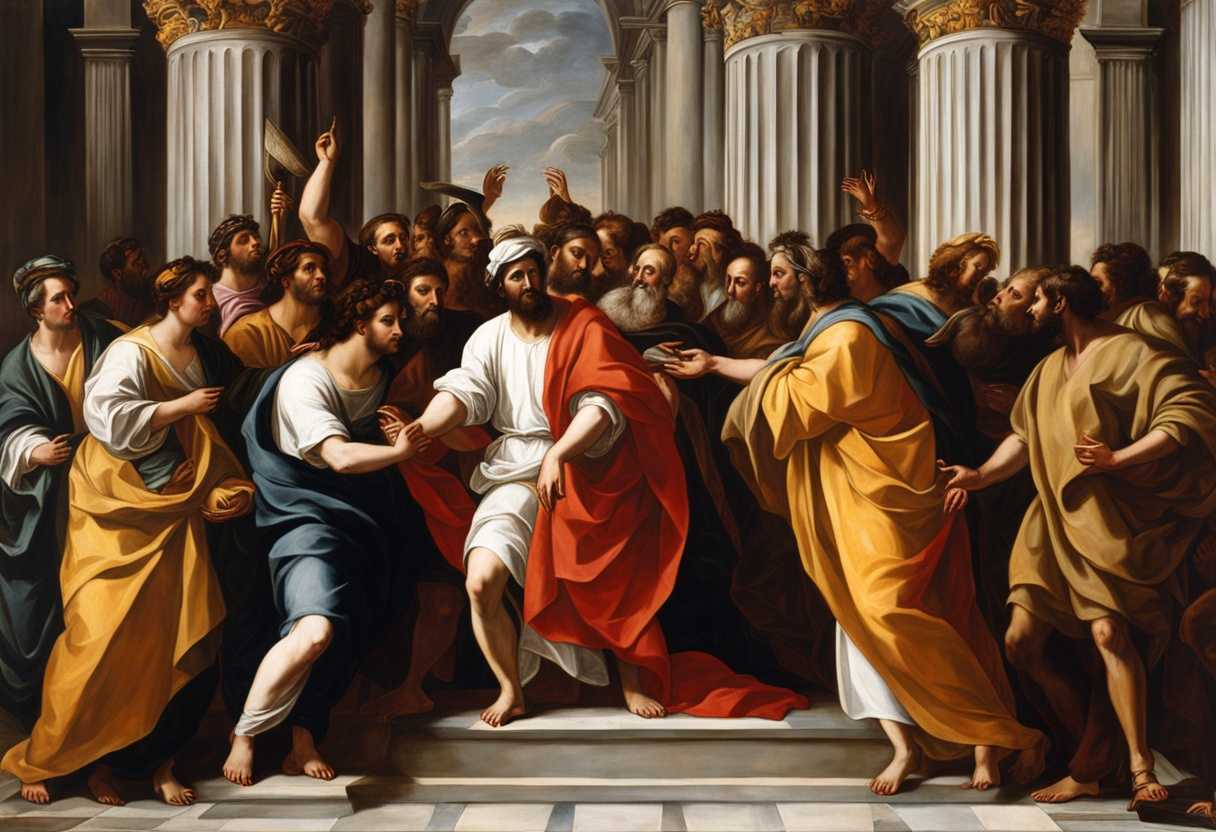
What the Bible Says About Crispus: Meaning and Significance
Crispus is mentioned in the New Testament as a synagogue leader in Corinth who converted to Christianity and was baptized by the Apostle Paul (Acts 18:8). His conversion signifies the spread of the Gospel beyond Jewish communities to a broader audience in the early Church. Scripture 7 And he left there and went to the…
-

What the Bible Says About Foxes
In the Bible, a fox often symbolizes cunningness or deceit. For example, in Luke 13:32, Jesus refers to Herod as a “fox,” highlighting his crafty and malicious nature. Scripture 15 Catch the foxes for us, the little foxes that spoil the vineyards, for our vineyards are in blossom. Song of Solomon 2:15 Biblical Significance of…
-

What the Bible Says About the Meaning of Elijah
In the Bible, the name Elijah means “My God is Yahweh.” Elijah is a prophet known for his fierce advocacy of monotheism in Israel and for performing miracles, including calling down fire from heaven and raising the dead. Scripture 1 Now Elijah the Tishbite, of Tishbe in Gilead, said to Ahab, “As the Lord, the…
-

What the Bible Says About Roes: Definition and Significance
In the Bible, “roes” refers to young deer or gazelles, often symbolizing grace and beauty. This term is mentioned in poetic contexts, such as in the Song of Solomon, highlighting the delicacy and agility of these animals. Scripture 1 I am a rose of Sharon, a lily of the valleys. 2 As a lily among…
-
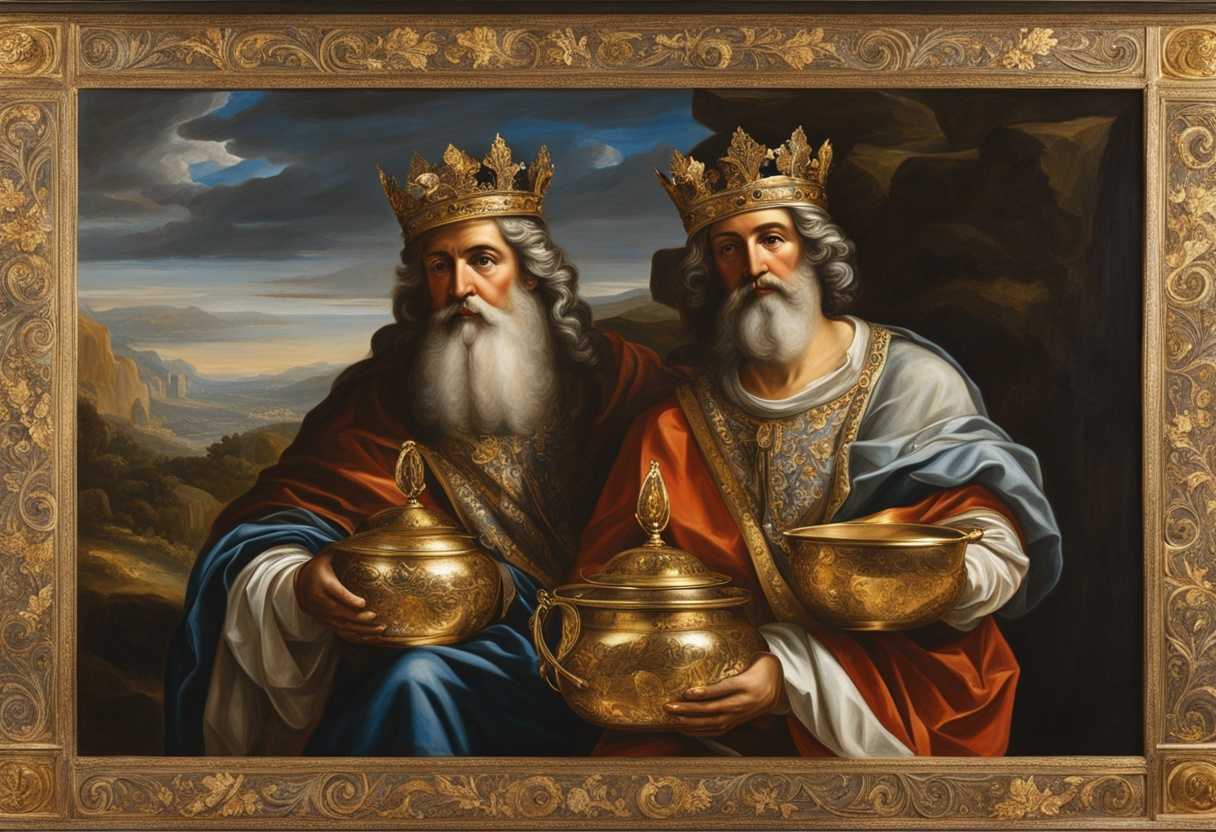
What the Bible Says About Heldai: Meaning and Significance
Heldai is a name mentioned in the Bible, specifically in Zechariah 6:10, where it refers to one of the individuals tasked with bringing silver and gold from the exiles in Babylon to make crowns for Joshua the high priest. The name Heldai itself is believed to mean “worldly” or “brass.” Scripture 15 The twelfth for…
-

What the Bible Says About the Rose of Sharon
The “Rose of Sharon” is a phrase found in the Bible, specifically in Song of Solomon 2:1, where it is typically interpreted as a symbol of beauty and love. It often represents the beloved in poetic imagery, highlighting purity and delight in the context of romance and nature. Scripture 1 I am a rose of…