
Category: Definitions
-

What the Bible Says About the Ewe Lamb: Symbolism and Meaning
In the Bible, an ewe lamb typically symbolizes innocence, purity, and sacrificial offerings. It is often associated with the concept of atonement, as seen in the Passover sacrifice (Exodus 12) and references to Jesus as the “Lamb of God” in the New Testament (John 1:29). Scripture 1 And the Lord sent Nathan to David. He…
-

What the Bible Says About the Meaning of Characteristics
Biblical characteristics refer to the qualities or traits exemplified by God, Jesus, or biblical figures that reflect godly behavior and values, such as love, mercy, humility, and integrity. These traits serve as moral and spiritual guidelines for individuals seeking to live according to biblical teachings. Scripture 22 But the fruit of the Spirit is love,…
-

What the Bible Says About Raisin Cakes: A Deeper Meaning
In the Bible, raisin cakes are often associated with offerings or provisions, symbolizing sweetness and abundance. They appear in contexts such as 1 Samuel 25:18 and 2 Samuel 16:1, where they are brought as gifts to honor or appease, reflecting hospitality and generosity. Scripture 19 And distributed among all the people, the whole multitude of…
-
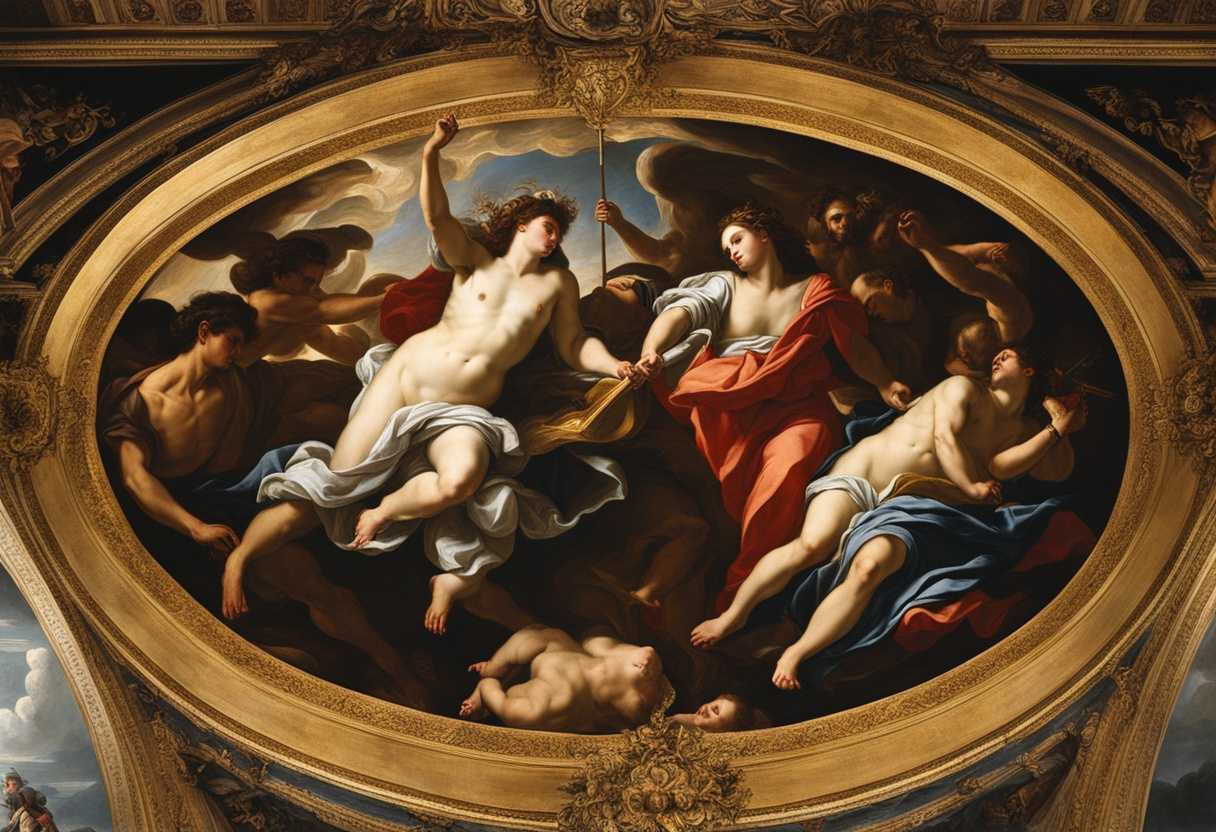
What the Bible Says About Force: A Definition and Exploration
In the Bible, “force” can refer to physical strength or power, but it often symbolizes divine authority or spiritual might, as seen in verses emphasizing God’s strength in creation and deliverance (e.g., Psalm 62:11). Additionally, it may denote human effort or determination, as seen in the context of labor or warfare (e.g., Joshua 1:6). Scripture…
-

What the Bible Says About the Meaning of Topaz
In the Bible, topaz is one of the precious stones mentioned in Exodus 28:17 and Revelation 21:20, symbolizing beauty and wealth. It is often associated with the high priest’s breastplate and represents the glory of God and the foundation of the heavenly Jerusalem. Scripture 17 You shall set in it four rows of stones. A…
-

What the Bible Says About Soundness: A Definition and Exploration
In the Bible, “soundness” refers to a state of being whole, healthy, or free from error. It is often associated with spiritual integrity, sound doctrine, and moral purity, as seen in passages like Proverbs 2:7 and 1 Timothy 1:10. Scripture 1 My son, if you receive my words and treasure up my commandments with you,…
-
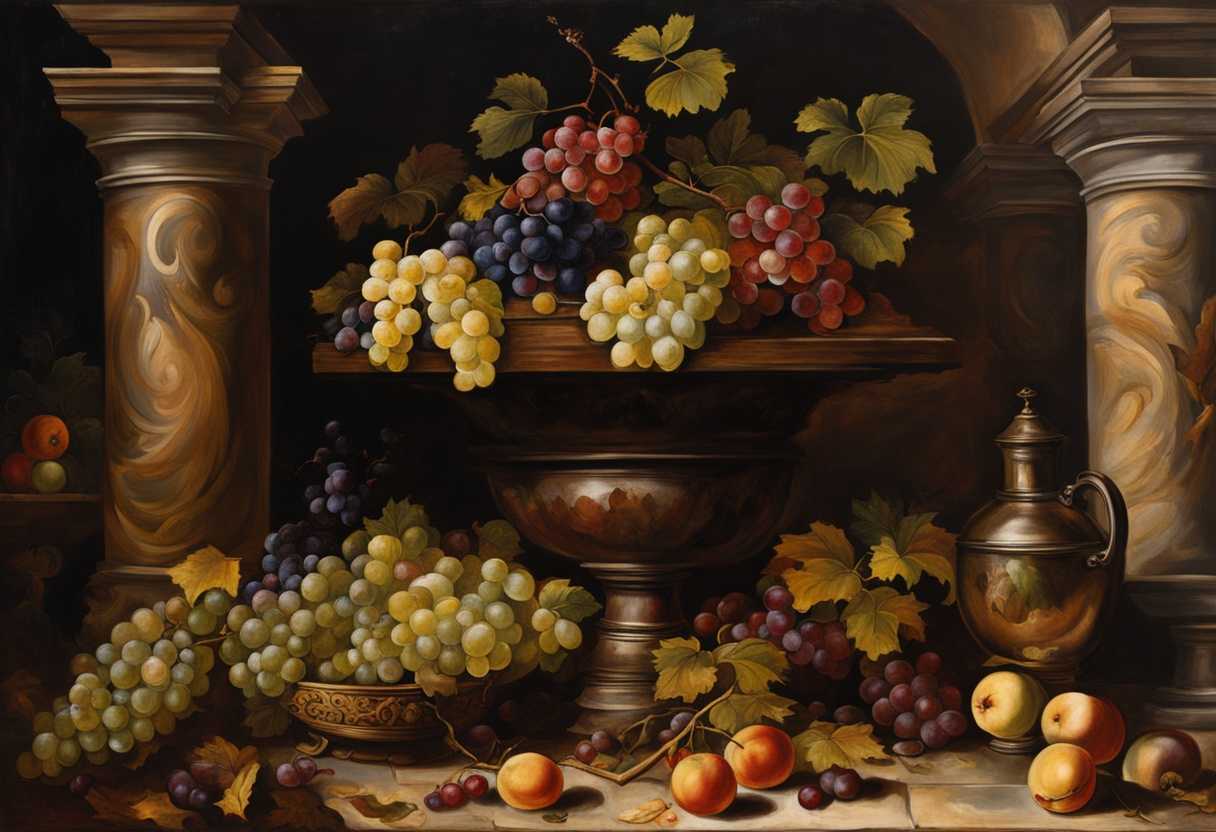
What the Bible Says About the Winepress: Symbolism and Meaning
In the Bible, a winepress symbolizes both a literal place for extracting juice from grapes and a metaphor for judgment and wrath. It often represents the process of divine judgment, as seen in passages like Isaiah 63:2-3, where God treads the winepress of His anger. Scripture 1 Who is this who comes from Edom, in…
-

What the Bible Says About Camp: Understanding Its Definition and Significance
In the Bible, “camp” often refers to a temporary dwelling or encampment for people, typically during their journeys, such as the Israelites in the wilderness (Numbers 1:52). It can symbolize a place of gathering, community, and divine presence, as seen in the arrangement of the tribes of Israel around the Tabernacle. Scripture 19 Then the…
-

What the Bible Says About the Tambourine: A Definition and Its Significance
In the Bible, the tambourine is often associated with joyous celebration and worship. It is mentioned in contexts such as praising God, notably in Exodus 15:20, where Miriam uses it to lead the women in dance and worship after the Israelites’ deliverance from Egypt. Scripture 20 Then Miriam the prophetess, the sister of Aaron, took…
-

What the Bible Says About Naught: Understanding Its Definition and Context
In the Bible, “naught” typically refers to something of no value or worthlessness. It is often used to indicate the futility of human efforts apart from God, emphasizing the idea of nothingness or emptiness in a spiritual or moral context. Scripture 6 And you know that with all my might I have served your father.…