
Category: Definitions
-

What the Bible Says About Boaz and Jachin: Symbolism and Meaning
Boaz means “strength” or “might,” representing a wealthy and influential figure in the Book of Ruth, who exemplifies kindness and redemption. Jachin means “He will establish” and is one of the two bronze pillars that stood at the entrance of Solomon’s Temple, symbolizing stability and God’s presence. Scripture 15 He cast two pillars of bronze.…
-
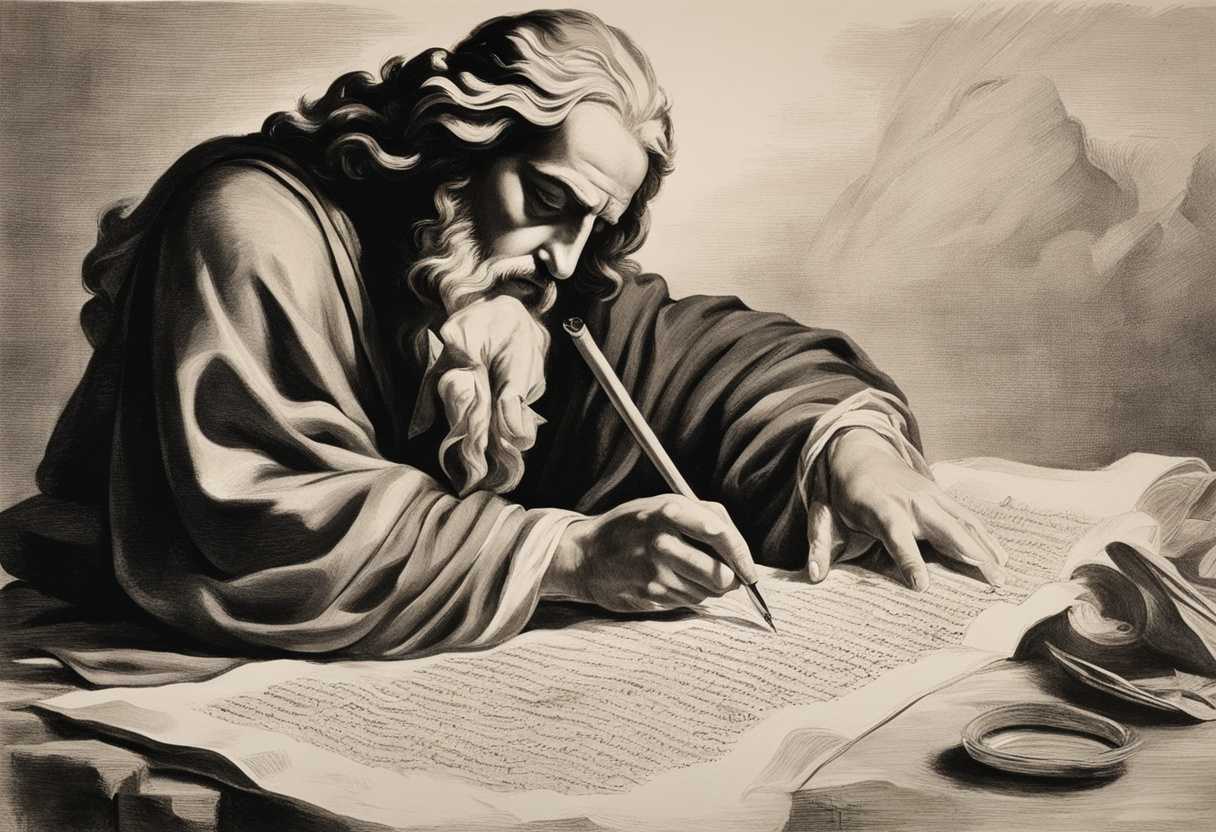
What the Bible Says About Writing
In the Bible, “write” often signifies the act of recording important messages, laws, or events, as seen in the scriptures where God commands Moses to write the law (Exodus 34:27). It can also symbolize the documentation of one’s faith or testimony, emphasizing the importance of preserving spiritual truths for future generations. Scripture 14 Then the…
-

What the Bible Says About the Meaning of Efrain
Ephraim, in the Bible, refers to one of the twelve tribes of Israel, named after Joseph’s second son. The name itself means “fruitful” or “double fruit,” signifying blessing and prosperity. Scripture 50 Before the year of famine came, two sons were born to Joseph. 51 Joseph called the name of the firstborn Manasseh. “For,” he…
-

What the Bible Says About Animals
In the Bible, animals are created beings that God made on the fifth and sixth days of creation, as stated in Genesis 1:20-25. They are often viewed as part of God’s creation that should be treated with care and respect, as seen in Proverbs 12:10, which emphasizes the righteous care for animals. Scripture 20 And…
-

What the Bible Says About Guibor: Understanding Its Meaning and Significance
In the Bible, “Guibor” refers to a character mentioned in 1 Chronicles 11:22, where he is described as a valiant warrior and a member of King David’s mighty men. The name itself means “mighty” or “heroic,” highlighting strength and valor in the context of leadership and battle. Scripture 6 For to us a child is…
-

What the Bible Says About Famine
In the Bible, famine is often portrayed as a period of severe scarcity of food, representing not only physical deprivation but also spiritual desolation and divine judgment. It serves as a reminder of humanity’s dependence on God for sustenance and is frequently associated with calls to repentance and a return to faithfulness. Scripture 10 Now…
-

What the Bible Says About the Meaning of Isaiah’s Name
The name Isaiah means “Yahweh is salvation” or “the Lord saves.” It reflects the central theme of Isaiah’s prophetic message, which emphasizes God’s power to save and deliver His people. Scripture 10 Again the Lord spoke to Ahaz, 11 “Ask a sign of the Lord your God; let it be deep as Sheol or high…
-

What the Bible Says About “Lest”
In the Bible, “lest” is used to express caution or a warning against potential consequences, often introducing a reason for avoiding a particular action. It signifies the intention to prevent negative outcomes or to safeguard against danger. Scripture 3 but God said, ‘You shall not eat of the fruit of the tree that is in…
-

What the Bible Says About Jemuel: Meaning and Significance
In the Bible, Jemuel is a name that means “day of God” or “God’s day.” He is identified as one of the sons of Simeon, the second son of Jacob and Leah, as mentioned in Genesis 46:10 and 1 Chronicles 4:24. Scripture 8 Now these are the names of the descendants of Israel, who came…
-

What the Bible Says About Being Abased
In the Bible, “abased” refers to being humbled or brought low, often in the context of God’s action in reducing one’s pride or status (see Philippians 2:8). It signifies a state of humility or humiliation, emphasizing that God opposes the proud but gives grace to the humble (James 4:6). Scripture 7 but emptied himself, by…