
Category: Definitions
-

“What the Bible Says About the Head of Days”
“Ancient of Days” is a title used in the Book of Daniel (Daniel 7:9, 13, 22) to describe God, emphasizing His eternal nature, timelessness, and sovereignty over all creation. This imagery signifies God’s wisdom, authority, and the judgment He renders throughout history. Scripture 9 “As I looked, thrones were placed, and the Ancient of Days…
-

What the Bible Says About the Meaning of Animal Sacrifices
In the Bible, animal sacrifices symbolize atonement for sin, representing the idea that an innocent life is offered to restore the relationship between humans and God. These sacrifices were integral to the Old Testament law and prefigured the ultimate sacrifice of Jesus Christ, which provided complete redemption from sin. Scripture 1 In the beginning, God…
-

What the Bible Says About Being Blotted Out of the Book of Life
In the Bible, “blotted out” often refers to the act of erasing or removing one’s sins or transgressions, symbolizing forgiveness and the cancellation of guilt (Psalm 51:1-9; Acts 3:19). It can also denote the removal of one’s name from the Book of Life, signifying judgment or exclusion from salvation (Revelation 3:5). Scripture 32 Then Moses…
-

What the Bible Says About the Meaning of Life
Bible verses and passages are segments of Scripture that convey spiritual teachings, moral guidance, and historical narratives, often serving as a source of inspiration and reflection for believers. Their meanings can often be understood through context, literary style, and theological interpretation, emphasizing the message of God’s love, redemption, and instruction for living a faithful life.…
-

What the Bible Says About the Meaning of Conceived
In the Bible, “conceived” refers to the process of becoming pregnant or the initiation of life within the womb, often symbolizing the divine creation of life. It is frequently used in the context of significant births, such as that of Jesus (Matthew 1:20) or other biblical figures, highlighting the miraculous nature of God’s intervention in…
-

What the Bible Says About the Chaldeans: Definition and Significance
In the Bible, the term “Chaldean” often refers to the people of Chaldea, an ancient region in southern Mesopotamia. It is frequently associated with Babylon and its culture, and Chaldeans are mentioned in contexts relating to Babylonian royalty and astrology, as seen in the Book of Daniel. Scripture 27 Now these are the generations of…
-

What the Bible Says About the Meaning of Face
In the Bible, “face” often signifies presence, favor, or the manifestation of God’s glory. It can imply the notion of relationship and proximity, as in seeking God’s face for guidance or blessing (e.g., Psalm 27:8). Scripture 24 And Jacob was left alone. And a man wrestled with him until the breaking of the day. 25…
-
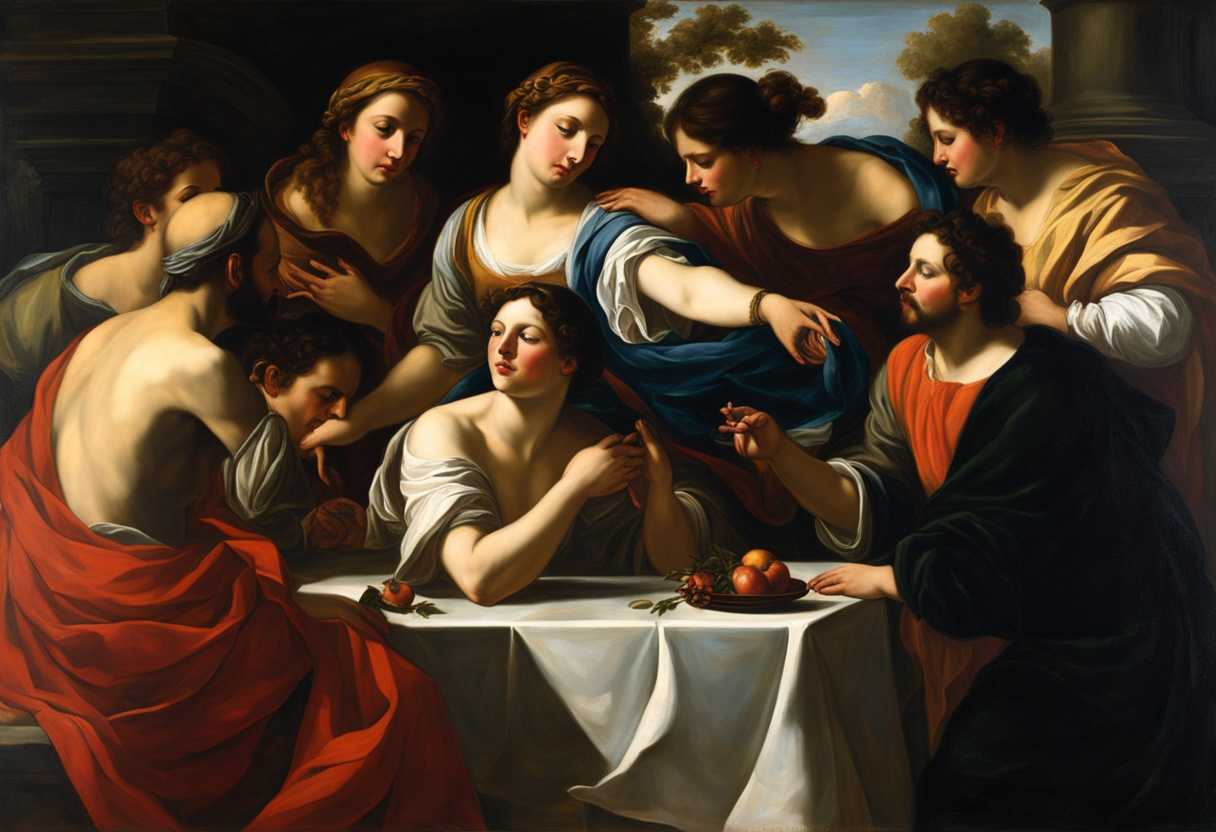
What the Bible Says About Criticism and Its Meaning
In the Bible, criticism often relates to the act of evaluating or judging others, which can be seen in passages like Matthew 7:1-5, where Jesus warns against hypocritical judgment. Constructive criticism can be encouraged when it aims to build others up (Ephesians 4:29), while unjust criticism can lead to strife and division (Proverbs 20:3). Scripture…
-

What the Bible Says About Erring: Understanding Its Definition and Implications
In the Bible, “erring” refers to straying from the truth or divine guidance, often in the context of sin or moral failure. It is depicted as wandering from one’s faith or committing transgressions against God’s commandments (James 5:20; Isaiah 53:6). Scripture 12 There is a way that seems right to a man, but its end…
-

What the Bible Says About Fundraising and Generosity
The Bible does not expressly use the term “fundraising,” but it emphasizes principles of generosity, stewardship, and communal support for the needy and the work of ministry. Passages such as 2 Corinthians 9:7 highlight the importance of giving willingly and cheerfully, while Exodus 25:2 discusses the Israelites bringing offerings to support the construction of the…