
Category: Definitions
-

What the Bible Says About Vicarious Atonement
In the Bible, “vicarious” often refers to the concept of one serving as a substitute for another, particularly in the context of Jesus Christ’s atoning sacrifice for humanity’s sins. This vicarious atonement signifies that Christ bore the punishment and sin of humanity, allowing believers to receive forgiveness and salvation through faith in Him. Scripture 4…
-

What the Bible Says About the Meaning of a Teacher
In the Bible, a “teacher” is often someone who imparts knowledge and wisdom, particularly in spiritual matters, guiding people in understanding God’s laws and truths (James 3:1). Jesus Himself is frequently referred to as a teacher, emphasizing the role of educating others in the ways of God (Matthew 23:8). Scripture 1 Not many of you…
-

What the Bible Says About the Meaning of the Neck
In the Bible, the neck often symbolizes submission, vulnerability, and strength. It can represent the bond between individuals, as seen in the concept of the “yoke” signifying partnership or servitude, and is sometimes used metaphorically to describe humility or rebellion against God’s authority. Scripture 38 Esau said to his father, “Have you but one blessing,…
-

What the Bible Says About Tradition: Understanding Its Definition and Significance
In the Bible, tradition often refers to the teachings or practices handed down from one generation to another, which can be either beneficial or detrimental. For instance, in Mark 7:8-9, Jesus critiques the Pharisees for elevating human traditions above God’s commandments. Scripture 1 Then Pharisees and scribes came to Jesus from Jerusalem and said, 2…
-

What the Bible Says About the Meaning of Tetelestai
“Tetelestai” is a Greek term meaning “It is finished,” expressed by Jesus on the cross (John 19:30). It signifies the completion of His mission to atone for humanity’s sins, indicating that salvation has been fully achieved through His sacrifice. Scripture 28 After this, Jesus, knowing that all was now finished, said (to fulfill the Scripture),…
-

What the Bible Says About Pardon: Understanding Forgiveness in Scripture
In the Bible, “pardon” refers to the act of forgiving someone for their sins or wrongdoings, allowing them to be restored in their relationship with God. It emphasizes God’s mercy and grace, as seen in passages such as Isaiah 55:7, which calls for the wicked to forsake their ways and seek the Lord for pardon.…
-

What the Bible Says About the Meaning of Flight
In the Bible, “flight” often symbolizes escape from danger or persecution, as seen in passages where individuals flee to avoid harm (e.g., Mary and Joseph’s flight to Egypt in Matthew 2:13-15). It can also represent spiritual liberation or the soul’s ascension towards God. Scripture 28 Have you not known? Have you not heard? The Lord…
-

What the Bible Says About Lustful Desires
In the Bible, lust is often viewed as an intense or inappropriate desire for something, particularly sexual desire that goes beyond the bounds of God’s intentions for relationships (Matthew 5:28). It is considered a sin when it leads to actions contrary to God’s commandments or promotes unfaithfulness (James 1:14-15). Scripture 27 “You have heard that…
-

What the Bible Says About the Meaning of the Tenth Month
The tenth month in the Bible is significant as it marks various events, including the month of Tevet in the Hebrew calendar, often associated with the fasting and remembrance of the calamities that befell Jerusalem (e.g., the destruction of the Temple). Additionally, it is noted in Ezekiel 24:1 regarding the siege of Jerusalem, highlighting its…
-
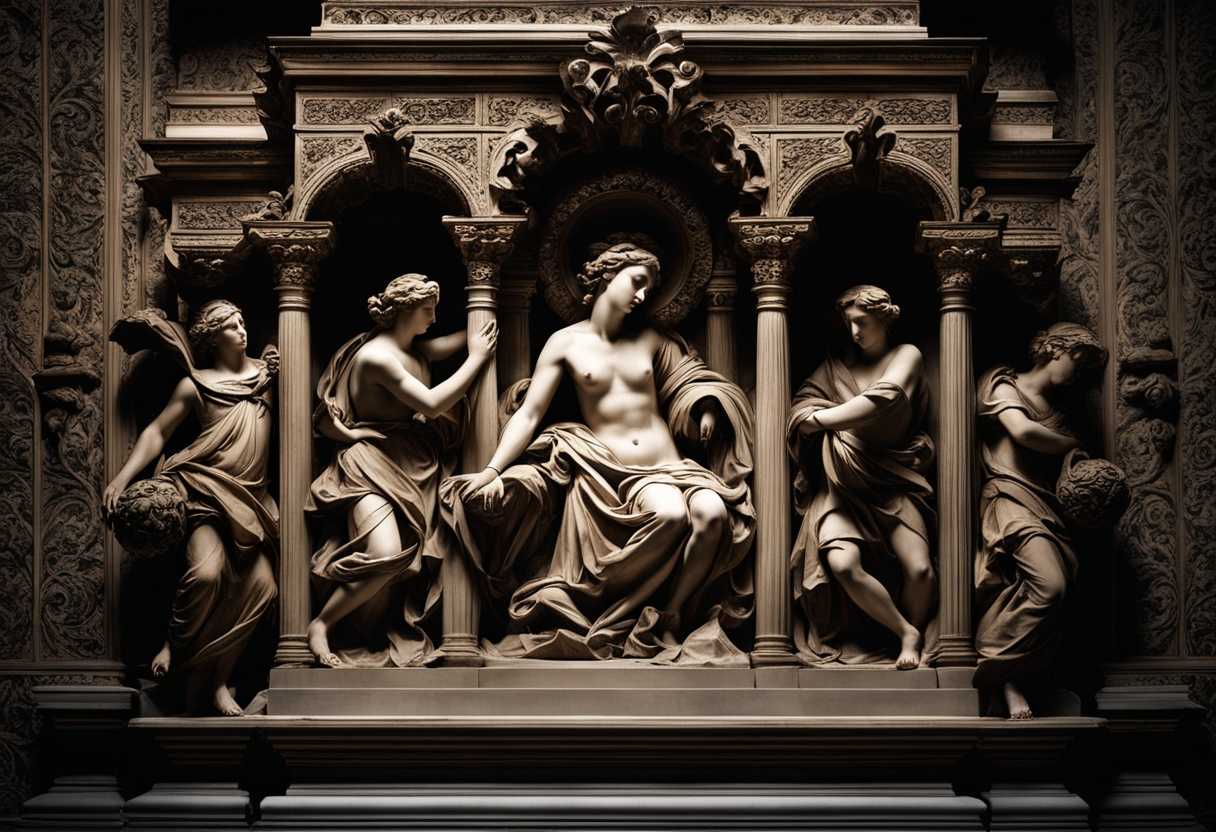
What the Bible Says About Graven Images: Understanding Their Meaning
A “graven image” in the Bible refers to a carved or sculpted representation of a deity or idol, which is often condemned as a violation of the commandment to worship only the true God (Exodus 20:4-5). It symbolizes misplaced faith and can lead people away from true worship. Scripture 4 “You shall not make for…