
Category: Definitions
-

What the Bible Says About Meditation: Understanding Its Meaning
In the Bible, meditation refers to the practice of reflecting deeply on God’s word and the truths of Scripture, often for the purpose of understanding and applying them in one’s life. It involves a contemplative engagement with God, as seen in passages like Psalm 1:2, which highlights the blessedness of delighting in and meditating on…
-

What the Bible Says About Lending: Understanding Its Definition and Principles
In the Bible, to “lend” often refers to the act of giving something temporarily to someone with the expectation of its return, emphasizing generosity and support for those in need (Exodus 22:25; Luke 6:34-35). It also includes a moral obligation to help the less fortunate without seeking profit (Deuteronomy 15:7-8). Scripture 7 If among you,…
-
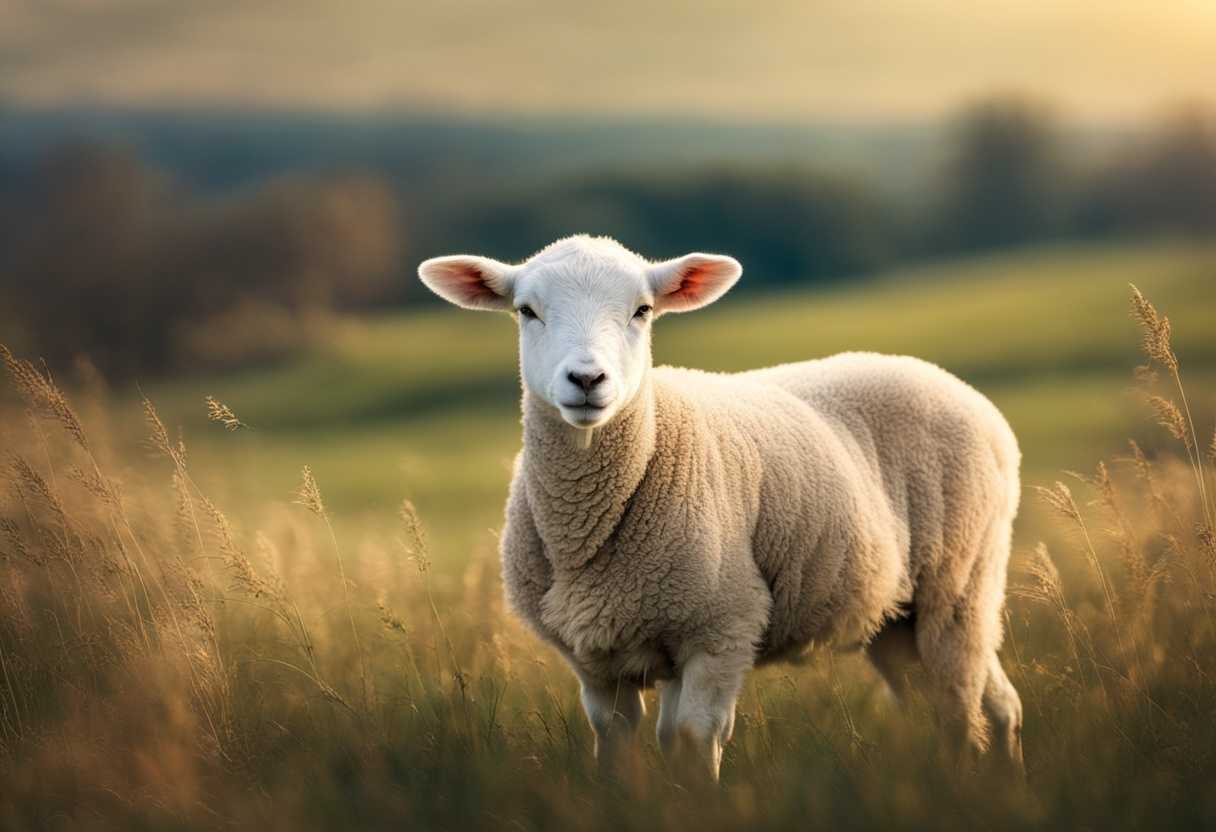
What the Bible Says About the Meaning of the Lamb
In the Bible, a lamb often symbolizes innocence and purity, as seen in its use in sacrificial practices (e.g., the Passover lamb in Exodus 12). Additionally, Jesus is referred to as the “Lamb of God” (John 1:29), representing His role as the ultimate sacrifice for humanity’s sins. Scripture 7 And Isaac said to his father…
-

What the Bible Says About Obligation: Understanding Its Meaning
In the Bible, the term “obligation” often refers to the moral and ethical responsibilities that individuals have towards God and others, such as fulfilling vows or commitments (Psalm 76:11) and the duty to love one another (1 John 4:7). It embodies the concepts of duty, commitment, and the expectation to act in accordance with one’s…
-

What the Bible Says About Hell: A Definition and Understanding
In the Bible, hell is often depicted as a place of eternal punishment and separation from God for the wicked (Matthew 25:46). It is described using terms such as “Gehenna” and “lake of fire,” symbolizing ultimate judgment and despair (Revelation 20:14-15). Scripture 41 “Then he will say to those on his left, ‘Depart from me,…
-

What the Bible Says About Profanation: Understanding Its Definition and Implications
In the Bible, profanation refers to the act of treating sacred things with disrespect or irreverence, effectively desecrating what is holy (Leviticus 22:32). It signifies a failure to honor God’s commandments and can lead to consequences for individuals and communities. Scripture 12 You shall not swear by my name falsely, and so profane the name…
-

What the Bible Says About the Lion of Judah: Meaning and Significance
The “Lion of Judah” refers to Jesus Christ, symbolizing his strength, kingship, and triumph over evil. The title originates from Genesis 49:9-10, where Jacob prophesies that the tribe of Judah will produce a ruler, reflecting the messianic lineage of Christ. Scripture 8 “Judah, your brothers shall praise you; your hand shall be on the neck…
-
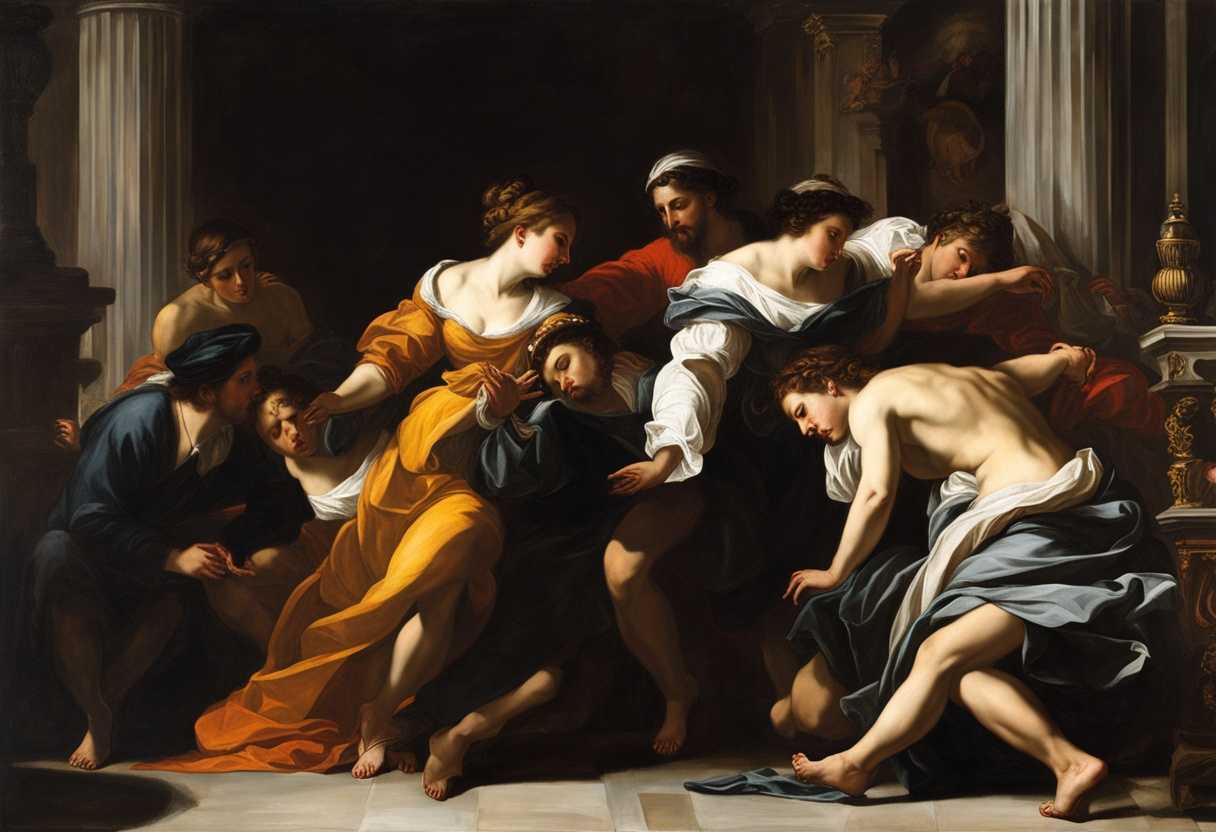
What the Bible Says About Seduction: Understanding Its Definition and Implications
In the Bible, seduction often refers to the act of leading someone away from moral principles and into temptation or sin, particularly in the context of sexual immorality or idolatry. It is frequently depicted as a deceptive and alluring force that undermines trust and righteousness, as seen in passages that warn against the influences of…
-

What the Bible Says About Destiny: Understanding Its Meaning
In the Bible, destiny often refers to God’s sovereign plan and purpose for individuals and nations, as seen in scriptures like Jeremiah 29:11, which speaks of God having plans for prosperity and hope. It conveys the idea that while humans have free will, ultimately, God’s will prevails in the unfolding of one’s life circumstances. Scripture…
-

What the Bible Says About Unchaste Behavior
In the Bible, “unchaste” refers to sexual immorality or impurity, often associated with engaging in illicit sexual activities outside the bounds of marriage. It embodies a lack of moral integrity and a violation of God’s commandments regarding sexual conduct, as seen in passages like Hebrews 13:4 and 1 Corinthians 6:18. Scripture 1 My son, be…