
Category: Definitions
-

What the Bible Says About the Meaning of Shelah
In the Bible, Shelah is a name that means “to be sent” or “petition.” He is one of the three sons of Judah, as mentioned in Genesis 38:5, playing a role in the genealogical history of the Israelites. Scripture 1 It happened at that time that Judah went down from his brothers and turned aside…
-

What the Bible Says About the Definition of “Shewing”
In the Bible, “shewing” refers to the act of demonstrating, revealing, or making known something, often used in the context of sharing divine truths or teachings. It emphasizes the importance of proclamation and witnessing to God’s works and commandments. Scripture 5 The Lord descended in the cloud and stood with him there, and proclaimed the…
-

What the Bible Says About the Meaning of the Name Aram
In the Bible, the name Aram is associated with a descendant of Shem, as mentioned in Genesis 10:22, and it represents an ancient region located in modern-day Syria. The name itself means “high” or “exalted.” Scripture 22 The sons of Shem: Elam, Asshur, Arpachshad, Lud, and Aram. 23 The sons of Aram: Uz, Hul, Gether,…
-

What the Bible Says About Expectation
In the Bible, expectation refers to a hopeful anticipation of God’s promises and deliverance, as seen in passages like Psalm 62:5, where the psalmist expresses trust in God’s provision. It reflects a faith-filled outlook, relying on the belief that God will fulfill His word and bring about good in one’s life. Scripture 5 For God…
-

What the Bible Says About the Meaning of the Name Job
The name Job means “persecuted” or “hated” in Hebrew. In the Bible, Job is a central figure in the Book of Job, renowned for his patience and endurance in the face of immense suffering and loss. Scripture 1 There was a man in the land of Uz whose name was Job, and that man was…
-

What the Bible Says About Tumult
In the Bible, “tumult” refers to a state of confusion, chaos, or uproar, often associated with loud noise or disorderly commotion. It is used to describe both physical disturbances, such as battles or riots, and spiritual or emotional turmoil. Scripture 1 God is our refuge and strength, a very present help in trouble. 2 Therefore…
-
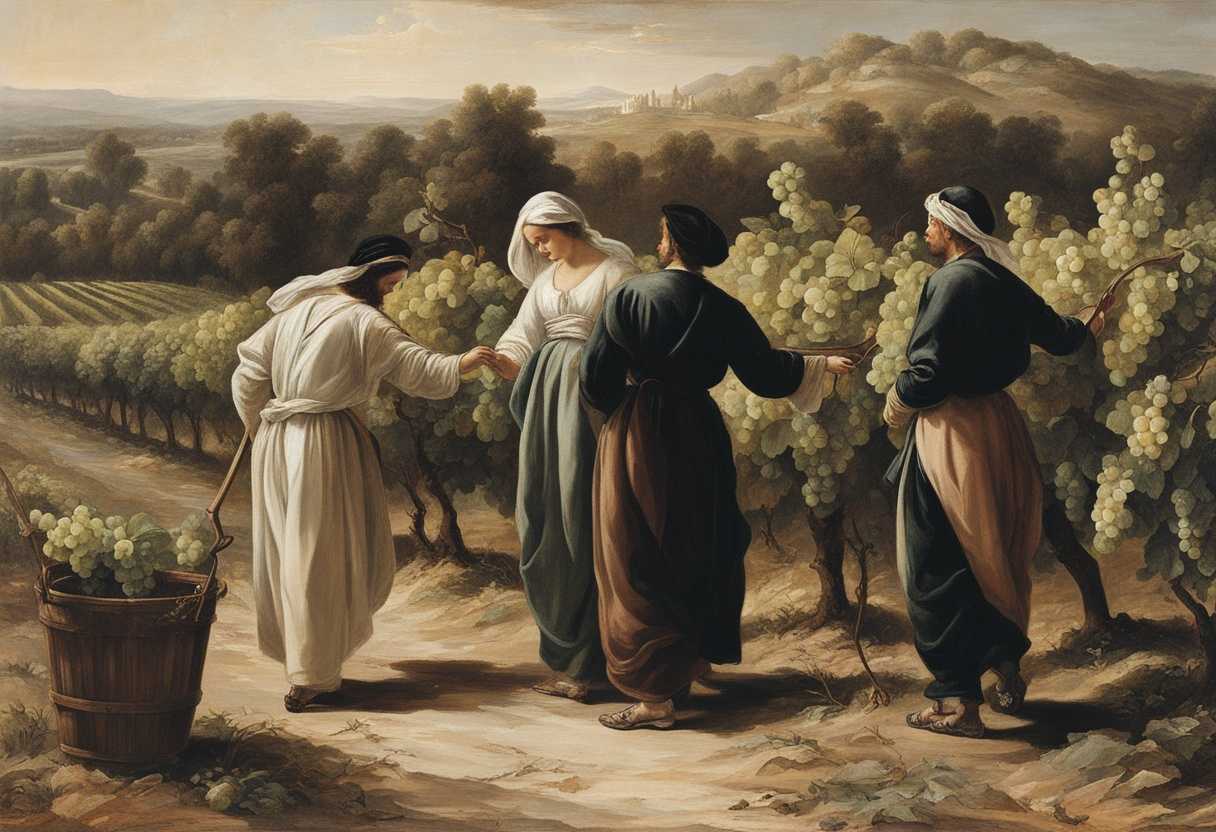
What the Bible Says About Vinedressers: Understanding Their Role in Scripture
In the KJV Bible, “vinedressers” refers to those who tend to vineyards, caring for the vines and grapes. This term often symbolizes the responsibility of stewardship and cultivation in spiritual contexts, as seen in parables like the one in Matthew 21:33-41. Scripture 1 The Spirit of the Lord God is upon me, because the Lord…
-

What the Bible Says About Insolence: Understanding Its Definition and Implications
Insolent in the Bible refers to someone who displays arrogance, disrespect, or scorn, particularly towards authority or divine commands. This attitude is often condemned as it contradicts the principles of humility and reverence found in Scripture, such as in Proverbs 21:24, which describes the insolent as “scoffers” who bring trouble upon themselves. Scripture 24 “Scoffer”…
-

What the Bible Says About the Sanhedrin: Pronunciation and Meaning Explained
The Sanhedrin, pronounced san-HEE-drin, refers to the assembly or council of Jewish leaders, including priests and elders, responsible for religious and legal authority during the Second Temple period (Matthew 26:57). It played a crucial role in the Jewish judiciary system and was involved in significant decisions, including the trial of Jesus. Scripture 57 Then those…
-

What the Bible Says About Revolution: Understanding Its Meaning
The term “revolution” is not explicitly defined in the Bible, but it can be associated with themes of significant change, upheaval, or transformation in societal or spiritual contexts. Biblical narratives often depict revolutions in the form of God’s intervention, the overthrow of oppressors, or the establishment of God’s kingdom, such as in the stories of…