
Category: Definitions
-

What the Bible Says About the Meaning of Fig Leaves
In the Bible, fig leaves symbolize a misguided attempt to cover shame and sin, as seen in Genesis 3:7, where Adam and Eve use them to hide their nakedness after disobeying God. This act represents humanity’s awareness of sin and the inadequacy of human effort to achieve true righteousness. Scripture 7 Then the eyes of…
-

What the Bible Says About Famish: Understanding Its Definition and Context
In the Bible, “famish” refers to the state of extreme hunger or starvation, often used to describe a desperate lack of food. It signifies not only physical deprivation but can also imply spiritual or emotional hunger, highlighting the dire need for sustenance or fulfillment. Scripture 2 And you shall remember the whole way that the…
-

What the Bible Says About Joseph’s Coat: Meaning and Significance
In the Bible, Joseph’s coat, described as a “coat of many colors” (Genesis 37:3), symbolizes his father’s favoritism and special status among his brothers. This coat becomes a key element in the story of Joseph, inciting jealousy and contributing to the brothers’ decision to sell him into slavery. Scripture 3 Now Israel loved Joseph more…
-

What the Bible Says About Hap: Understanding Its Definition and Significance
In the Bible, “hap” generally refers to chance or luck, as seen in passages like Ecclesiastes 9:11, which highlights the unpredictability of life’s outcomes. It conveys the idea that events can occur without human control or foresight. Scripture 12 And he said, “O Lord, God of my master Abraham, please grant me success today and…
-
What the Bible Says About Self-Pronouncing: Understanding Its Meaning
A self-pronouncing Bible is a version of the Scriptures that includes phonetic guides to help readers correctly pronounce difficult names and words, often using special markings or color coding. This feature aids in the reading and understanding of biblical texts, particularly for those unfamiliar with Hebrew or Greek pronunciations. Scripture 4 “Hear, O Israel: The…
-

What the Bible Says About Longing: A Spiritual Perspective
In the Bible, longing often signifies a deep, earnest desire for a closer relationship with God or for spiritual fulfillment. It reflects the human yearning for divine presence, as seen in verses like Psalm 42:1, where the soul longs for God like a deer longs for water. Scripture 1 As a deer pants for flowing…
-

What the Bible Says About the Threshing Sledge: Understanding Its Meaning and Significance
In the Bible, a threshing sledge is a heavy, flat tool used in agricultural practices to separate grains from chaff. It symbolizes the process of judgment and refinement, where the righteous are distinguished from the wicked (Isaiah 41:15). Scripture 15 Behold, I make of you a threshing sledge, new, sharp, and having teeth; you shall…
-

What the Bible Says About Primeval Times
In a biblical context, “primeval” refers to the earliest times of creation, encompassing events such as the Genesis creation narratives that describe God’s initial act of creating the universe and humanity. It denotes a state of existence that is original and untouched, often associated with the foundational moments of the world as presented in Scripture.…
-
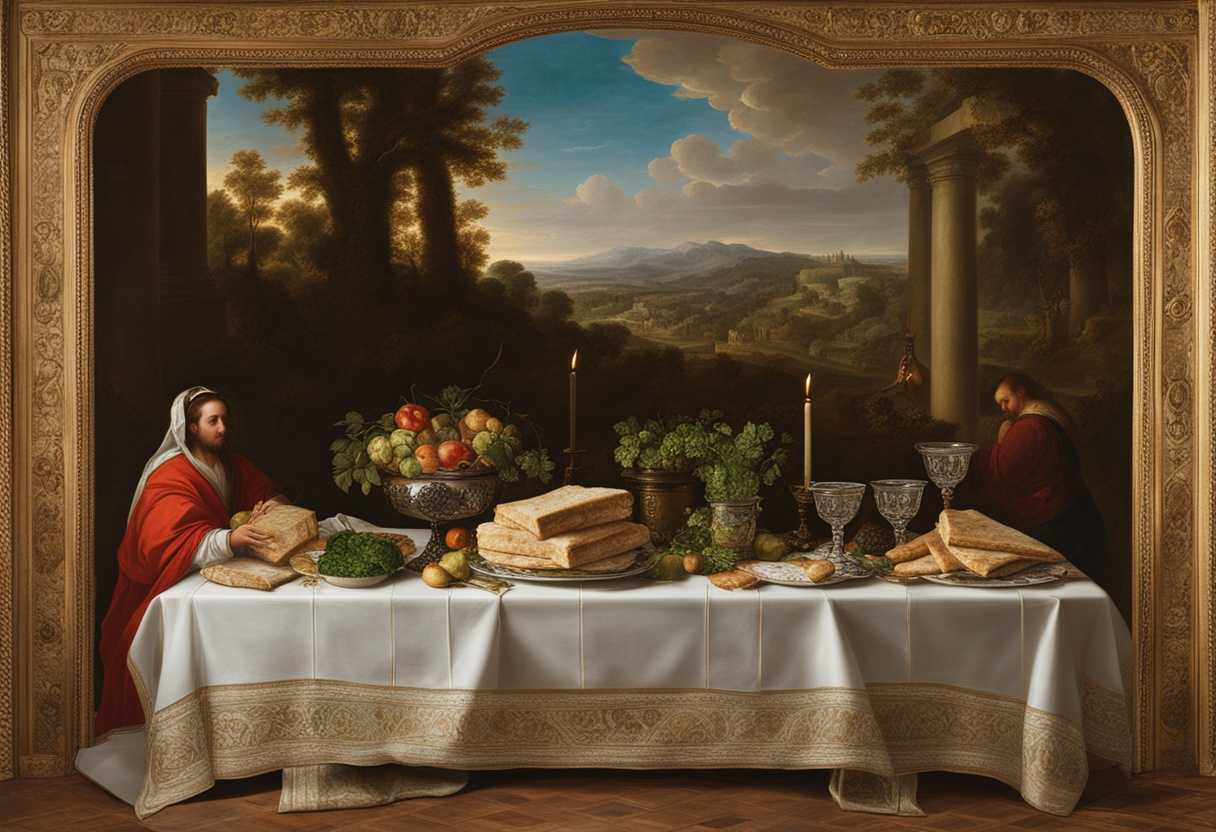
What the Bible Says About the Items of the Passover Menu and Their Symbolic Meaning
In the Bible, Passover commemorates the Israelites’ exodus from Egypt, represented through specific menu items. Key elements include unleavened bread (matzah) symbolizing haste in leaving Egypt, bitter herbs (maror) representing the bitterness of slavery, and lamb (the Passover sacrifice) symbolizing redemption and God’s protection during the final plague. Scripture 1 The Lord said to Moses…
-

What the Bible Says About Shearers: Understanding the Definition and Context
In the Bible, a shearer refers to one who clips or cuts the wool from sheep, commonly associated with harvest and abundance. The act of shearing is often symbolic of gathering blessings or providing for needs, as seen in passages like 1 Samuel 25:2, where it illustrates prosperity and generosity. Scripture 7 He was oppressed,…