
Category: Definitions
-

What the Bible Says About the Sacrifice of Isaac
Isaac’s sacrifice refers to the biblical account in Genesis 22, where God tests Abraham’s faith by instructing him to offer his son Isaac as a burnt offering. This event symbolizes ultimate obedience and trust in God, while also foreshadowing the concept of sacrificial atonement. Scripture 22 After these things God tested Abraham and said to…
-

What the Bible Says About the Meaning of Annals
In the Bible, “annals” refers to historical records or chronicles that document events, often related to the reigns of kings or significant occurrences in Israel’s history. These records serve as a formal account of the past, enabling readers to understand the context and timeline of biblical events. Scripture Now the acts of King David, from…
-

What the Bible Says About Triumphal Procession: Meaning and Significance
In the Bible, a triumphal procession refers to a ceremonial celebration of victory, particularly in a military context, where a conqueror parades their captives and spoils as a display of triumph. This imagery is vividly illustrated in 2 Corinthians 2:14, where Paul describes God leading believers in a triumphal procession through Christ, symbolizing spiritual victory…
-

What the Bible Says About Ordinance: Understanding Its Meaning
In the Bible, the term “ordinance” refers to a law or regulation established by God, often associated with religious practices or moral guidelines that His followers are expected to observe. It signifies mandates such as those given through Moses, which were intended to govern the conduct of the Israelite community in their relationship with God…
-

What the Bible Says About Bearing False Witness
Bearing false witness in the Bible refers to the act of giving false testimony or lying about someone, particularly in a legal context, which is a violation of the Ninth Commandment (Exodus 20:16). It undermines trust and justice within a community, reflecting a lack of integrity and honesty. Scripture 16 “You shall not bear false…
-

What the Bible Says About Statutes: Definition and Pronunciation
Biblical statutes are defined as specific laws or commands given by God that guide moral behavior and religious practice, often found in the books of Exodus, Leviticus, Numbers, and Deuteronomy. The pronunciation is typically /ˈstætʃuːts/. Scripture 1 “And now, O Israel, listen to the statutes and the rules that I am teaching you, and do…
-

What the Bible Says About the Meaning of “Do Not Shave Between the Eyes”
The phrase “do not shave between the eyes” refers to a specific prohibition found in Leviticus 19:27, which instructs the Israelites not to shave the edges of their beards or to make markings on their bodies. This command is part of a broader set of guidelines about maintaining holiness and distinctiveness as God’s chosen people.…
-

What the Bible Says About the Meaning of Isaac
In the Bible, the name Isaac means “laughter,” signifying the joy his birth brought to his parents, Abraham and Sarah, who were both advanced in age and initially doubted God’s promise of a son (Genesis 17:17). Isaac is also a patriarch in the Abrahamic lineage, serving as a key figure in God’s covenant with Abraham.…
-

What the Bible Says About the Meaning of Jose
In the Bible, the name Jose is a variation of Joseph, which means “Jehovah has added” or “God will increase.” Joseph is a significant biblical figure, known for his dreams and his role in the story of Genesis, where he becomes a ruler in Egypt. Scripture 22 Then God remembered Rachel, and God listened to…
-
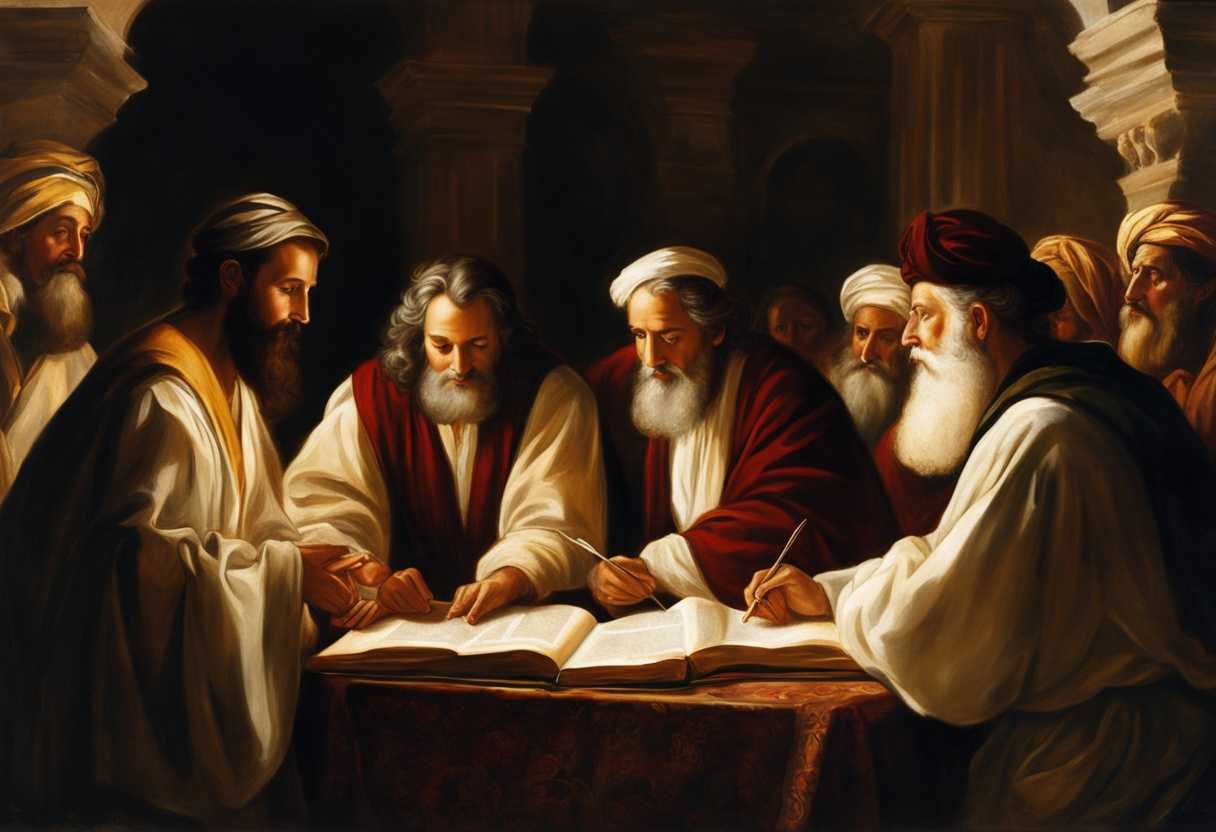
What the Bible Says About the Definition of Rabbi
In the Bible, the term “Rabbi” refers to a teacher or master, particularly one who is an authoritative interpreter of Jewish law and scripture. It is used to denote respect for those who instruct others in spiritual and religious matters, as seen in the New Testament where Jesus is often called Rabbi by his disciples.…