
In the Bible, the term “Rabbi” refers to a teacher or master, particularly one who is an authoritative interpreter of Jewish law and scripture. It is used to denote respect for those who instruct others in spiritual and religious matters, as seen in the New Testament where Jesus is often called Rabbi by his disciples.
Scripture
8 But you are not to be called rabbi, for you have one teacher, and you are all brothers.
9 And call no man your father on earth, for you have one Father, who is in heaven.
10 Neither be called instructors, for you have one instructor, the Christ.
Biblical Definition of Rabbi
The term “Rabbi” in the Bible signifies more than just a title; it embodies the role of a communal spiritual leader and educator, deeply rooted in Jewish tradition. The word itself derives from the Hebrew “rabbi,” meaning “my master” or “my teacher.” This title reflects not only a position of authority but also an intimate relationship between the teacher and student. In John 1:38, when Jesus is first approached by two of his future disciples, they address him as “Rabbi,” indicating their recognition of his authority and teaching ability. Throughout the Gospels, this title is associated with respect and reverence, underlying the significant role rabbis played in guiding spiritual and ethical conduct among the Jewish people.
Moreover, the role of a rabbi extends into the heart of biblical teachings, especially regarding the interpretation of the Law. In Matthew 23:8-10, Jesus instructs his followers not to let anyone call them “Rabbi,” emphasizing the importance of humility and servanthood over mere status. He embodies the essence of the rabbinic role, teaching that true leadership comes from serving others (Mark 10:45). The rabbi’s function as a teacher is crucial in the formation of an individual’s faith and understanding of God’s commands, as seen in passages like Deuteronomy 6:7, where believers are urged to teach God’s words to their children. Thus, the concept of Rabbi in the Bible encapsulates the transformative power of education in faith, mutual respect between leaders and their communities, and the emphasis on humility in spiritual authority.
In the broader context of the biblical narrative, the role of a rabbi is often tied closely to the teaching and interpretation of Scripture. The rabbi serves as a mediator between the sacred texts and the lives of the community, elucidating the Law and applying it to everyday situations. This is reflected in the practices of the early believers who often gathered to study, discuss, and debate the meaning of the Torah, showing that the rabbinic tradition was not only about formal teaching but also about fostering an environment of inquiry and discourse. The rabbis were instrumental in preserving the oral tradition, which complements the written texts, ensuring that the teachings of the Torah adapted to contemporary circumstances while remaining anchored in the core values of Jewish spirituality.
Additionally, the concept of rabbinic authority is rooted in the communal aspect of Jewish life during biblical times. Rabbis often served as community leaders, involved in administering justice and guiding the moral compass of their societies. This dual role of teacher and leader emphasized the rabbi’s responsibility not only for imparting knowledge but also for embodying the ethical principles to which they taught adherence. As seen in various passages throughout the Old and New Testaments, the rabbi’s function is pivotal in shaping a collective identity and ensuring that the covenant relationship between God and Israel is actively lived out within the community. Consequently, the role of the rabbi transcends mere scholarly duties, presenting a holistic approach to spiritual leadership that integrates knowledge, practice, and community engagement in the pursuit of a righteous life.
The Role of Rabbi as a Teacher
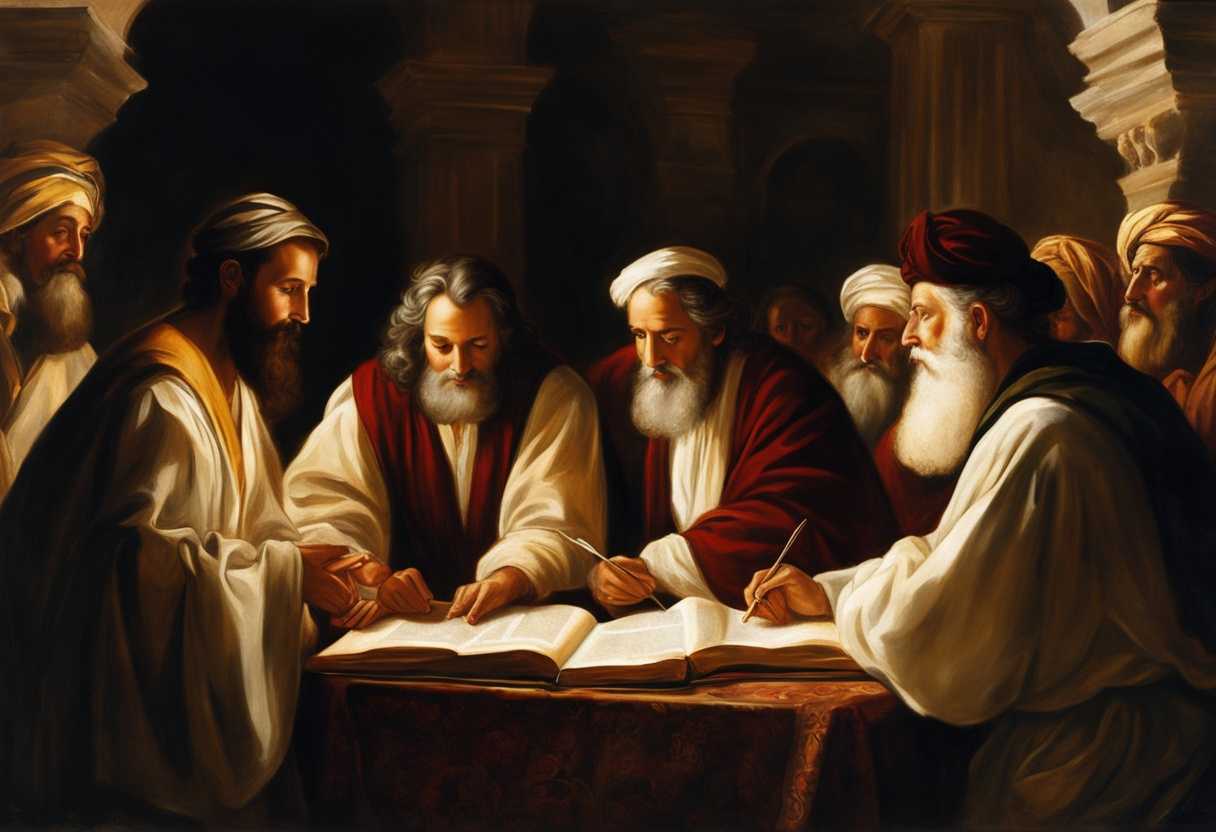
In the biblical context, a Rabbi is primarily recognized as a teacher of the Torah and Jewish law. This role encompasses not only the instruction of scripture but also the interpretation and application of its principles to daily life. Rabbis were responsible for guiding their communities in understanding the complexities of the law, ensuring that the teachings of the Torah were accessible and relevant to the people. This educational aspect highlights the importance of knowledge and wisdom in spiritual leadership.
The Rabbi as a Spiritual Leader
Beyond their role as educators, Rabbis also served as spiritual leaders within their communities. They were often seen as mediators between God and the people, providing guidance in matters of faith, ethics, and communal life. This leadership role involved not only teaching but also pastoral care, helping individuals navigate their spiritual journeys and fostering a sense of community among believers. The Rabbi’s authority in spiritual matters underscored the significance of mentorship and moral guidance in the life of the faithful.
The Rabbi’s Connection to Authority and Tradition
The title of Rabbi also signifies a connection to authority and tradition within the Jewish faith. Rabbis were often respected figures who upheld the teachings and practices passed down through generations. Their authority was derived from their knowledge of the law and their ability to interpret it in ways that resonated with contemporary issues. This connection to tradition emphasizes the continuity of faith and the importance of maintaining a link to the past while addressing the needs of the present.
How to Deepen Your Faith and Understanding as a Christian
Deepening your faith and understanding as a Christian is a beautiful journey that requires both intention and openness. Start by immersing yourself in Scripture; set aside time each day to read and reflect on the Word, allowing it to speak to your heart and guide your actions. Consider joining a Bible study group where you can share insights and learn from others, fostering a sense of community and accountability. Prayer is also essential—make it a habit to converse with God, expressing your thoughts, doubts, and gratitude. Don’t shy away from asking tough questions; seeking answers can lead to profound growth. Lastly, serve others in your community, as putting your faith into action not only strengthens your relationship with God but also reflects His love to those around you. Remember, this journey is not about perfection but about progress, so be gentle with yourself as you grow.
Bible References to the Definition of Rabbi:
John 1:38-39: 38 Jesus turned and saw them following and said to them, “What are you seeking?” And they said to him, “Rabbi” (which means Teacher), “where are you staying?”
39 He said to them, “Come and you will see.” So they came and saw where he was staying, and they stayed with him that day, for it was about the tenth hour.
John 3:1-2: 1 Now there was a man of the Pharisees named Nicodemus, a ruler of the Jews.
2 This man came to Jesus by night and said to him, “Rabbi, we know that you are a teacher come from God, for no one can do these signs that you do unless God is with him.”
John 3:26-27: 26 And they came to John and said to him, “Rabbi, he who was with you across the Jordan, to whom you bore witness—look, he is baptizing, and all are going to him.”
27 John answered, “A person cannot receive even one thing unless it is given him from heaven.”
John 6:25-27: 25 When they found him on the other side of the sea, they said to him, “Rabbi, when did you come here?”
26 Jesus answered them, “Truly, truly, I say to you, you are seeking me, not because you saw signs, but because you ate your fill of the loaves.
27 Do not work for the food that perishes, but for the food that endures to eternal life, which the Son of Man will give to you. For on him God the Father has set his seal.”
John 20:16-18: 16 Jesus said to her, “Mary.”
17 Jesus said to her, “Do not cling to me, for I have not yet ascended to the Father; but go to my brothers and say to them, ‘I am ascending to my Father and your Father, to my God and your God.’”
18 Mary Magdalene went and announced to the disciples, “I have seen the Lord”—and that he had said these things to her.

Reverend Michael Johnson is an experienced Church Minister with a profound expertise in spirituality and guidance. With a serene presence and a compassionate heart, he has faithfully served his congregation for over 20 years, leading them on a spiritual journey towards inner peace and enlightenment. Reverend Johnson’s extensive knowledge of religious philosophies and profound understanding of human nature have made him a trusted confidant and mentor to many, as he seamlessly weaves his profound wisdom into life teachings. Reverend Johnson’s calming demeanor and empathetic nature continue to uplift and heal souls, nurturing a sense of unity and tranquility within his community.