
Category: Definitions
-

What the Bible Says About the Moth: A Symbol of Transience and Destruction
In the Bible, moths are often used as symbols of decay and transience, representing how material possessions are temporary and can be easily destroyed (Matthew 6:19-20). They highlight the importance of focusing on spiritual riches that endure rather than earthly wealth that can perish. Scripture 18 Even in his servants he puts no trust, and…
-
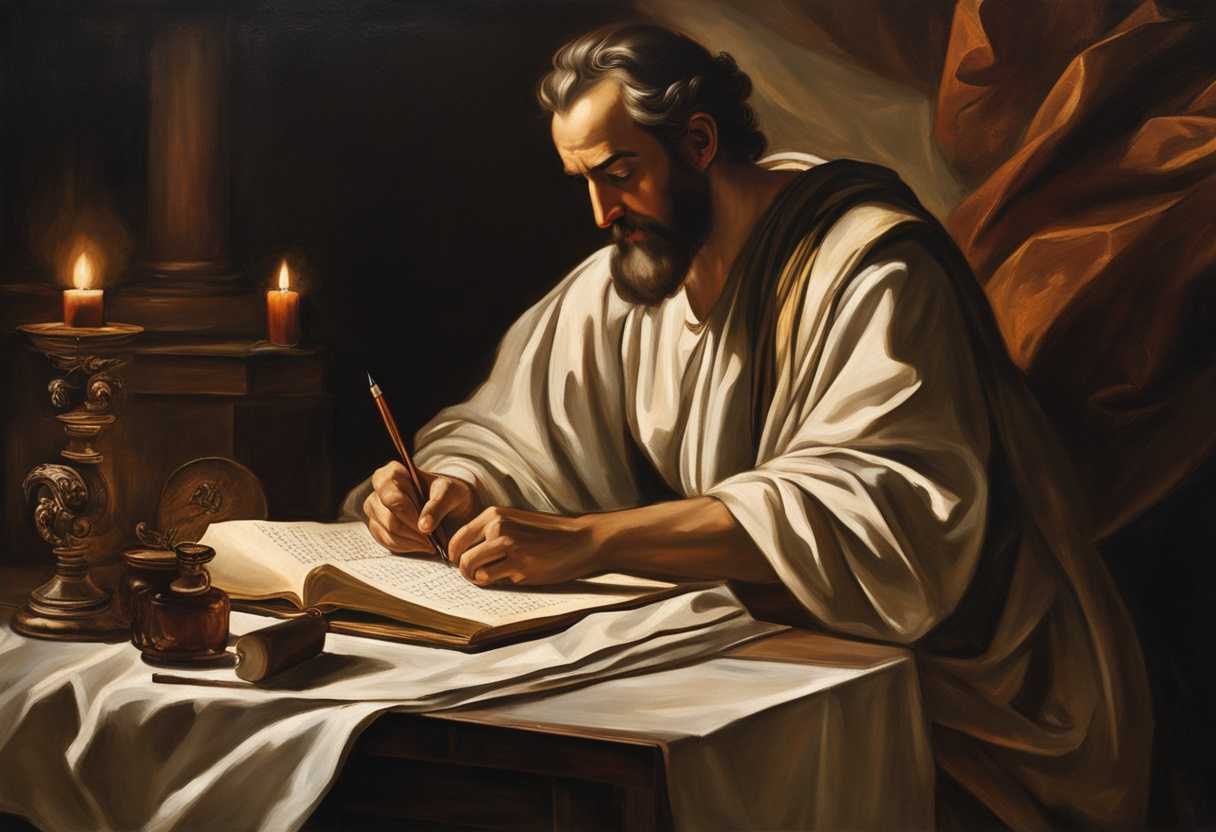
What the Bible Says About the Meaning of Pauline
In the Bible, “Pauline” refers to anything related to the Apostle Paul, particularly his teachings and writings found in the New Testament. His epistles, such as Romans, Corinthians, and Galatians, emphasize themes of faith, grace, and the ethical implications of the Gospel. Scripture 1 Paul, a servant of Christ Jesus, called to be an apostle,…
-

What the Bible Says About the Meaning of Spring
In the Bible, spring is often associated with renewal, rebirth, and the promises of God, exemplified by concepts like the blooming of flowers and the arrival of new life (Song of Solomon 2:11-12). It also parallels the themes of resurrection and the celebration of Passover, symbolizing hope and divine restoration. Scripture 20 Then Noah built…
-

What the Bible Says About the Synoptic Gospels
The Synoptic Gospels refer to the first three books of the New Testament—Matthew, Mark, and Luke—known for their similar content, structure, and viewpoint. The term “synoptic” comes from a Greek word meaning “seeing together,” highlighting their parallel accounts of the life and teachings of Jesus Christ. Scripture 1 Seeing the crowds, he went up on…
-

What the Bible Says About the Blood Red Moon: Meaning and Significance
In the Bible, a “blood moon” is often associated with apocalyptic events and divine judgment, as seen in passages like Joel 2:31 and Revelation 6:12. It symbolizes a sign of the end times and the fulfillment of prophecy. Scripture 28 “And it shall come to pass afterward, that I will pour out my Spirit on…
-

What the Bible Says About the Work of the Flesh
In the Bible, the “work of the flesh” refers to sinful behaviors and attitudes that arise from human nature apart from the influence of the Holy Spirit. This concept is notably discussed in Galatians 5:19-21, where behaviors such as immorality, idolatry, and jealousy are listed as evident manifestations of a life not led by the…
-

What the Bible Says: The Definition of “Amen”
In the Bible, “Amen” is a Hebrew word meaning “so be it” or “truly,” used to express agreement, affirmation, or certainty. It often concludes prayers and statements, signifying faith in the truth of what has been said. Scripture 22 May this water that brings a curse pass into your bowels and make your womb swell…
-

What the Bible Says About “A Time to Kill”
The phrase “A time to kill” comes from Ecclesiastes 3:3, which reflects the idea that there are appropriate times for various actions in life, including when to take life. The context emphasizes the natural order and seasons of life, suggesting that there are moments when such actions may be deemed necessary or justified. Scripture 13…
-

What the Bible Says About a Ready Mind
In the Bible, a “ready mind” refers to a state of being prepared and eager to learn, understand, and accept truth, particularly in the context of faith and knowledge of God. This concept is reflected in 1 Peter 1:13, which encourages believers to be alert and fully prepared to receive God’s grace and guidance. Scripture…
-

What the Bible Says About Being an Imitator
In the Bible, an “imitator” refers to a person who seeks to emulate the behavior, character, or teachings of another, often in the context of following Christ’s example (1 Corinthians 11:1) or the teachings of apostles (Ephesians 5:1). This concept emphasizes the importance of modeling one’s life after the virtues and morals demonstrated by Christ…