
Category: Definitions
-

What the Bible Says About the Meaning of Baptism in Dreams
In biblical interpretation, dreaming of baptism often symbolizes purification, spiritual renewal, or a significant transition in one’s faith journey. It reflects the desire for cleansing from sins and a commitment to a new life in Christ. Scripture 13 Then Jesus came from Galilee to the Jordan to John, to be baptized by him. 14 But…
-

What the Bible Says About the Meaning of the Sixth Month
In the Bible, the sixth month is notably significant as it is referenced in the context of the announcement of the birth of John the Baptist, where the angel Gabriel visited Zechariah and later Mary (Luke 1:26-36). Additionally, the sixth month is also associated with the Jewish calendar, particularly in relation to festivals and agricultural…
-

What the Bible Says About Revival: Understanding Its Meaning and Significance
In the Bible, revival refers to the renewed spiritual awakening and vitality among believers, often characterized by repentance, restoration, and a return to fervent faith and devotion to God. It signifies a movement of the Holy Spirit that brings transformation and a greater commitment to living according to God’s will. Scripture 14 if my people…
-

What the Bible Says About Covering Garments in Violence
The phrase “covers his garment in violence” originates from Malachi 2:16, where it signifies a man who treacherously departs from his spouse, engaging in acts of unfaithfulness or cruelty. It reflects a deeper moral implication, indicating the consequences of betrayal and the seriousness of violating covenant relationships. Scripture 13 And this second thing you do.…
-
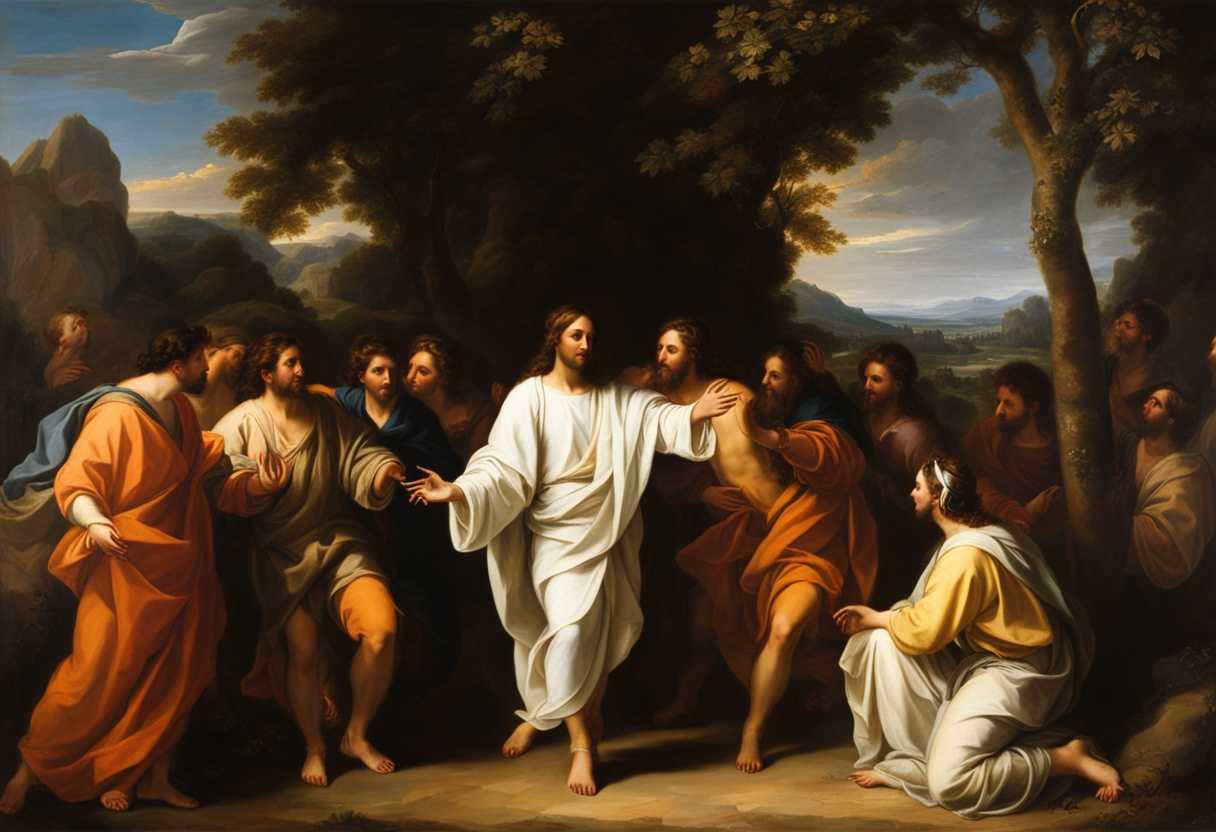
What the Bible Says: “Come and See” Meaning Explained
“Come and see” is an invitation found in the Bible, particularly in John 1:39, where Jesus invites seekers to explore faith and observe His ministry. It signifies an open call for individuals to witness the truth of Christ through personal experience and encounter. Scripture 35 The next day again John was standing with two of…
-

What the Bible Says About Interpreting Figurative Language
Figurative language in the Bible includes metaphors, similes, parables, and symbolic expressions used to convey deeper spiritual truths and concepts. It enriches the text by encouraging readers to seek a more profound interpretation beyond the literal meaning. Scripture 10 “For as the rain and the snow come down from heaven and do not return there…
-
What the Bible Says About the Definition of Blot
In the Bible, the term “blot” often refers to the act of erasing or removing something, particularly in the context of sin and transgression. For example, Psalm 51:1-2 speaks of God blotting out transgressions, signifying forgiveness and the cleansing of one’s wrongdoings. Scripture 32 Then Moses returned to the Lord, and said, “Alas, this people…
-

What the Bible Says About the Meaning of “Trap”
In the Bible, a “trap” often symbolizes a scheme or snare set to ensnare individuals, leading them to sin or harm (Psalm 91:3, Proverbs 29:6). It serves as a metaphor for deception and danger, both physical and moral, cautioning believers to remain vigilant against such entrapments (1 Timothy 6:9). Scripture 10 My son, if sinners…
-

What the Bible Says About the Definition of Bow
In the Bible, “bow” can refer to a physical bending of the body as a gesture of respect, humility, or submission, often in worship (Psalm 95:6). Additionally, it can signify the act of giving oneself to God or the symbolic representation of making a covenant, as seen in God’s promise to Noah with the rainbow…
-

What the Bible Says About the Biblical Meaning of Finding Coins
In the Bible, coins often represent wealth, value, and the material aspects of life. Notable instances, such as the parable of the lost coin (Luke 15:8-10), illustrate themes of loss, redemption, and the joy of recovery, symbolizing God’s pursuit of the lost and His desire for reconciliation. Scripture 24 When they came to Capernaum, the…