
Category: Definitions
-

What the Bible Says About the Meaning of Magnified
In the Bible, “magnified” often refers to the act of making something great or esteemed, particularly in relation to God’s name or deeds (e.g., Psalm 34:3). It conveys a sense of honor, reverence, and the recognition of God’s greatness among people. Scripture 1 I give you thanks, O Lord, with my whole heart; before the…
-
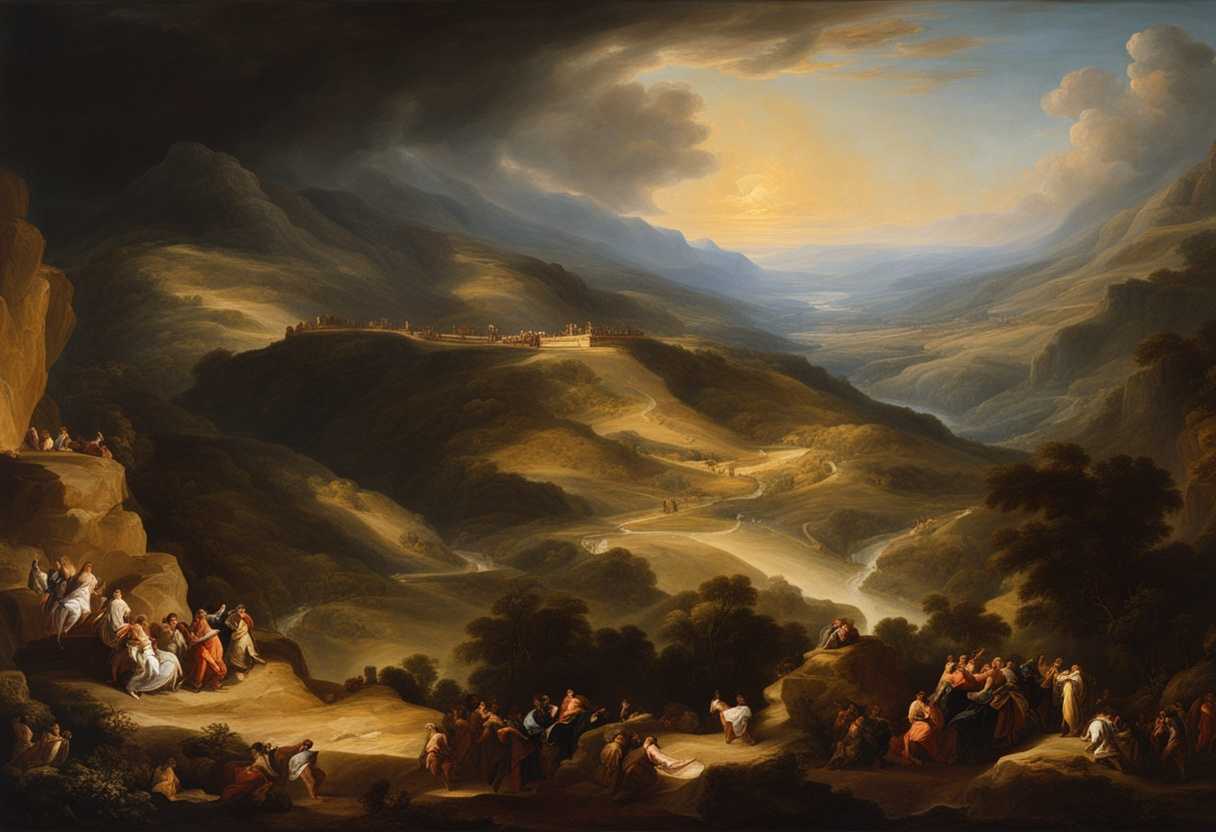
What the Bible Says About Mount Carmel: A Symbol of Faith and Victory
Mount Carmel is a significant biblical location in northern Israel, known for its association with the prophet Elijah and the contest against the prophets of Baal (1 Kings 18). It symbolizes the struggle between true worship of God and idolatry, reflecting themes of faith, divine power, and the sovereignty of the Lord. Scripture 19 Now…
-

What the Bible Says About “Nothing New Under the Sun”
The phrase “nothing new under the sun” comes from Ecclesiastes 1:9, suggesting that human experiences, struggles, and patterns repeat throughout history. It emphasizes the cyclical nature of life and the idea that everything we encounter has been seen or experienced before. Scripture 9 What has been is what will be, and what has been done…
-
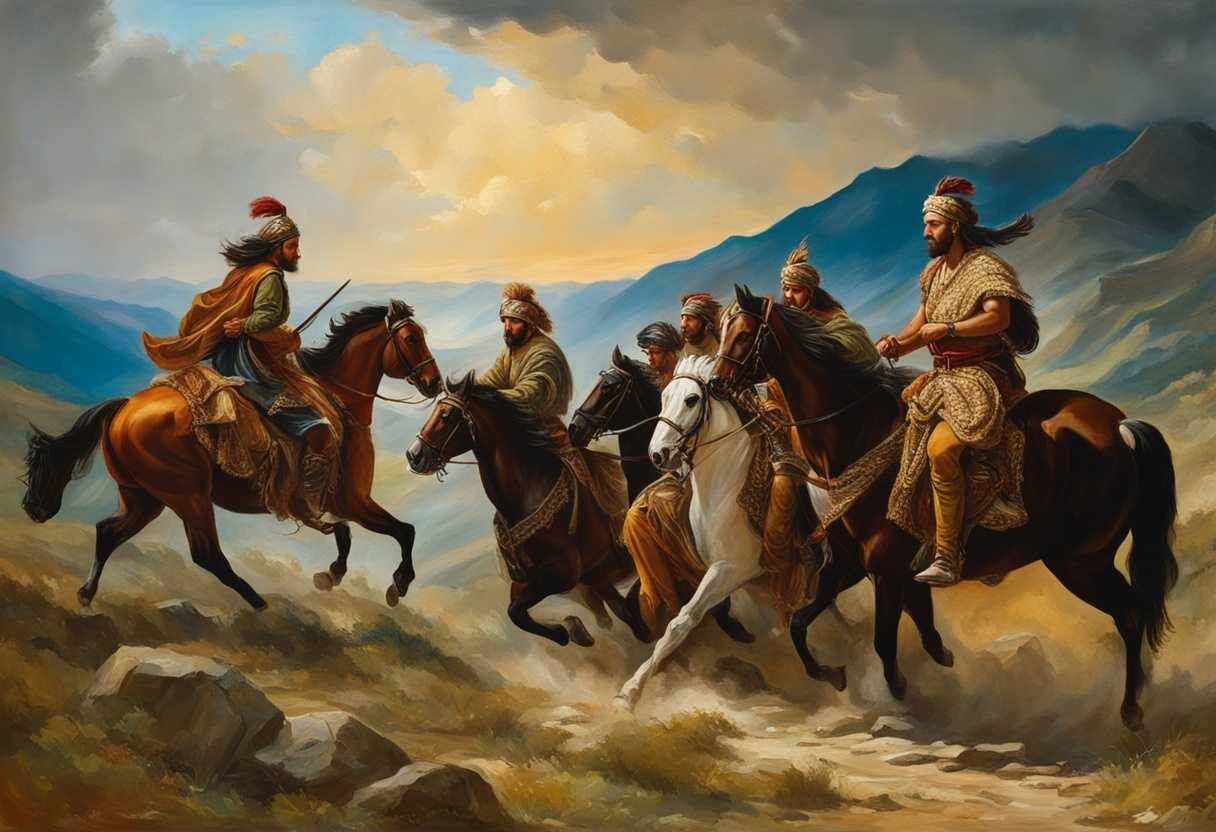
What the Bible Says About Scythians: Understanding Their Definition and Significance
In the Bible, Scythians are described as a group of nomadic tribes known for their skilled horseback riding and warrior culture, often associated with barbarism. They are mentioned in Colossians 3:11, where Paul highlights the unity of believers in Christ, stating that there is neither Greek nor Jew, circumcised nor uncircumcised, barbarian, Scythian, slave nor…
-

What the Bible Says About Rumour: Insights from the King James Version
In the KJV Bible, “rumour” refers to a report or statement that may not be reliable or true, often associated with gossip or hearsay. It implies misinformation or unverified news, as seen in passages such as Jeremiah 51:46, where God warns against being alarmed by false reports. Scripture 14 I have heard a message from…
-

What the Bible Says About the Meaning of Baal-Zephon
Baal-Zephon is mentioned in the Bible as a location near the Red Sea, associated with the land of Egypt (Exodus 14:2). The name translates to “Baal of the North,” indicating a connection to the pagan deity Baal, reflecting the surrounding culture and geography during the Israelites’ Exodus. Scripture 14 Then the Lord said to Moses,…
-

What the Bible Says About the Staff of Bread
The phrase “staff of bread” in the Bible typically refers to the basic sustenance or provisions necessary for life. It symbolizes God’s provision and sustenance for His people, as in Exodus 16:4, where God provides manna as daily bread for the Israelites in the wilderness. Scripture 26 When I break your supply of bread, ten…
-

What the Bible Says About the Meaning of Dry Land
In the Bible, “dry land” refers to the earth that appears after water has receded, as described in Genesis 1:9 when God gathers the waters, allowing dry land to appear. It symbolizes stability and a good foundation for life, reflecting God’s order in creation. Scripture 9 And God said, “Let the waters under the heavens…
-

What the Bible Says About Being on the Housetop: Understanding Its Meaning
In the Bible, “to be on the housetop” often signifies a place of safety or refuge, as well as a vantage point for observing one’s surroundings. It is mentioned in contexts where urgency is emphasized, such as in Matthew 24:17, where it instructs those on the housetop to not return home, indicating the need to…
-

What the Bible Says About Goshen: Meaning and Significance
In the Bible, Goshen is described as a fertile region in Egypt where the Israelites settled during their time of slavery, as noted in Genesis 47:6. It symbolizes safety and abundance, serving as a place of refuge for God’s chosen people amidst a foreign land. Scripture 9 Hurry and go up to my father and…