
Category: Definitions
-

What the Bible Says About Wholesome Living
In the Bible, “wholesome” refers to something that is healthy, beneficial, or promoting physical, spiritual, and moral well-being. It often describes words, actions, and thoughts that are pure and uplifting, as seen in Ephesians 4:29, which encourages believers to speak only what is helpful for building others up. Scripture 15 A soft answer turns away…
-

What the Bible Says About the Spiritual Meaning of the Scepter
In the Bible, the scepter represents authority, power, and kingship. It symbolizes God’s sovereignty and the rightful rule of Christ as King, highlighting the promise of His reign over His people (Hebrews 1:8, Genesis 49:10). Scripture 8 “Judah, your brothers shall praise you; your hand shall be on the neck of your enemies; your father’s…
-

What the Bible Says About the Meaning of 5 Years
In the Bible, five years can symbolize a period of preparation or transition, often representing God’s grace and favor during a transformative phase. Additionally, the number five is associated with the laws of God and the Pentateuch, which signifies His covenant relationship with His people. Scripture 6 For the famine has been in the land…
-

What the Bible Says About Rope Symbolism
In the Bible, rope often symbolizes strength, unity, and connection, as seen in Ecclesiastes 4:12, which states that “a cord of three strands is not quickly broken.” Additionally, it can represent bondage or restraint, as in the context of being tied or bound, often reflecting a spiritual or physical captivity. Scripture 13 And they said…
-

What the Bible Says About the Meaning of Sundial
In the Bible, sundials are often associated with the measurement of time and the demonstration of God’s power. One notable reference is in 2 Kings 20:9-11, where the sundial of Ahaz is used by the prophet Isaiah to confirm God’s promise to Hezekiah by causing the shadow to move backward as a sign. Scripture 8…
-
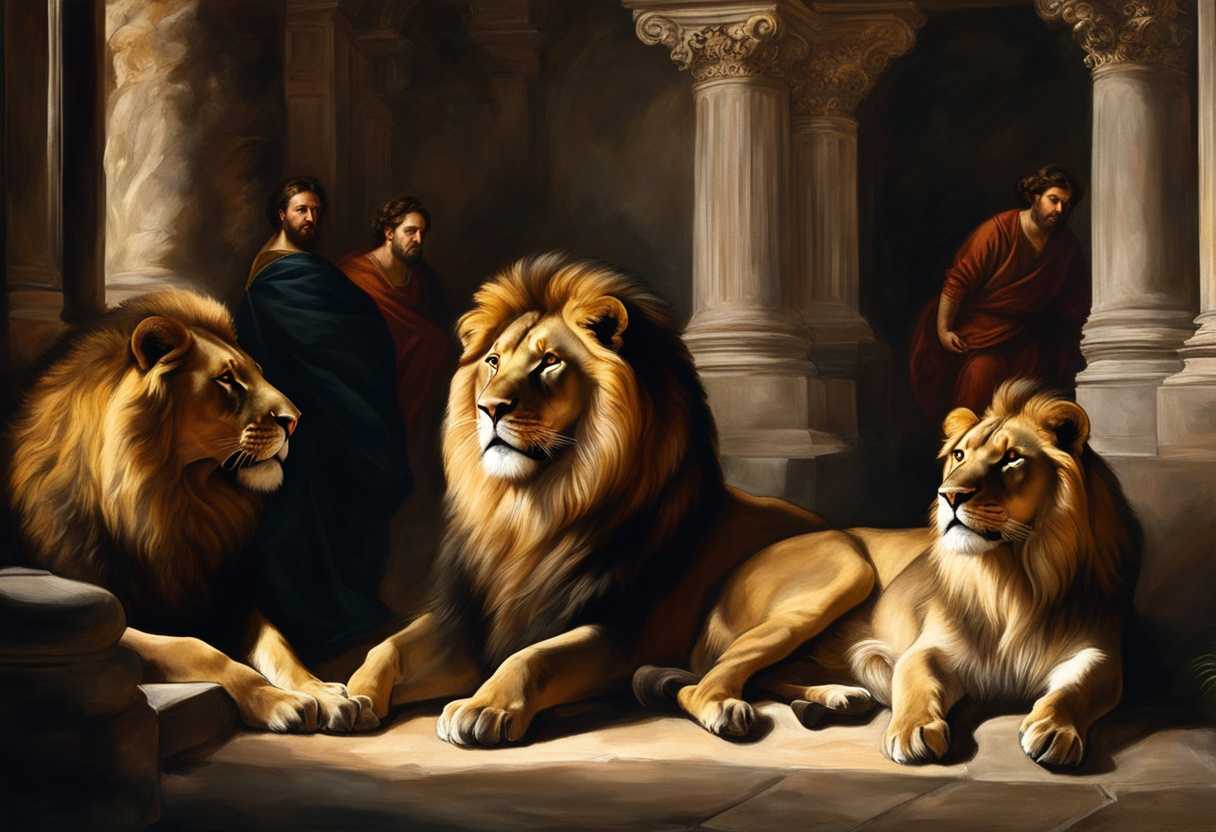
What the Bible Says About the Lion’s Den: Understanding Its Meaning
The Lion’s Den refers to the biblical story of Daniel, who was thrown into a den of lions for refusing to stop praying to God (Daniel 6). This event symbolizes faithfulness and divine protection, as God miraculously saved Daniel by keeping the lions from harming him. Scripture 1 It pleased Darius to set over the…
-
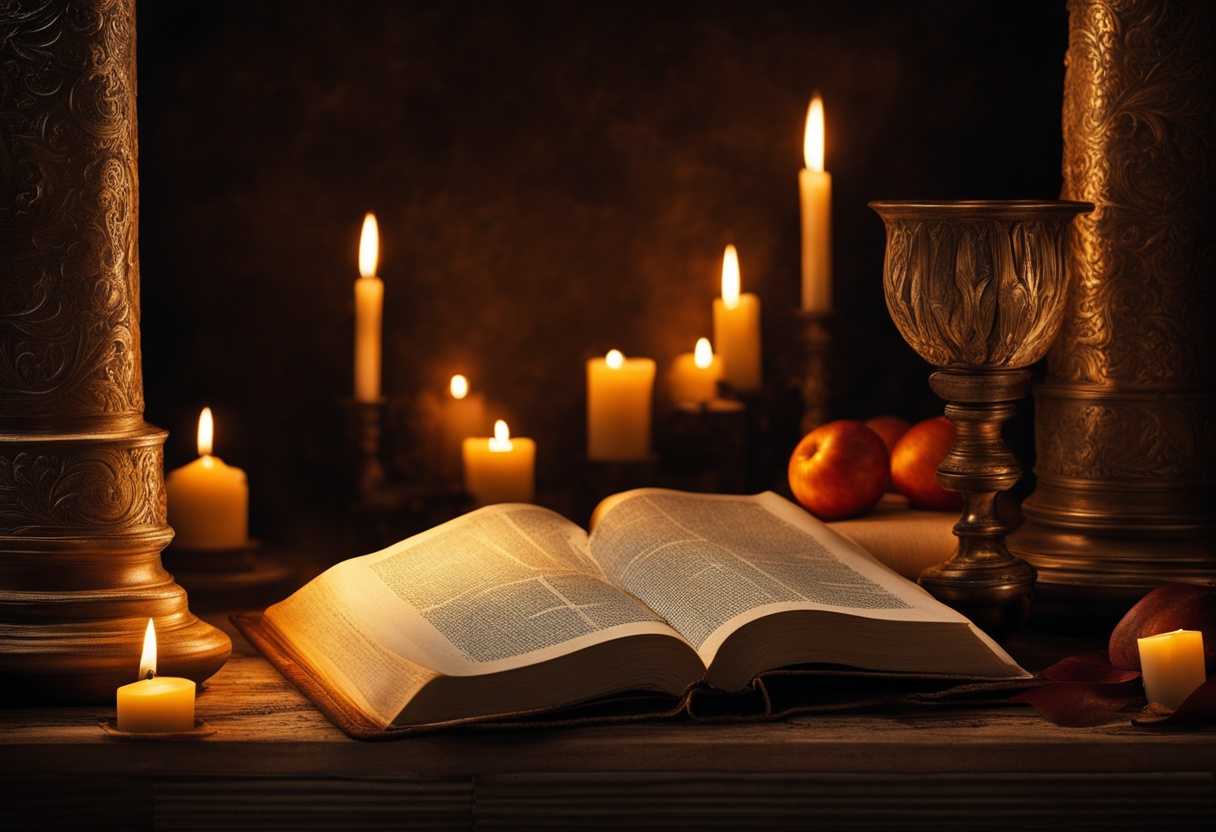
What the Bible Says About Bibliomancy: Understanding Its Definition and Context
Bibliomancy is not explicitly defined in the Bible, but it refers to the practice of seeking divine guidance or prophecy by interpreting a random passage from the scriptures. While the Bible does emphasize the importance of scripture and prayer, it generally discourages using it as a tool for fortune-telling or divination (Deuteronomy 18:10-12). Scripture 15…
-

What the Bible Says About Seeking Hidden Treasures: Lessons from Bilbo and the Arkenstone
In the context of J.R.R. Tolkien’s “The Hobbit,” Bilbo finding the Arkenstone signifies the emergence of inner strength and bravery, as well as the complexities of greed and desire for power. Biblically, things like precious stones often symbolize temptation and the pursuit of worldly riches, reinforcing themes of stewardship versus selfishness. Scripture 17 You shall…
-

What the Bible Says About Dynamic Equivalence in Translation
Dynamic equivalence is a translation philosophy that emphasizes conveying the thought and meaning of the original text in a way that is natural and understandable in the target language, rather than adhering strictly to the original wording. This approach seeks to create a similar effect and response in the reader as intended by the original…
-

What the Bible Says About the Meaning of a Man Who Waited for His Wife
The concept of a man waiting for his wife in the Bible can often symbolize patience, faithfulness, and commitment in relationships. It reflects the broader biblical themes of love and fidelity, as seen in examples like Isaac waiting for Rebekah and Christ’s anticipation of his bride, the Church. Scripture 18 Jacob loved Rachel. 19 Laban…