
Category: Parables and Stories
-

What the Bible Reveals About the Meaning of “The Poisonwood Bible”
“The Poisonwood Bible” is a novel by Barbara Kingsolver that explores themes of cultural misunderstanding, guilt, and the consequences of missionary work. Through the story of the Price family in the Belgian Congo, it examines the complexities of faith, colonialism, and the struggle for identity amidst personal and societal upheaval. Scripture 1 Now the serpent…
-

What the Bible Says About the Meaning of the Cursed Fig Tree
The cursed fig tree, found in Mark 11:12-14 and Matthew 21:18-22, symbolizes Israel’s spiritual barrenness and judgment for failing to produce the fruits of righteousness. Jesus’ act of cursing the tree serves as a powerful lesson about the consequences of unfruitfulness in faith. Scripture 18 In the morning, as he was returning to the city,…
-

What the Bible Says About a Master Giving Servants 10 Gold Coins
The Parable of the Talents, found in Matthew 25:14-30, illustrates the importance of using one’s God-given abilities and resources wisely. In the parable, servants are entrusted with varying amounts of money (talents) and are rewarded or punished based on how they manage and multiply these resources, emphasizing accountability and faithfulness in stewardship. Scripture 14 “For…
-

What the Bible Says About the Meaning of David and Goliath
The story of David and Goliath, found in 1 Samuel 17, symbolizes the triumph of faith and divine strength over overwhelming odds. It illustrates that with trust in God, even the seemingly weak can achieve victory against powerful adversaries. Scripture 17 Now the Philistines gathered their armies for battle. And they were gathered at Socoh,…
-

What the Bible Says About “The Violent Bear It Away”
“The Violent Bear It Away” is a phrase derived from Matthew 11:12, which suggests that those who are forceful or determined in their pursuit of God’s kingdom will actively seize it. It implies a sense of urgency and assertiveness in responding to spiritual truths and experiences. Scripture 12 From the days of John the Baptist…
-

What the Bible Says About the Meaning of the Lost Coin
The parable of the lost coin, found in Luke 15:8-10, illustrates God’s joy over the repentance of one sinner. It emphasizes the value of every individual to God and the celebration that occurs in heaven when even one person returns to Him. Scripture 8 “Or what woman, having ten silver coins, if she loses one…
-

What the Bible Teaches Kids Through Parables
Parables in the Bible are simple stories that teach important moral or spiritual lessons, often using everyday situations that children can understand. They are designed to illustrate truths about God’s kingdom and encourage listeners to think deeply about their beliefs and actions. Scripture 1 That same day Jesus went out of the house and sat…
-
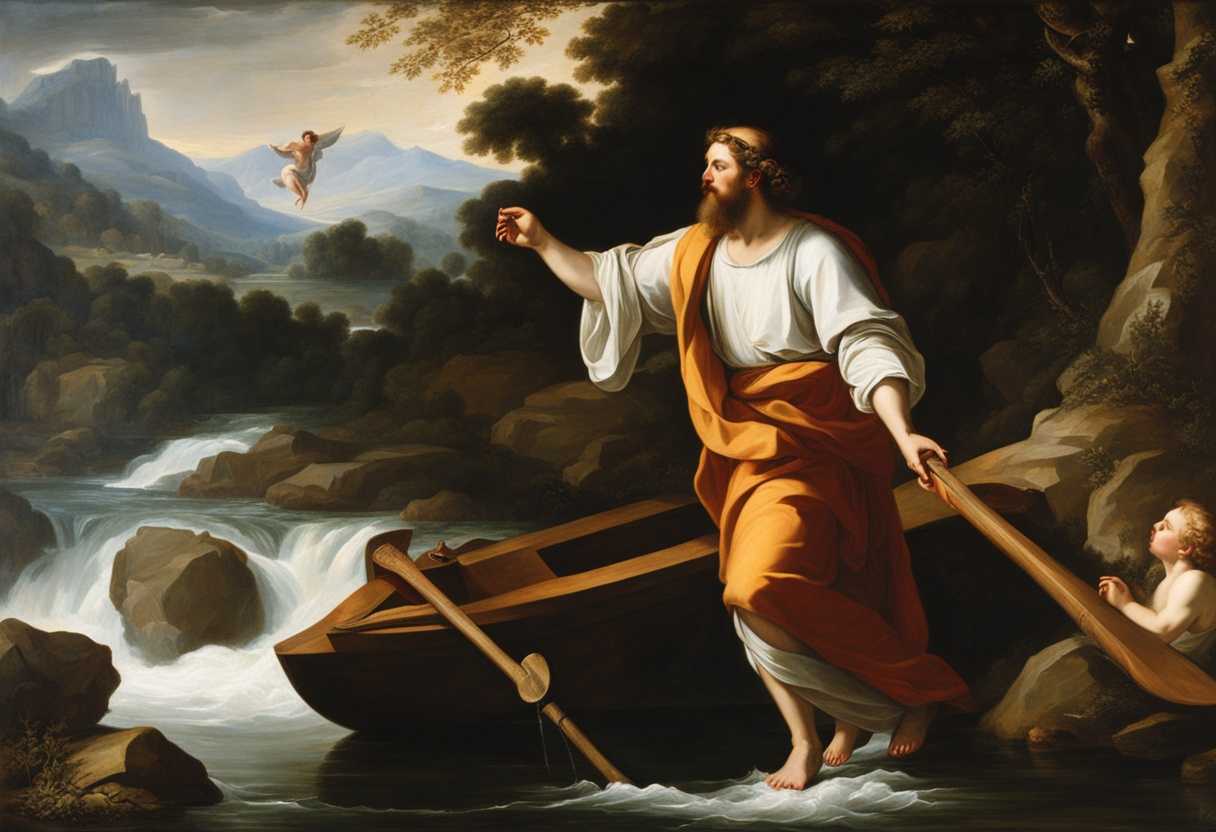
What the Bible Says About the Meaning of the Floating Axe Head
The story of the floating axe head, found in 2 Kings 6:1-7, illustrates God’s power over nature and His ability to perform miracles in response to human needs. It also emphasizes themes of faith and divine assistance, as the prophet Elisha restores the lost axe head to its owner, demonstrating God’s care for the everyday…
-

What the Bible Says: The Meaning of Each Parable
Biblical parables are simple, vivid stories that convey moral or spiritual lessons, often using everyday situations to illustrate deeper truths about God’s kingdom, human behavior, and divine principles. They are used by Jesus and other biblical figures to teach and provoke thought among listeners. Scripture 1 That same day Jesus went out of the house…
-
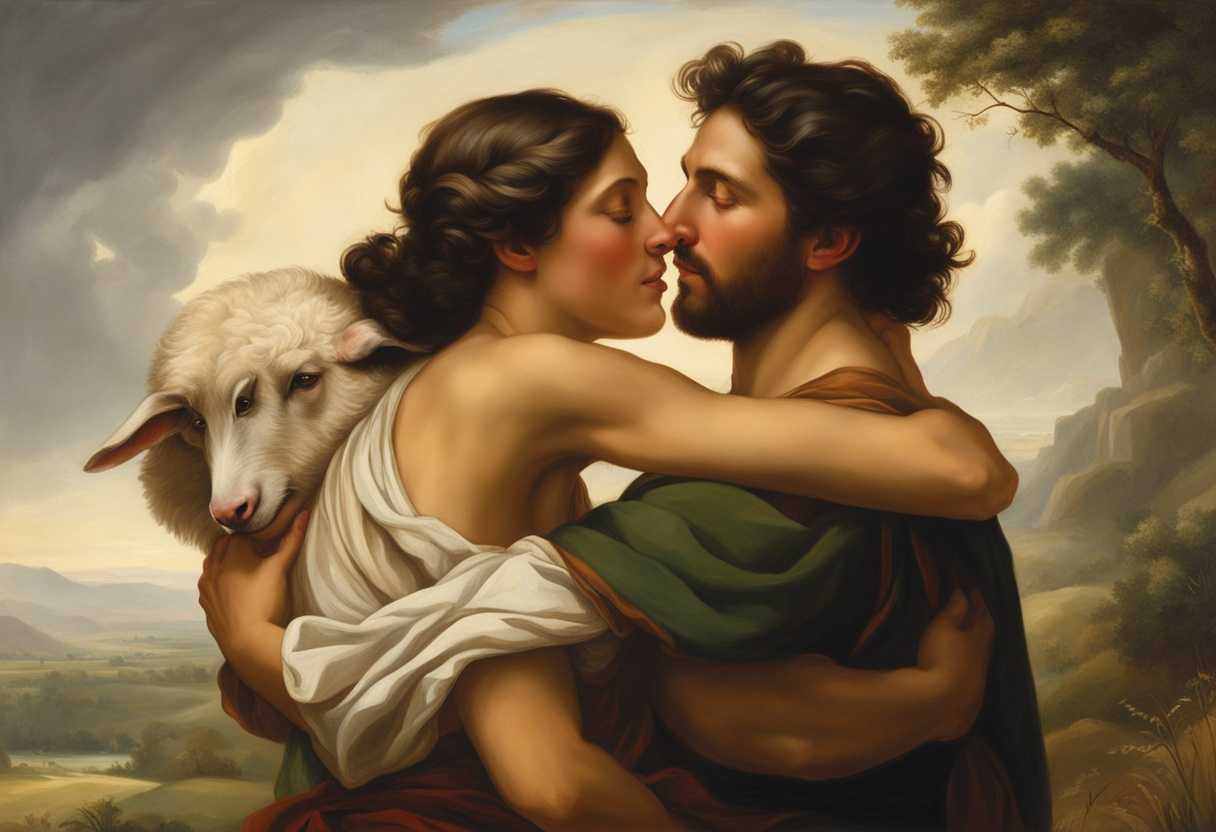
What the Bible Says About the Lost Sheep: Understanding Its Meaning
The parable of the lost sheep, found in Luke 15:1-7, illustrates God’s deep concern for each individual, emphasizing that He rejoices more over one sinner who repents than over ninety-nine righteous people who do not need repentance. It highlights God’s relentless pursuit of the lost and His desire for restoration and reconciliation. Scripture 10 “See…