
Category: Places and Locations
-

What the Bible Says About Joppa: Its Meaning and Significance
In the Bible, Joppa (modern-day Jaffa) is a port city on the Mediterranean coast known for being a place of significant events, including the harbor from which Jonah attempted to flee to Tarshish (Jonah 1:3) and the location where Peter raised Tabitha from the dead (Acts 9:36-42). It symbolizes transition and divine call, serving as…
-

What the Bible Says About the Qumran Community and Its Meaning
Qumran is the site near the Dead Sea where the Dead Sea Scrolls were discovered, believed to be associated with a Jewish sect known as the Essenes. In the biblical context, it is significant for its role in the preservation of Jewish texts and the potential insights it provides into the religious practices and beliefs…
-
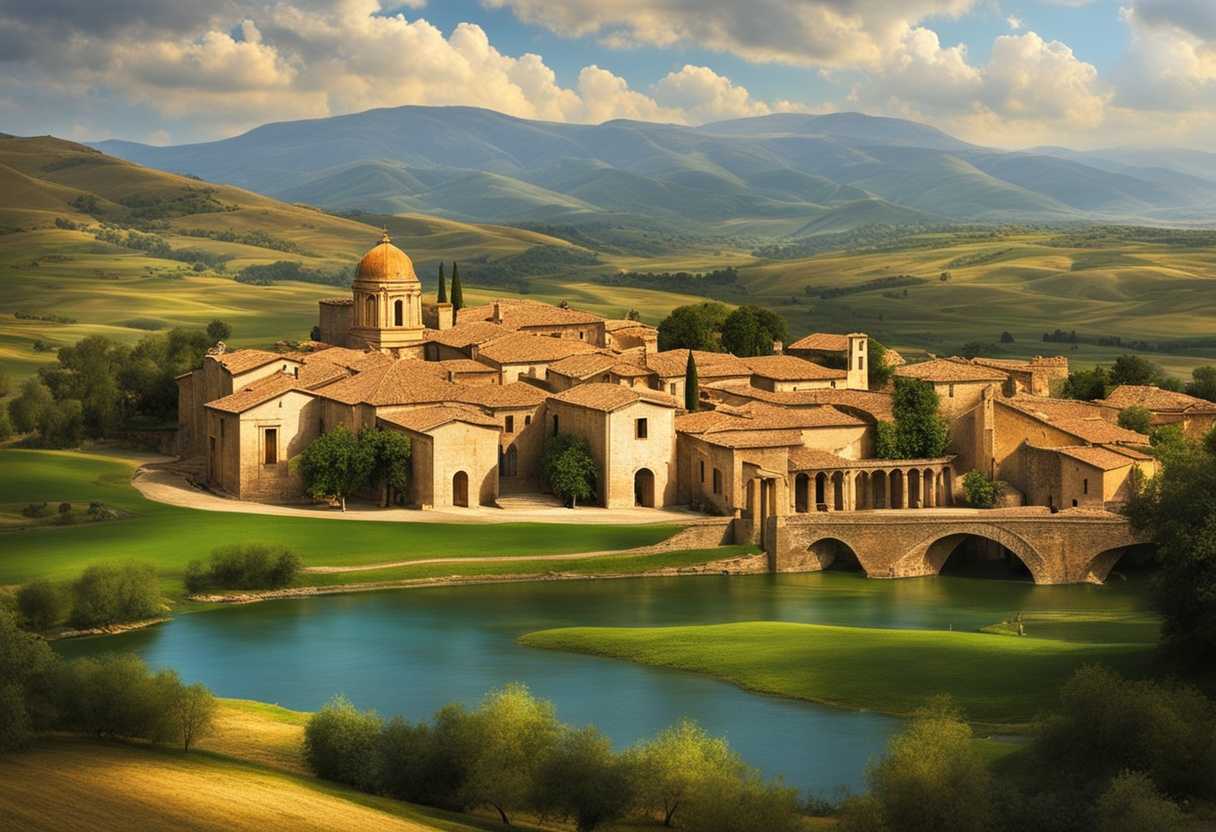
What the Bible Says About Timnath: Its Meaning and Significance
Timnath, also known as Timnath Serah, is a biblical location mentioned in the book of Joshua (Joshua 19:50, 24:30) as the city given to Joshua as his inheritance. The name Timnath is often associated with “portion” or “allotment,” reflecting the significance of God’s provision for His people. Scripture 49 When they had finished distributing the…
-
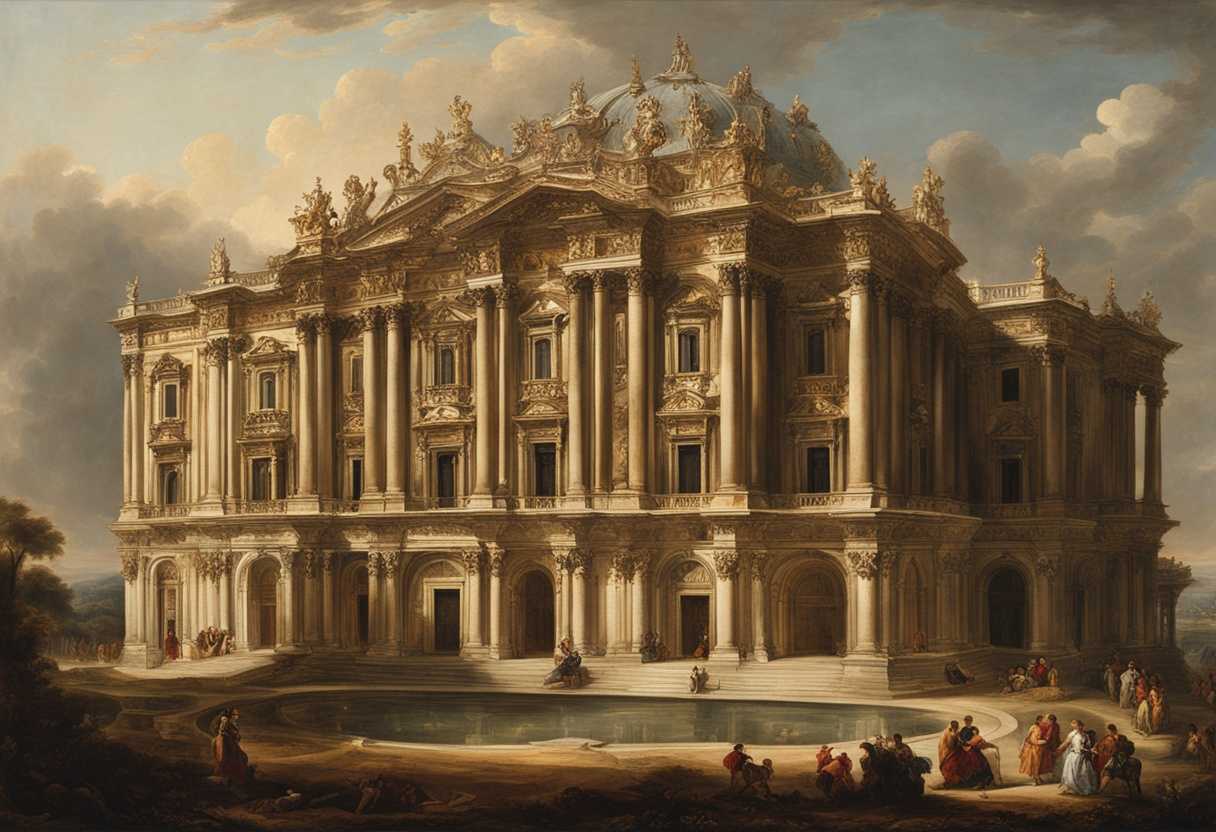
What the Bible Says About the Meaning of Palace
In the Bible, a palace often represents power, authority, and worldly wealth, serving as the residence of kings and the site of governance (e.g., 1 Kings 7:1-12). It can also symbolize human pride and the transient nature of earthly kingdoms (Isaiah 13:19). Scripture 7 Solomon was building his own house thirteen years, and he finished…
-
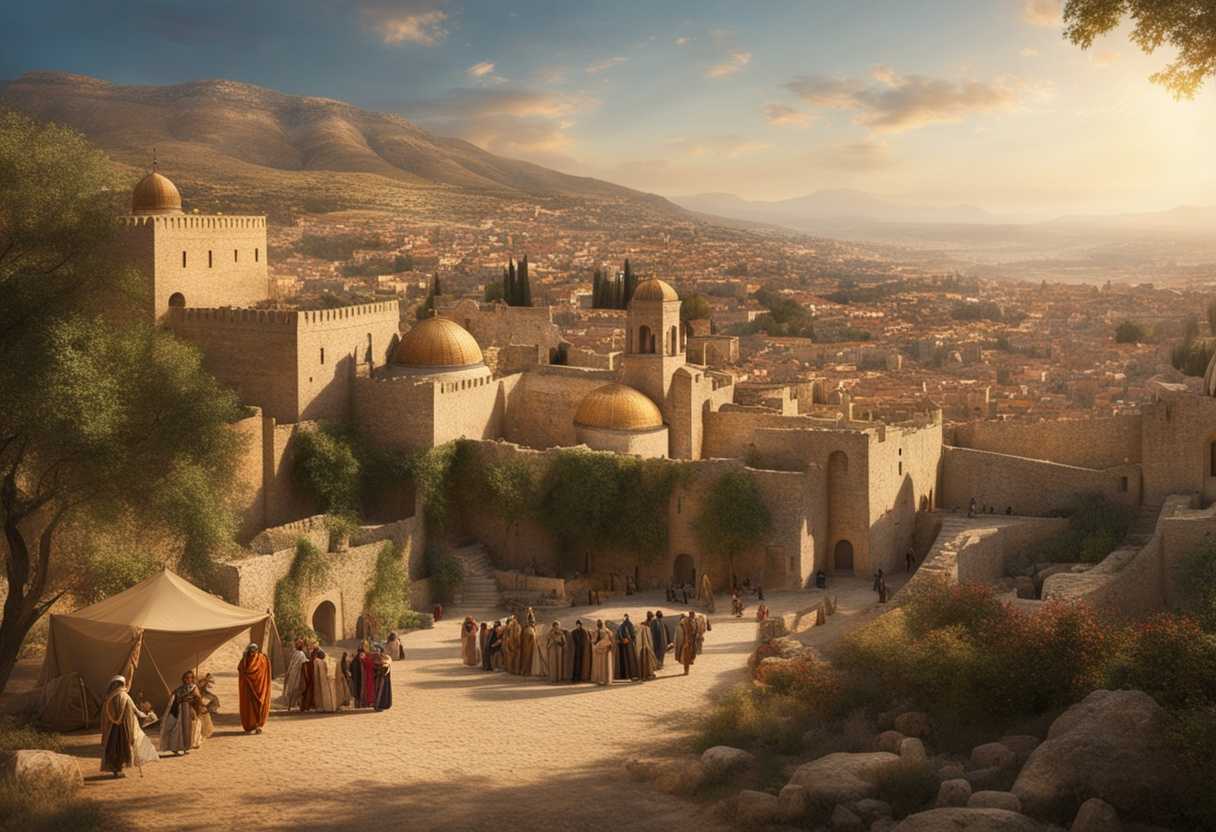
What the Bible Says About the Hittites and Jebusites: Their Meaning and Significance
The Hittites and Jebusites were ancient peoples mentioned in the Bible, representing specific Canaanite tribes inhabiting the land of Canaan before the Israelites. The Hittites are often associated with a powerful empire in Anatolia, while the Jebusites are known for occupying Jerusalem, which was later conquered by King David. Scripture 15 Canaan fathered Sidon his…
-

What the Bible Says About Bochim: Understanding Its Meaning and Significance
Bochim, meaning “weeping” in Hebrew, refers to a site mentioned in the Book of Judges (Judges 2:1-5) where the Israelites wept after the Angel of the Lord rebuked them for their disobedience and idolatry. It symbolizes a moment of sorrow and repentance in the history of Israel. Scripture 1 Now the angel of the Lord…
-

What the Bible Says About the Meaning of Enon
Enon is a location mentioned in the Bible, specifically in the Gospel of John (John 3:23), where it is noted as a place with abundant water, suitable for baptisms. The name “Enon” is derived from the Hebrew word meaning “spring” or “fountain.” Scripture 23 John also was baptizing at Aenon near Salim, because water was…
-

What the Bible Says About Hiddekel: Meaning and Significance
Hiddekel, often identified with the Tigris River, is one of the four rivers mentioned in Genesis 2:14 that flow from the Garden of Eden. The name “Hiddekel” is thought to mean “rapid” or “swift,” reflecting the river’s fast-flowing nature. Scripture 10 A river flowed out of Eden to water the garden, and there it divided…
-
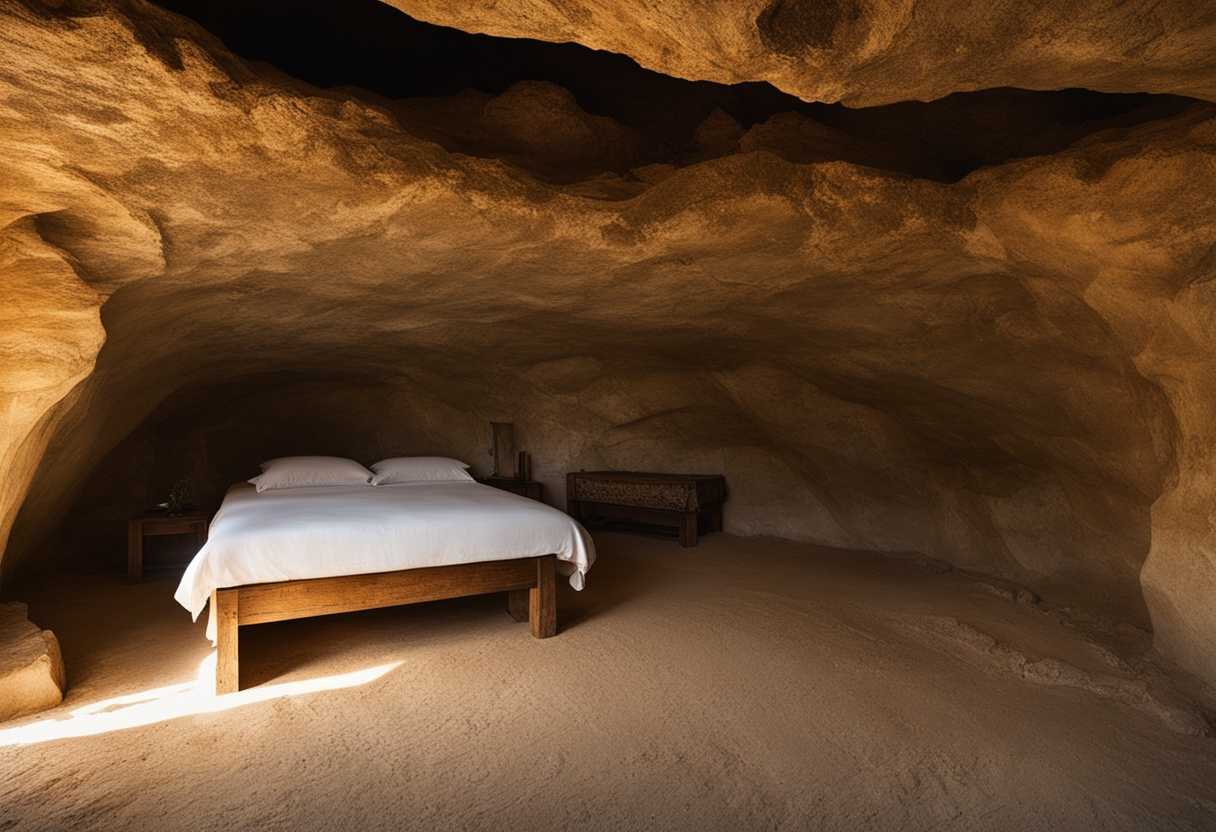
What the Bible Says About Machpelah: Its Meaning and Significance
Machpelah is the name of the cave near Hebron that Abraham purchased as a burial site for his wife Sarah, marking it as the first piece of the Promised Land owned by the patriarchs. It symbolizes the enduring covenant between God and Abraham’s descendants, serving as a significant ancestral burial site for future generations. Scripture…
-

What the Bible Says About the Meaning of Philistia
Philistia was an ancient region inhabited by the Philistines, located along the southeastern coast of the Mediterranean Sea. In the Bible, it often symbolizes opposition to Israel and serves as a setting for various conflicts, particularly with figures like Samson and David. Scripture 17 When Pharaoh let the people go, God did not lead them…