
Category: Places and Locations
-
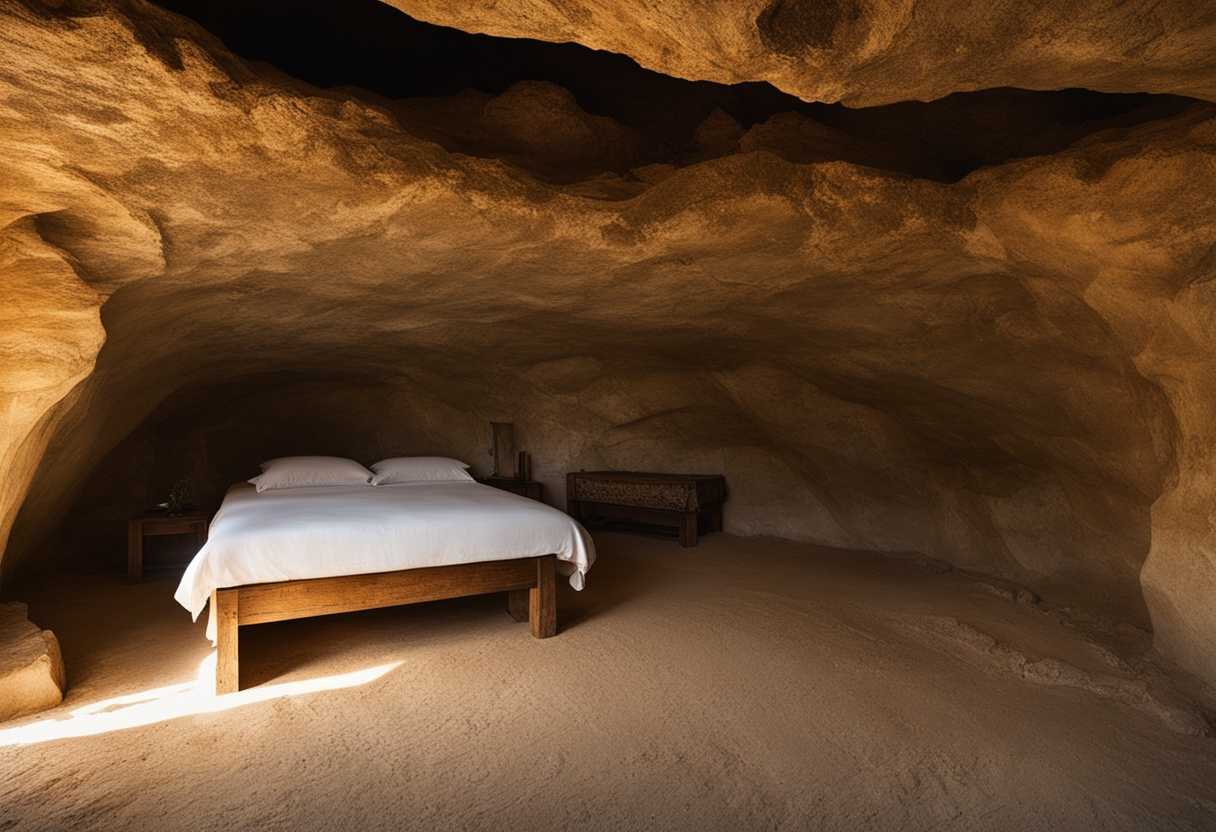
What the Bible Says About Machpelah: Its Meaning and Significance
Machpelah is the name of the cave near Hebron that Abraham purchased as a burial site for his wife Sarah, marking it as the first piece of the Promised Land owned by the patriarchs. It symbolizes the enduring covenant between God and Abraham’s descendants, serving as a significant ancestral burial site for future generations. Scripture…
-

What the Bible Says About the Meaning of Philistia
Philistia was an ancient region inhabited by the Philistines, located along the southeastern coast of the Mediterranean Sea. In the Bible, it often symbolizes opposition to Israel and serves as a setting for various conflicts, particularly with figures like Samson and David. Scripture 17 When Pharaoh let the people go, God did not lead them…
-

What the Bible Says About the Oaks of Bashan
In the Bible, the “Oaks of Bashan” are often referenced as symbols of strength and majesty, particularly in Psalm 22:12, where they are depicted as powerful trees in a land known for its rich vegetation. Bashan itself is associated with fertility and abundance, and the oaks represent stability and grandeur in contrast to human vulnerability.…
-

What the Bible Says About the Meaning of Mount Ararat
Mount Ararat is traditionally considered the resting place of Noah’s Ark after the Great Flood, as mentioned in Genesis 8:4. It symbolizes God’s covenant with humanity and His promise never to flood the Earth again. Scripture 1 But God remembered Noah and all the beasts and all the livestock that were with him in the…
-
What the Bible Says About the Significance of Moab
In the Bible, Moab is significant as a neighboring kingdom to Israel, often representing opposition to God’s people; it originated from the incestuous relationship between Lot and his elder daughter (Genesis 19:36-38). Moab is mentioned numerous times, including its conflicts with Israel and its eventual judgment, illustrating themes of sin and divine retribution (Isaiah 15-16).…