
Category: Spiritual and Theological Concepts
-
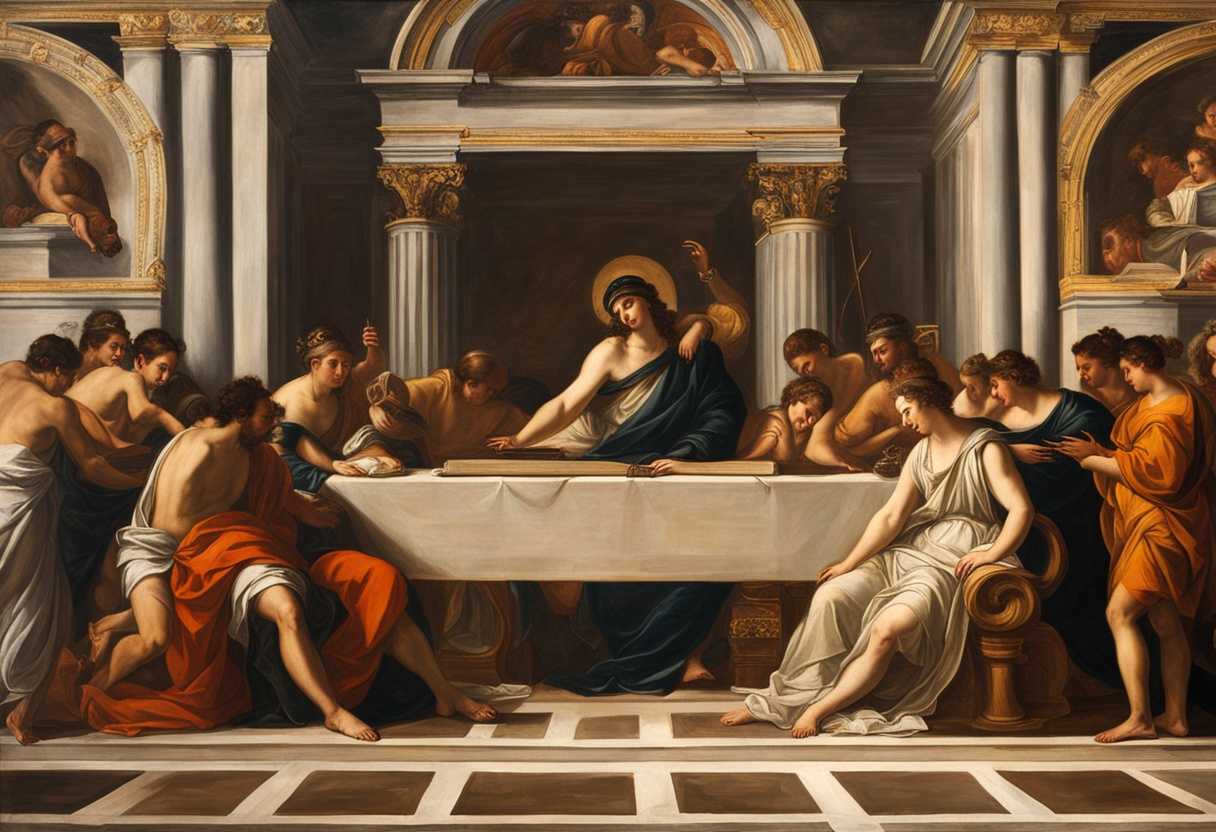
What the Bible Says: The Meaning of “Holy Bible” in Greek
The term “Holy Bible” in Greek is “Ἁγία Βίβλος” (Hagia Biblos), which translates to “Sacred Book.” It signifies the collection of sacred scriptures recognized by Christians as divinely inspired and authoritative. Scripture 16 All Scripture is breathed out by God and profitable for teaching, for reproof, for correction, and for training in righteousness, 17 that…
-

What the Bible Says About Being Made Whole
In the Bible, “made whole” often refers to a state of physical, emotional, or spiritual restoration and healing, as exemplified in instances like the healing of the sick or the forgiveness of sins (e.g., John 5:6-9). It signifies a complete transformation or return to a state of well-being and wholeness through divine intervention. Scripture 20…
-

What the Bible Says About the Meaning of Shen
In the Bible, “shen” refers to a horn, often symbolizing strength or power, as seen in various contexts such as “the horn of salvation” (Luke 1:69). It can also denote a musical instrument or an object used in rituals and ceremonies. Scripture 5 “Simeon and Levi are brothers; weapons of violence are their swords. 6…
-

What the Bible Says About Ancient Paths: Discovering Their Meaning
In the Bible, “ancient paths” refer to the time-tested ways of God’s teachings and the righteous living outlined in scripture. This phrase encourages believers to seek and walk in these established ways to find rest for their souls, as indicated in Jeremiah 6:16. Scripture 16 Thus says the Lord: “Stand by the roads, and look,…
-

What the Bible Says About the Meaning of the Bull
In the Bible, a bull often symbolizes strength, sacrifice, and wealth. It was commonly used in sacrificial rituals (e.g., Leviticus 1:3-5) and represents both physical power and the idea of atonement and devotion to God. Scripture 10 Then you shall bring the bull before the tent of meeting. Aaron and his sons shall lay their…
-
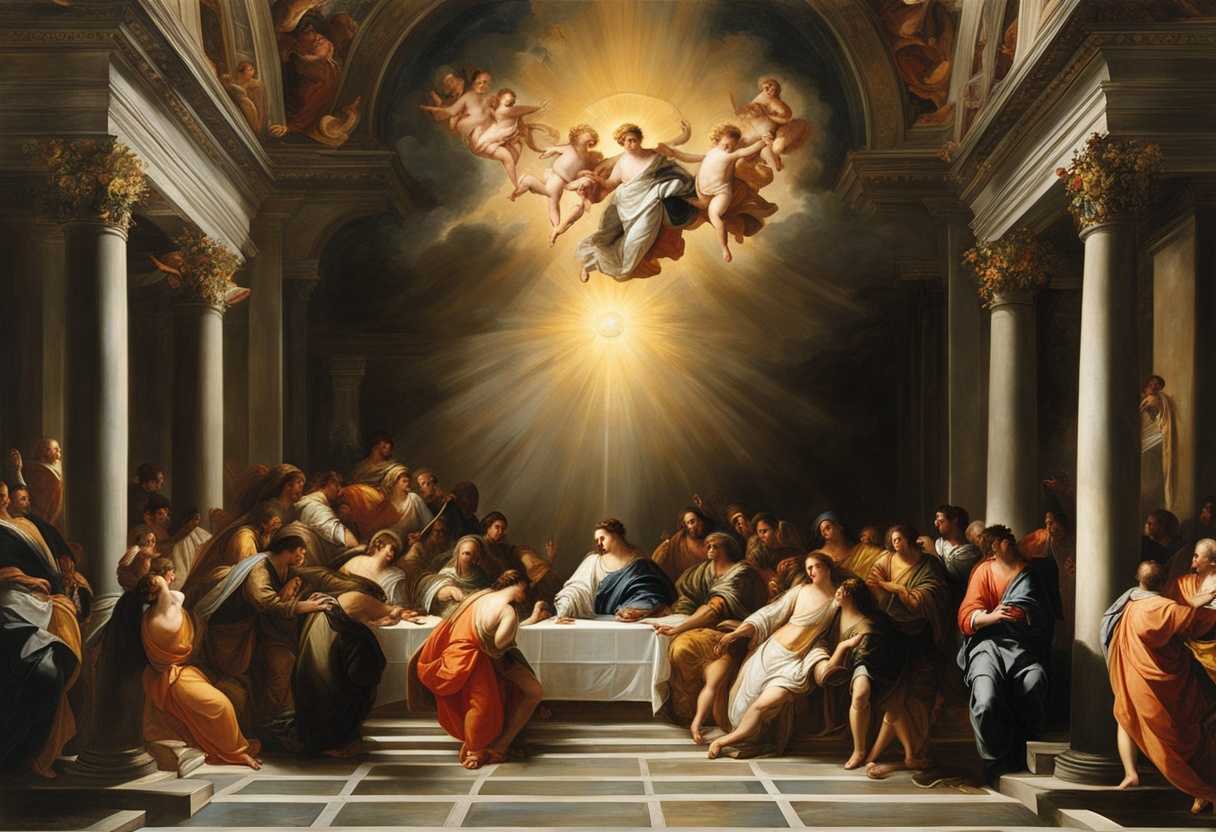
What the Bible Says About the Meaning of Divine Visitation
In the Bible, divine visitation refers to God’s intervention in the lives of individuals or nations, often marked by a significant manifestation of His presence, guidance, or judgment. Such visitations can lead to transformation, deliverance, or revelation, demonstrating God’s active involvement in human affairs. Scripture 1 And the Lord appeared to him by the oaks…
-
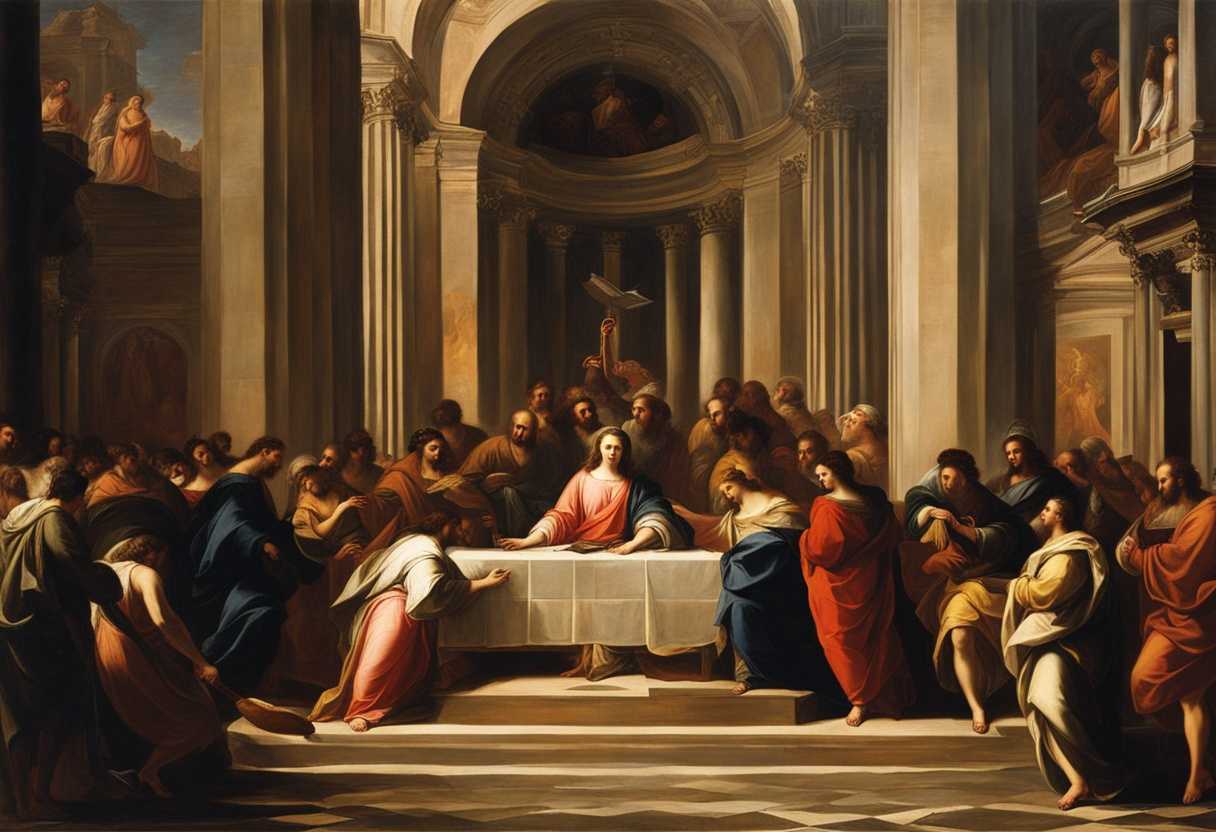
What the Bible Says About the Gift of God
In the Bible, God’s gift is often understood as His grace and favor bestowed upon humanity, exemplified in the gift of salvation through Jesus Christ (Ephesians 2:8-9). Additionally, spiritual gifts are described as abilities given by the Holy Spirit to believers for the edification of the church and service to others (1 Corinthians 12:4-7). Scripture…
-
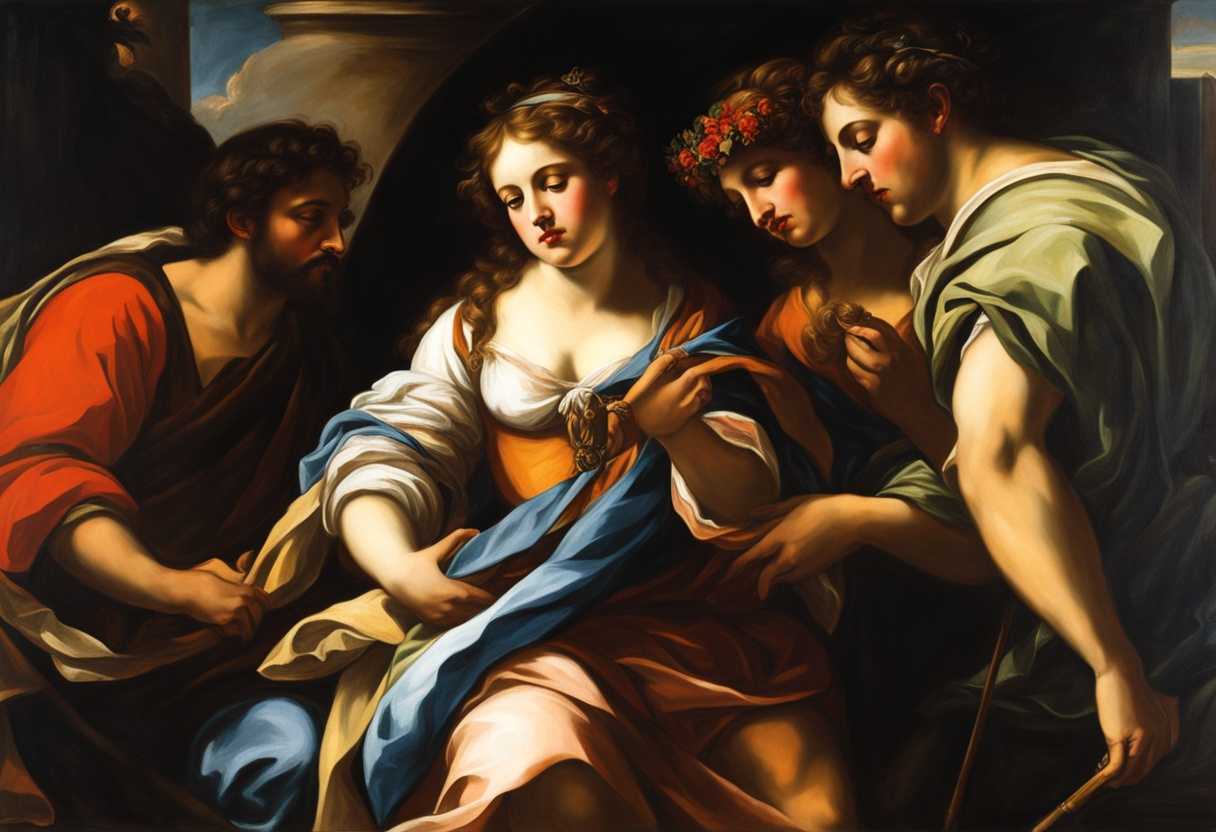
What the Bible Says About the Image of Jealousy
In the Bible, jealousy often refers to an intense desire for what someone else possesses or a feeling of resentment toward another’s success or advantages. It is depicted both as a human emotion, which can lead to strife and sin (Proverbs 14:30), and as a divine attribute, where God is described as jealous for His…
-
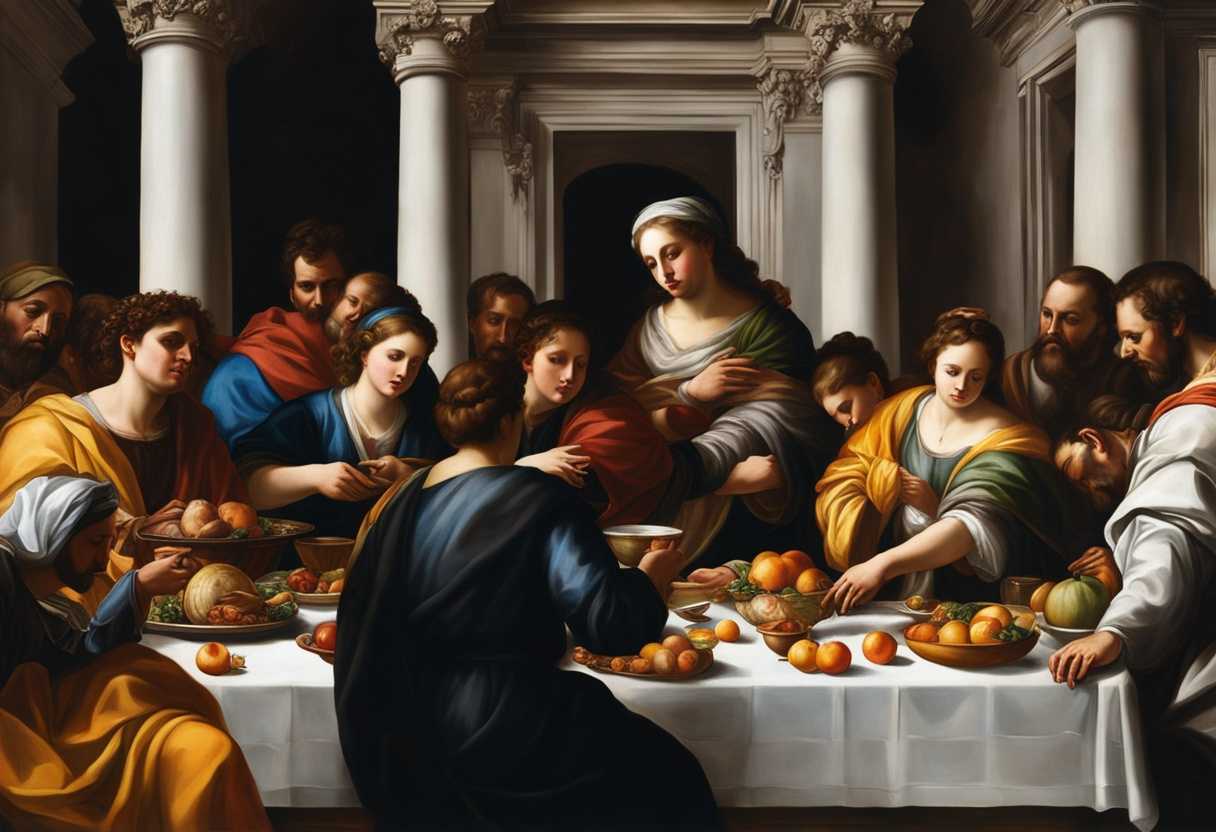
What the Bible Says About the Meaning of Ministration
Ministration in the Bible refers to acts of service, assistance, or ministry, often related to the spiritual care and support provided by individuals or groups within the church. It emphasizes the role of believers in serving God and others through various forms of support, teaching, and care, as illustrated in passages like Acts 6:1-4, where…
-

What the Bible Says About the Pride of Life
In the Bible, the “pride of life” refers to a deep-seated arrogance and self-sufficiency, often associated with materialism and a focus on worldly status and achievements. It is mentioned in 1 John 2:16, where it is described as one of the three sources of temptation that lead individuals away from a relationship with God. Scripture…