
Category: Spiritual and Theological Concepts
-

What the Bible Says About Graciousness
In the Bible, graciousness refers to the quality of being kind, compassionate, and forgiving, reflecting God’s unmerited favor towards humanity. It often emphasizes the importance of showing kindness to others, as seen in passages like Ephesians 4:32, where believers are encouraged to be kind and compassionate, mirroring God’s grace. Scripture 6 The Lord passed before…
-

What the Bible Says About the Nephilim: Understanding Their Meaning
The Nephilim are described in the Bible as “the mighty men who were of old, the men of renown,” and are mentioned in Genesis 6:1-4 as the offspring of the “sons of God” and the “daughters of men.” Their exact nature and identity remain a subject of debate among scholars, often interpreted as giants or…
-

What the Bible Says About Conscience: Understanding Its Meaning
In the Bible, conscience is described as an inner sense that distinguishes right from wrong, guiding individuals in moral decisions (Romans 2:15). It serves as a mechanism for conviction and moral awareness, prompting believers to act in accordance with God’s will and standards. Scripture 14 For when Gentiles, who do not have the law, by…
-

What the Bible Says About the Meaning of a Seer
In the Bible, a “seer” refers to a prophet or someone who has been given the ability to see visions or revelations from God, often providing guidance or insight into future events. The term emphasizes the spiritual perception and clarity granted to the individual by divine inspiration. Scripture 9 (Formerly in Israel, when a man…
-

What the Bible Says About Assurance: A Definition and Exploration
In the Bible, assurance refers to a deep sense of confidence and certainty in God’s promises and faithfulness. It encompasses the belief in salvation through faith in Christ, as seen in verses like Romans 8:16, where the Spirit assures believers of their identity as God’s children. Scripture 19 Therefore, brothers, since we have confidence to…
-

What the Bible Says About Lucifer: Understanding His Meaning and Role
In the Bible, “Lucifer” is often associated with a fallen angel or the morning star, as referenced in Isaiah 14:12, where it describes the downfall of a once-exalted being. The term signifies pride and rebellion against God, traditionally linked to the figure of Satan. Scripture 12 “How you are fallen from heaven, O Day Star,…
-

What the Bible Says About Unleavened Bread: Its Meaning and Significance
Unleavened bread in the Bible symbolizes purity and separation from sin, as leaven is often associated with corruption or falsehood. It is a key element in the Feast of Unleavened Bread, commemorating the Israelites’ hurried departure from Egypt, as they had no time to let their bread rise (Exodus 12:17-20). Scripture 15 Seven days you…
-
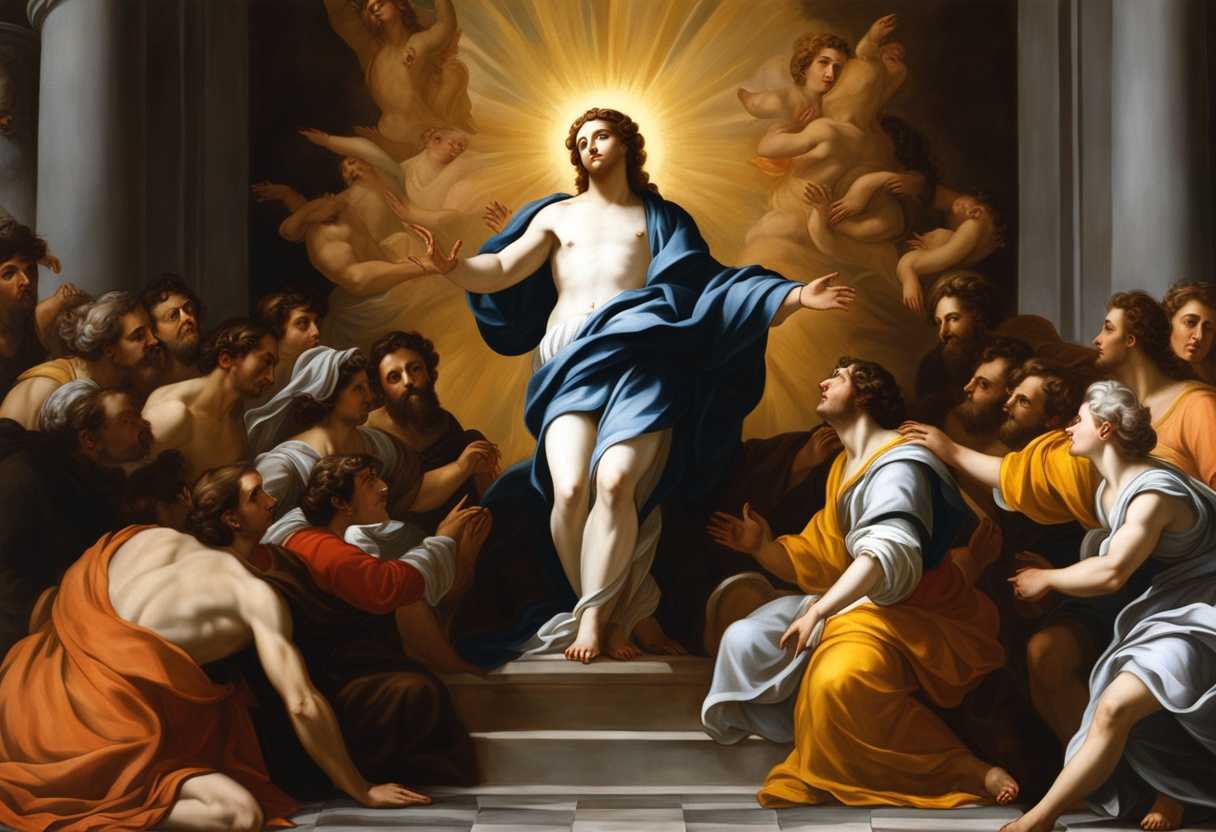
What the Bible Says About the Definition of a Savior
In the Bible, a Savior is one who rescues or delivers others from danger or sin, most notably Jesus Christ, who is described as the Savior of humanity through His sacrificial death and resurrection (John 3:16; Acts 4:12). The role of a Savior encompasses the idea of bringing salvation, healing, and reconciliation with God. Scripture…
-

What the Bible Says About Godspeed: Understanding Its Meaning
The term “Godspeed” in the Bible conveys a wish for the well-being and success of someone embarking on a journey or endeavor, reflecting a prayerful blessing for divine protection and guidance. It is often associated with the sending forth of missionaries or those parting ways, encapsulating a sense of hope and goodwill. Scripture 12 And…
-

What the Bible Says About the Meaning of Seals
In the Bible, a seal represents authenticity, authority, and protection. It often signifies God’s ownership, as seen in the sealing of believers with the Holy Spirit (Ephesians 1:13-14), and also serves as a symbol of finality, as in the sealing of tombs or documents. Scripture 1 Then I saw in the right hand of him…