
Category: Spiritual and Theological Concepts
-
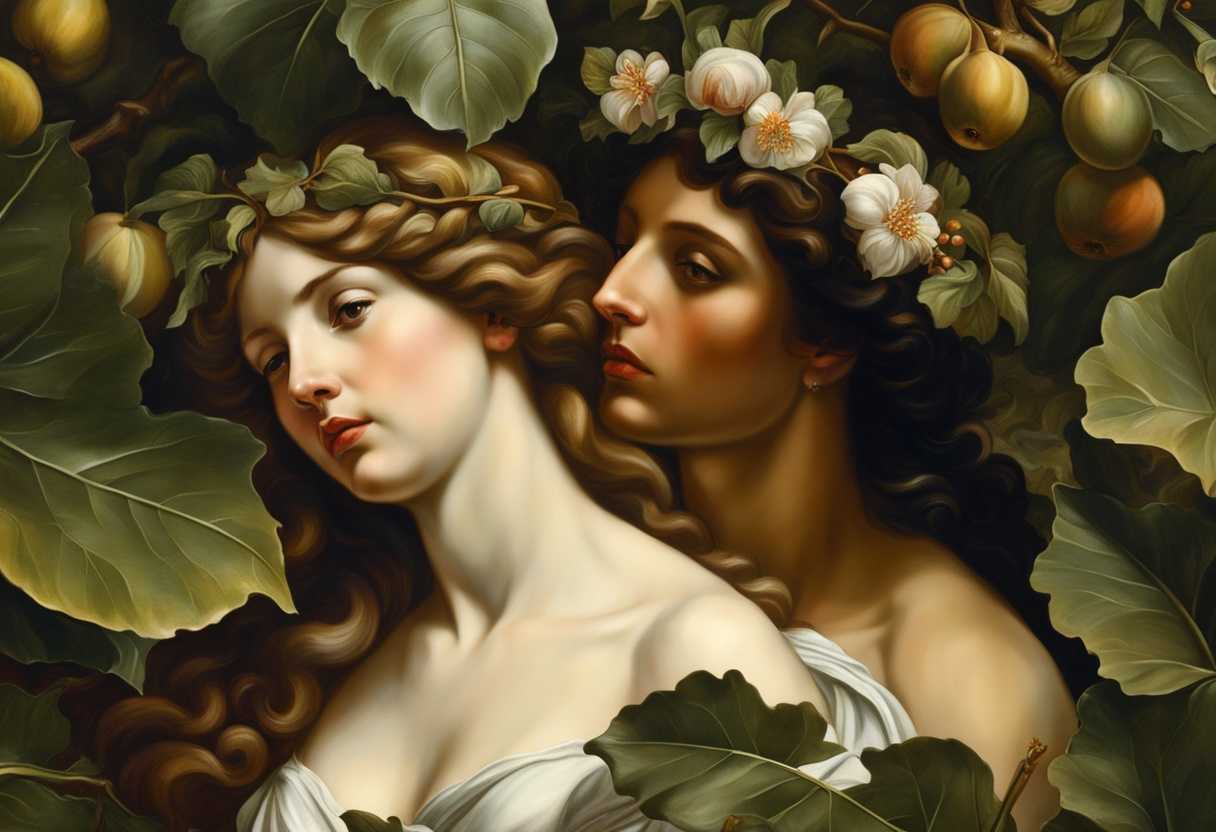
What the Bible Says About the Fig Leaf: A Symbol of Shame and Covering
In the Bible, fig leaves symbolize the attempt to cover one’s shame and sin, as seen in Genesis 3:7 when Adam and Eve used them to hide their nakedness after disobeying God. This act represents human efforts to hide from God and the consequences of sin. Scripture 7 Then the eyes of both were opened,…
-

What the Bible Says About the In-Depth Meaning of Humble
In the Bible, humility is the quality of being modest or lowly in one’s own estimation, recognizing one’s dependence on God and willingness to serve others (James 4:10; Philippians 2:3). It is often seen as a foundational virtue that leads to wisdom and grace, as exemplified by Jesus’ teaching to be a servant rather than…
-

What the Bible Says About Logos: Understanding Its Definition and Significance
In the Blue Letter Bible, “Logos” typically refers to the Word of God or divine reason, often associated with Christ as the preexistent Word in John 1:1. It signifies the creative order and the expression of God’s will. Scripture 1 In the beginning was the Word, and the Word was with God, and the Word…
-
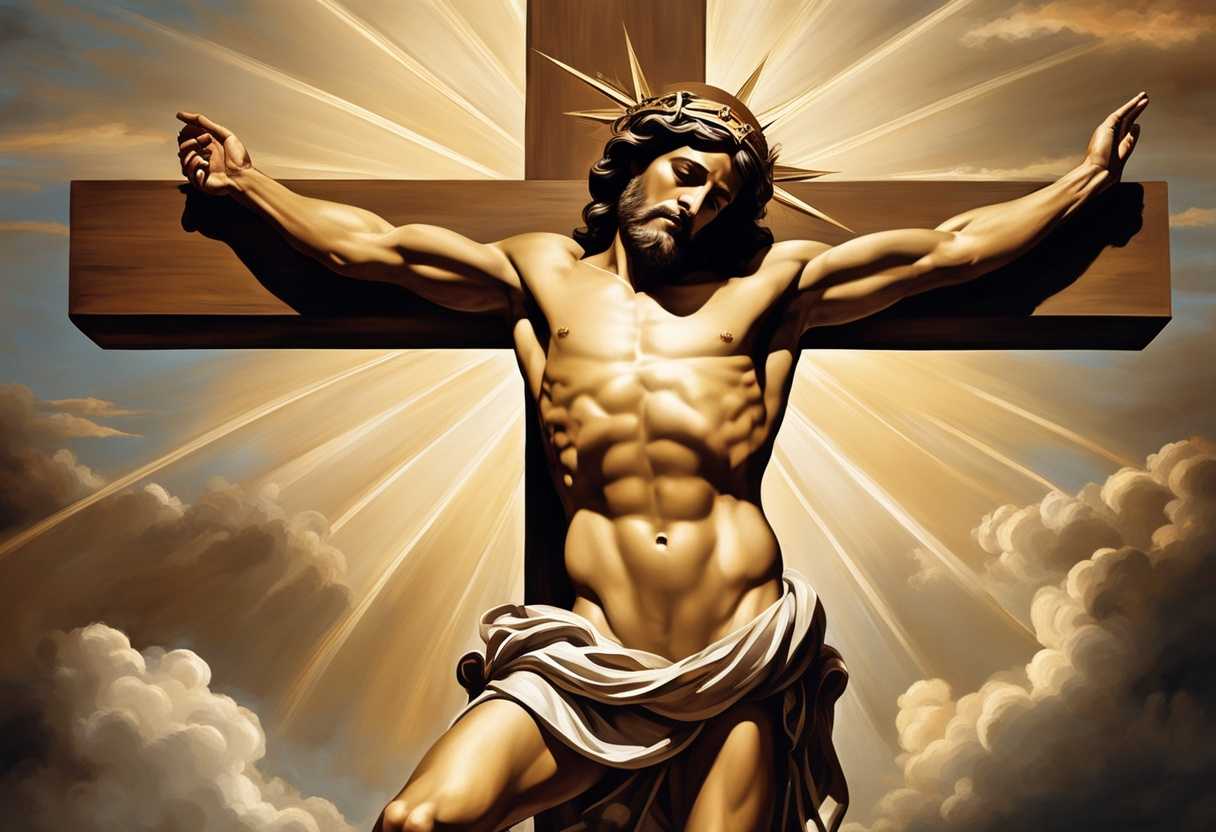
What the Bible Says About Propitiation: Understanding Its Meaning
In the Bible, “propitiation” refers to the act of appeasing or satisfying God’s wrath through a sacrificial offering. This concept is most clearly illustrated in the New Testament, where Jesus Christ is described as the propitiation for sins, indicating His sacrifice reconciles believers to God (1 John 2:2). Scripture 1 My little children, I am…
-

What the Bible Says About the Definition of Lord
In the Bible, the term “Lord” often refers to God or Jesus Christ, signifying supreme authority, divinity, and sovereignty. It conveys a sense of reverence and acknowledgment of His power and governance over all creation. Scripture 13 Then Moses said to God, “If I come to the people of Israel and say to them, ‘The…
-

What the Bible Says About Pestilence: Understanding Its Meaning and Significance
In the Bible, “pestilence” refers to a deadly disease or plague that causes widespread suffering and death, often seen as a form of divine judgment or punishment (e.g., Exodus 15:26, Deuteronomy 28:21-22). It symbolizes God’s power to bring calamity upon disobedience while also serving as a call for repentance. Scripture 1 Then the Lord said…
-

What the Bible Says About Self-Control: Understanding Its Meaning
In the Bible, self-control is defined as the ability to exercise restraint over one’s desires and impulses, often viewed as a fruit of the Spirit (Galatians 5:22-23). It is considered essential for leading a disciplined life that aligns with God’s will and moral standards. Scripture 27 It is not good to eat much honey, nor…
-

What the Bible Says About the Meaning of Holiness
In the Bible, holiness refers to the state of being sacred, set apart, and morally pure, reflecting God’s divine nature. It signifies a commitment to live according to God’s will and standards, often associated with purity, righteousness, and awe in the presence of God. Scripture And the Lord spoke to Moses, saying, 2 “Speak to…
-

What the Bible Says About the Redeemer: Definition and Significance
In the Bible, a Redeemer is one who saves or rescues, often referring to God or Jesus Christ who delivers humanity from sin and death through sacrifice. The concept is rooted in the Hebrew tradition of kinsman-redeemer, where a relative restores the rights and fortunes of a family member in need (Ruth 4:14-15). Scripture 21…
-

What the Bible Says About the Meaning of a Prophet
In the Bible, a prophet is defined as a messenger chosen by God to deliver His messages and teachings to the people, often foretelling future events or calling for repentance. Prophets serve as spiritual leaders and guide the community in understanding God’s will. Scripture 15 “The Lord your God will raise up for you a…