
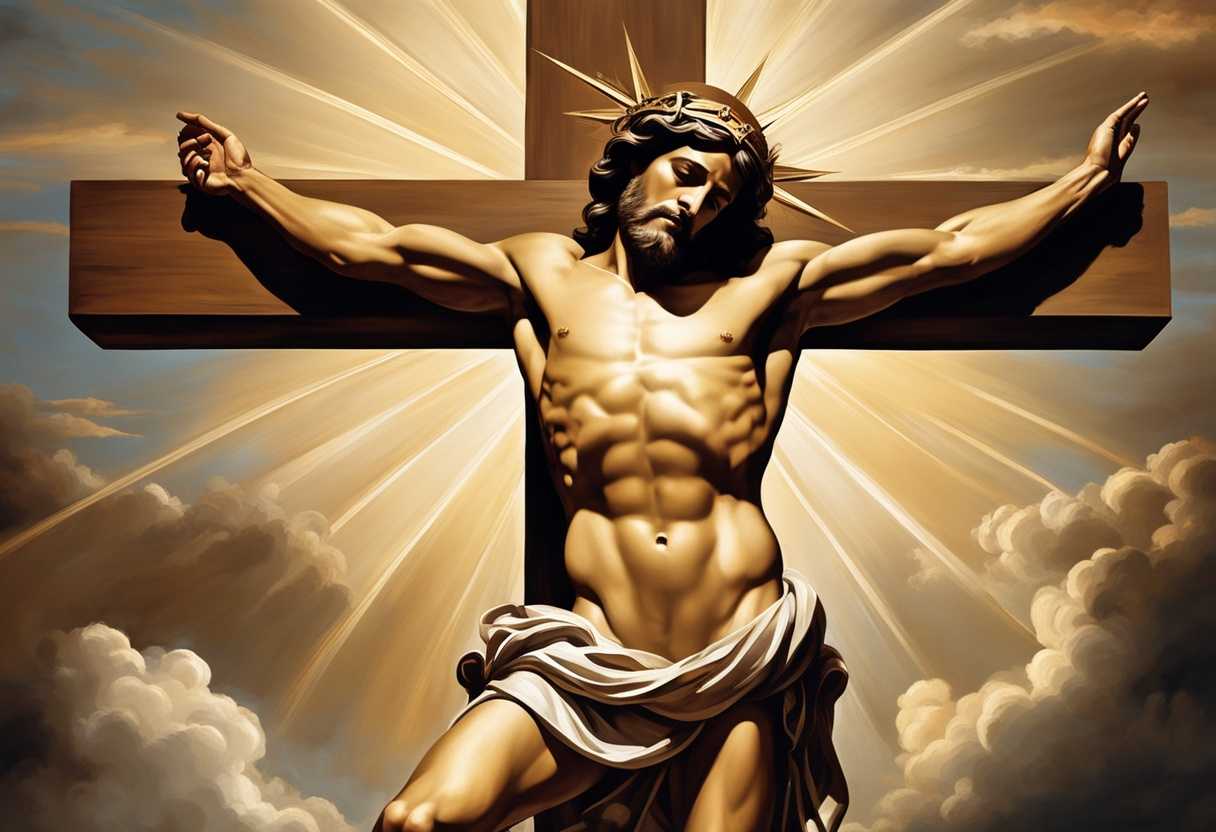
In the Bible, “propitiation” refers to the act of appeasing or satisfying God’s wrath through a sacrificial offering. This concept is most clearly illustrated in the New Testament, where Jesus Christ is described as the propitiation for sins, indicating His sacrifice reconciles believers to God (1 John 2:2).
Scripture
1 My little children, I am writing these things to you so that you may not sin. But if anyone does sin, we have an advocate with the Father, Jesus Christ the righteous.
2 He is the propitiation for our sins, and not for ours only but also for the sins of the whole world.
Understanding Propitiation in the Bible
The concept of propitiation in the Bible reflects the profound necessity of atonement for sin due to God’s holiness and justice. In 1 John 2:2, the Apostle John articulates that Jesus serves as the propitiation for our sins, indicating that through His sacrificial death, He satisfied the wrath of God that was directed toward sinners. This notion is also present in Romans 3:25, where Paul describes Jesus as the “propitiation by His blood,” emphasizing that it is through His atoning sacrifice that humanity is offered reconciliation and forgiveness. This aligns with Old Testament practices, where sacrificial offerings were made to atone for sin, pointing towards the ultimate sacrifice of Christ. For instance, Leviticus 16 outlines the Day of Atonement, where the scapegoat symbolically carried the sins of the people into the wilderness, illustrating the need for sin to be addressed in order for the relationship between God and humanity to be restored.
Furthermore, propitiation encompasses themes of grace and mercy, underscoring that through the sacrifice of Jesus, believers are not merely absolved from sin but are also welcomed into a restored relationship with God. Romans 5:9 states that through Christ’s blood, we are justified and saved from God’s wrath, reinforcing the belief that His sacrifice is central to the Christian faith. This understanding of propitiation serves not only as a theological foundation for salvation but also as an invitation to live in accordance with God’s will, reflecting the gratitude and love that arise from being reconciled through Christ’s sacrifice. Ultimately, the idea of propitiation encapsulates the transformative power of God’s grace in the believer’s life, highlighting the importance of Christ’s death and resurrection as the crux of the Gospel message.
The theme of propitiation is further explored in the context of the Old Testament sacrificial system, which provides a rich backdrop for understanding its significance in the New Testament. For example, in the sacrificial ritual described in Exodus 30:10, the idea of atonement is exemplified through the annual sin offerings made by the high priest, who would make atonement for the sins of the people. The blood of the sacrificial animal was believed to cover the sins, preventing the judgment of God from falling upon the community. This act of atonement served as a prelude to the ultimate sacrifice of Jesus, embodying the requirement of blood for the remission of sins, as later articulated in Hebrews. Here, the author emphasizes that Christ’s sacrifice is not just a continuation of these rituals but a once-for-all act that fulfills and surpasses the old covenant, rendering the previous systems obsolete.
Moreover, propitiation highlights not just the aspect of appeasing God’s wrath but also illustrates the depth of divine love and commitment to humanity. It is a manifestation of God’s desire to restore the broken fellowship caused by sin. In the broader narrative of Scripture, the theme of propitiation speaks of a God who actively engages in reconciliation. In the Gospel accounts, particularly in the teachings of Jesus, the invitation to repent and return to God underscores the access to grace made possible through propitiation. Believers are thus encouraged to reflect on how this act of divine mercy not only affects their standing before God but also compels them to extend grace and forgiveness to others, mirroring the love they have received. Consequently, understanding propitiation invites believers into a deeper exploration of their faith journey, transforming their relationship with God and their interactions within the community.
The Concept of Atonement
Propitiation in the Bible is closely linked to the idea of atonement, which refers to the reconciliation between God and humanity. It signifies the act of appeasing God’s wrath against sin through a sacrificial offering. This concept underscores the belief that sin creates a barrier between humans and God, and propitiation serves as a means to restore that broken relationship. The sacrificial system in the Old Testament illustrates this, where offerings were made to atone for the sins of the people, symbolizing the need for a mediator to bridge the gap caused by transgressions.
Divine Justice and Mercy
Another broader meaning of propitiation is the balance between divine justice and mercy. In the biblical narrative, God is portrayed as both just and merciful. Propitiation reflects how God’s justice demands a response to sin, while His mercy provides a way for forgiveness. This duality emphasizes that while sin incurs a penalty, God’s love and grace offer a path to redemption through the sacrificial death of Christ. Thus, propitiation is not merely about appeasing God’s anger but also about fulfilling His righteous requirements while extending His mercy to humanity.
The Assurance of Salvation
Propitiation also conveys the assurance of salvation for believers. It signifies that through Christ’s sacrificial death, the penalty for sin has been fully paid, allowing believers to approach God with confidence. This assurance is foundational to the Christian faith, as it emphasizes that salvation is not based on human efforts but on the completed work of Christ. The concept of propitiation reassures believers that they are accepted by God, free from condemnation, and can experience a restored relationship with Him, which is central to the message of the Gospel.
How to Embrace Atonement for a Better Christian Life
Embracing atonement is a transformative journey that can deepen your faith and enrich your Christian life. It begins with a sincere acknowledgment of our shortcomings and a heartfelt desire to seek forgiveness, both from God and those we may have wronged. Reflecting on passages like 1 John 1:9 reminds us that if we confess our sins, He is faithful and just to forgive us. This act of humility not only restores our relationship with God but also fosters a spirit of compassion and understanding towards others. As you practice atonement, consider how it can lead to reconciliation in your relationships, allowing you to embody Christ’s love and grace. Remember, atonement is not just a one-time event; it’s a continuous process of growth, learning, and striving to live in alignment with God’s will. Embrace this journey with an open heart, and you’ll find that it not only brings you closer to God but also transforms your interactions with the world around you.
Bible References to Propitiation Meaning:
1 John 4:9-10: In this the love of God was made manifest among us, that God sent his only Son into the world, so that we might live through him.
10 In this is love, not that we have loved God but that he loved us and sent his Son to be the propitiation for our sins.
Romans 3:23-25: 23 for all have sinned and fall short of the glory of God,
24 and are justified by his grace as a gift, through the redemption that is in Christ Jesus,
25 whom God put forward as a propitiation by his blood, to be received by faith. This was to show God’s righteousness, because in his divine forbearance he had passed over former sins.
Hebrews 2:14-17: 14 Since therefore the children share in flesh and blood, he himself likewise partook of the same things, that through death he might destroy the one who has the power of death, that is, the devil,
15 and deliver all those who through fear of death were subject to lifelong slavery.
16 For surely it is not angels that he helps, but he helps the offspring of Abraham.
17 Therefore he had to be made like his brothers in every respect, so that he might become a merciful and faithful high priest in the service of God, to make propitiation for the sins of the people.
1 Peter 2:21-24: 21 For to this you have been called, because Christ also suffered for you, leaving you an example, so that you might follow in his steps.
22 He committed no sin, neither was deceit found in his mouth.
23 When he was reviled, he did not revile in return; when he suffered, he did not threaten, but continued entrusting himself to him who judges justly.
24 He himself bore our sins in his body on the tree, that we might die to sin and live to righteousness. By his wounds you have been healed.
Isaiah 53:4-6: 4 Surely he has borne our griefs and carried our sorrows; yet we esteemed him stricken, smitten by God, and afflicted.
5 But he was pierced for our transgressions;
he was crushed for our iniquities;
upon him was the chastisement that brought us peace,
and with his wounds we are healed.
6 All we like sheep have gone astray;
we have turned—every one—to his own way;
and the Lord has laid on him
the iniquity of us all.
Leviticus 16:15-16: 15 “Then he shall kill the goat of the sin offering that is for the people and bring its blood inside the veil and do with its blood as he did with the blood of the bull, sprinkling it over the mercy seat and in front of the mercy seat.”
16 Thus he shall make atonement for the Holy Place, because of the uncleannesses of the people of Israel and because of their transgressions, all their sins. And so he shall do for the tent of meeting, which dwells with them in the midst of their uncleannesses.
Hebrews 9:11-14: 11 But when Christ appeared as a high priest of the good things that have come, then through the greater and more perfect tent (not made with hands, that is, not of this creation)
12 he entered once for all into the holy places, not by means of the blood of goats and calves but by means of his own blood, thus securing an eternal redemption.
13 For if the blood of goats and bulls, and the sprinkling of defiled persons with the ashes of a heifer, sanctify for the purification of the flesh,
14 how much more will the blood of Christ, who through the eternal Spirit offered himself without blemish to God, purify our conscience from dead works to serve the living God.
Romans 5:8-11: 8 but God shows his love for us in that while we were still sinners, Christ died for us.
9 Since, therefore, we have now been justified by his blood, much more shall we be saved by him from the wrath of God.
10 For if while we were enemies we were reconciled to God by the death of his Son, much more, now that we are reconciled, shall we be saved by his life.
11 More than that, we also rejoice in God through our Lord Jesus Christ, through whom we have now received reconciliation.
2 Corinthians 5:18-21: 18 All this is from God, who through Christ reconciled us to himself and gave us the ministry of reconciliation;
19 that is, in Christ God was reconciling the world to himself, not counting their trespasses against them, and entrusting to us the message of reconciliation.
20 Therefore, we are ambassadors for Christ, God making his appeal through us. We implore you on behalf of Christ, be reconciled to God.
21 For our sake he made him to be sin who knew no sin, so that in him we might become the righteousness of God.

Reverend Michael Johnson is an experienced Church Minister with a profound expertise in spirituality and guidance. With a serene presence and a compassionate heart, he has faithfully served his congregation for over 20 years, leading them on a spiritual journey towards inner peace and enlightenment. Reverend Johnson’s extensive knowledge of religious philosophies and profound understanding of human nature have made him a trusted confidant and mentor to many, as he seamlessly weaves his profound wisdom into life teachings. Reverend Johnson’s calming demeanor and empathetic nature continue to uplift and heal souls, nurturing a sense of unity and tranquility within his community.