
Category: Spiritual and Theological Concepts
-

What the Bible Says About the Meaning of Melchizedek
In the Bible, Melchizedek is described as the king of Salem and a priest of God Most High who blessed Abram (Abraham) and received tithes from him (Genesis 14:18-20). He is significant as a figure representing the priestly order that exists outside the Levitical priesthood, symbolizing a priesthood that is eternal and superior to the…
-
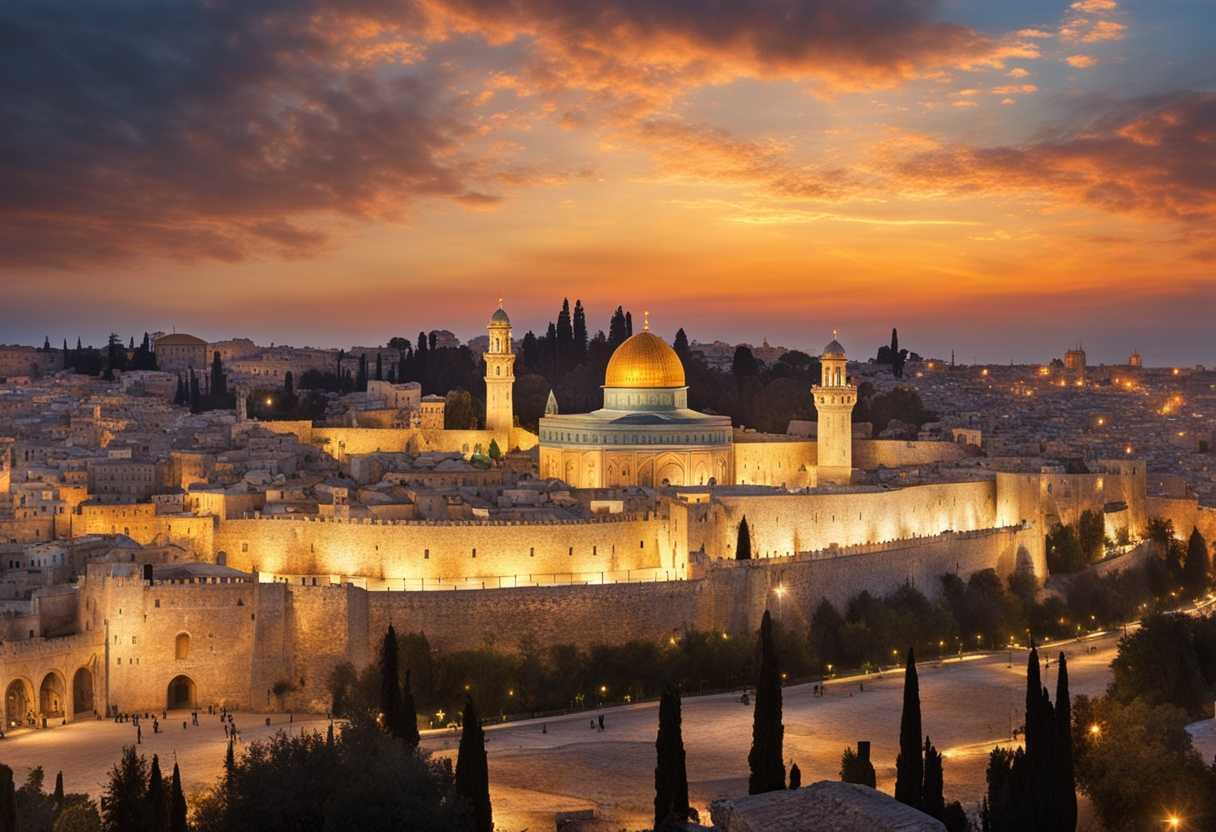
What the Bible Says About the Spiritual Meaning of Jerusalem
In the Bible, Jerusalem is often referred to as the “City of God” and symbolizes God’s presence among His people. It is the focal point of worship, the site of the Temple, and represents the fulfillment of God’s promises and the hope of redemption for humanity. Scripture 5 ‘Since the day that I brought my…
-

What the Bible Says About Fear: A KJV Perspective
In the Bible, particularly in the King James Version (KJV), fear is often depicted as a profound reverence and awe for God, as seen in Proverbs 1:7, which states, “The fear of the Lord is the beginning of knowledge.” It can also refer to a spirit of dread or anxiety in response to danger or…
-

What the Bible Says About Being Fearless
In the Bible, being fearless often refers to having courage and confidence in the face of adversity, grounded in faith and trust in God. Verses like Isaiah 41:10 emphasize that believers should not fear because God is with them, strengthening and upholding them. Scripture 6 Be strong and courageous, for you shall cause this people…
-

What the Bible Says About Being Enlightened
In the Bible, the term “enlightened” often refers to receiving spiritual insight or understanding, typically through divine revelation or the Holy Spirit (Ephesians 1:18). It denotes a transformation of the mind and heart that leads to a deeper comprehension of God’s truth and purpose (Psalm 119:130). Scripture 17 that the God of our Lord Jesus…
-

What the Bible Says About Marrow: Understanding Its Significance
In the Bible, “marrow” symbolizes the essence of life and health, often representing the nourishing quality of God’s word (Hebrews 4:12). It is also used metaphorically to describe deep spiritual vitality and richness (Proverbs 3:8). Scripture 5 Trust in the Lord with all your heart, and do not lean on your own understanding. 6 In…
-

What the Bible Says About Solitary Living
In the Bible, “solitary” often refers to a state of being alone or apart from others, sometimes emphasizing the need for personal reflection or communion with God. It can also imply a sense of loneliness or isolation, as seen in passages that highlight the importance of community and fellowship among believers. Scripture 18 Then the…
-
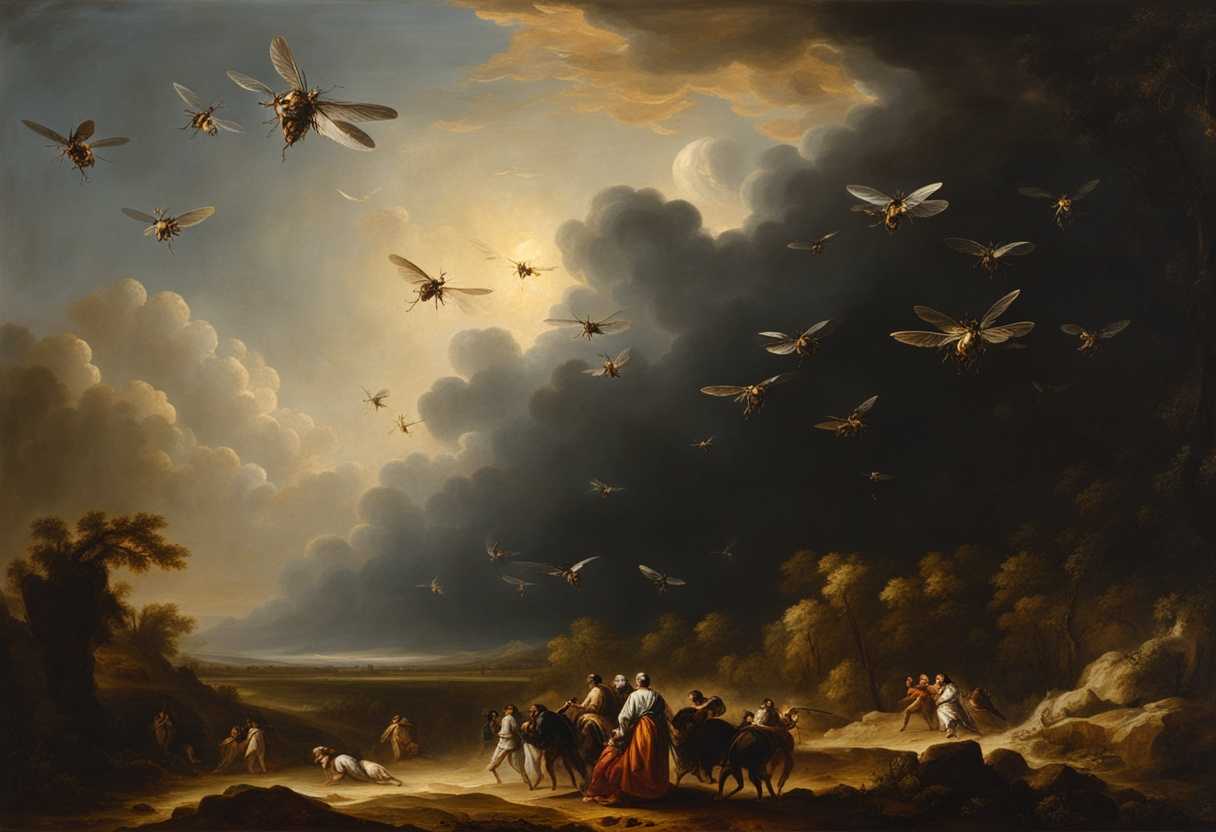
What the Bible Says About Gnats: Symbolism and Significance
In the Bible, gnats are often associated with judgment and plagues, notably in the plagues of Egypt where they are a manifestation of God’s power (Exodus 8:16-19). They symbolize the idea of being overwhelmed by pests, reflecting the consequences of disobedience and the spiritual significance of purification. Scripture 16 Then the Lord said to Moses,…
-

What the Bible Says About Vultures: Symbolism and Meaning
In the Bible, vultures are often associated with death and decay, serving as symbols of judgment and the consequences of sin (e.g., Matthew 24:28 and Revelation 19:17-18). They also represent God’s provision, as seen in the feeding of the prophet Elijah by ravens, a bird related to vultures, demonstrating that God watches over His creation…
-

What the Bible Says About Angelology: Understanding the Nature of Angels
Angelology in the Bible refers to the study of angels, their nature, roles, and significance as messengers and servants of God. It encompasses biblical texts that describe their creation, hierarchy, and functions, particularly in relation to humanity and divine revelation. Scripture 10 Jacob left Beersheba and went toward Haran. 11 And he came to a…