
Category: Spiritual and Theological Concepts
-

What the Bible Says About the Meaning of Archangels
In the Bible, archangels are described as high-ranking angels who serve significant roles in God’s hierarchy, often delivering important messages and leading other angels. The term is notably associated with Michael, who is referred to as an archangel in Jude 1:9, symbolizing strength and protection. Scripture 13 But we do not want you to be…
-

What the Bible Says About the Heart of Stone
In the Bible, the phrase “heart of stone” symbolizes a hardened, unresponsive, or rebellious attitude toward God and His ways (Ezekiel 36:26). It contrasts with a “heart of flesh,” which represents a soft, receptive, and obedient spirit. Scripture 19 And I will give them one heart, and a new spirit I will put within them.…
-

What the Bible Says About Tender Mercies
In the Bible, “tender mercies” refers to compassionate love and kindness, often attributed to God’s nature towards His creation. It signifies a deep emotional sensitivity and care for those in distress, highlighting God’s willingness to forgive and offer grace. Scripture 6 Remember your mercy, O Lord, and your steadfast love, for they have been from…
-

What the Bible Says About Morrow: Understanding Its Definition and Significance
In the Bible, “morrow” typically refers to the following day or the next morning (as seen in passages like Genesis 19:34). It signifies a time of anticipation or the continuation of events, often associated with divine plans unfolding. Scripture 22 On the sixth day they gathered twice as much bread, two omers each. And when…
-

What the Bible Says About Calamus: Definition and Significance
Calamus, referenced in the Bible (Exodus 30:23, Ezekiel 27:19), is a fragrant plant often associated with sweetness and used in anointing oil, symbolizing holiness and consecration. Its significance lies in its role in rituals and offerings, highlighting the importance of purity and devotion in worship. Scripture 22 The Lord said to Moses, 23 “Take the…
-

What the Bible Says About Being Sober: Understanding Its Meaning
In the Bible, “be sober” refers to maintaining a clear and rational mind, free from the influence of alcohol or other intoxicants, and being vigilant and alert in one’s spiritual life (1 Peter 5:8; 1 Thessalonians 5:6-8). It emphasizes the importance of self-discipline and awareness in one’s conduct and relationship with God. Scripture 8 Be…
-
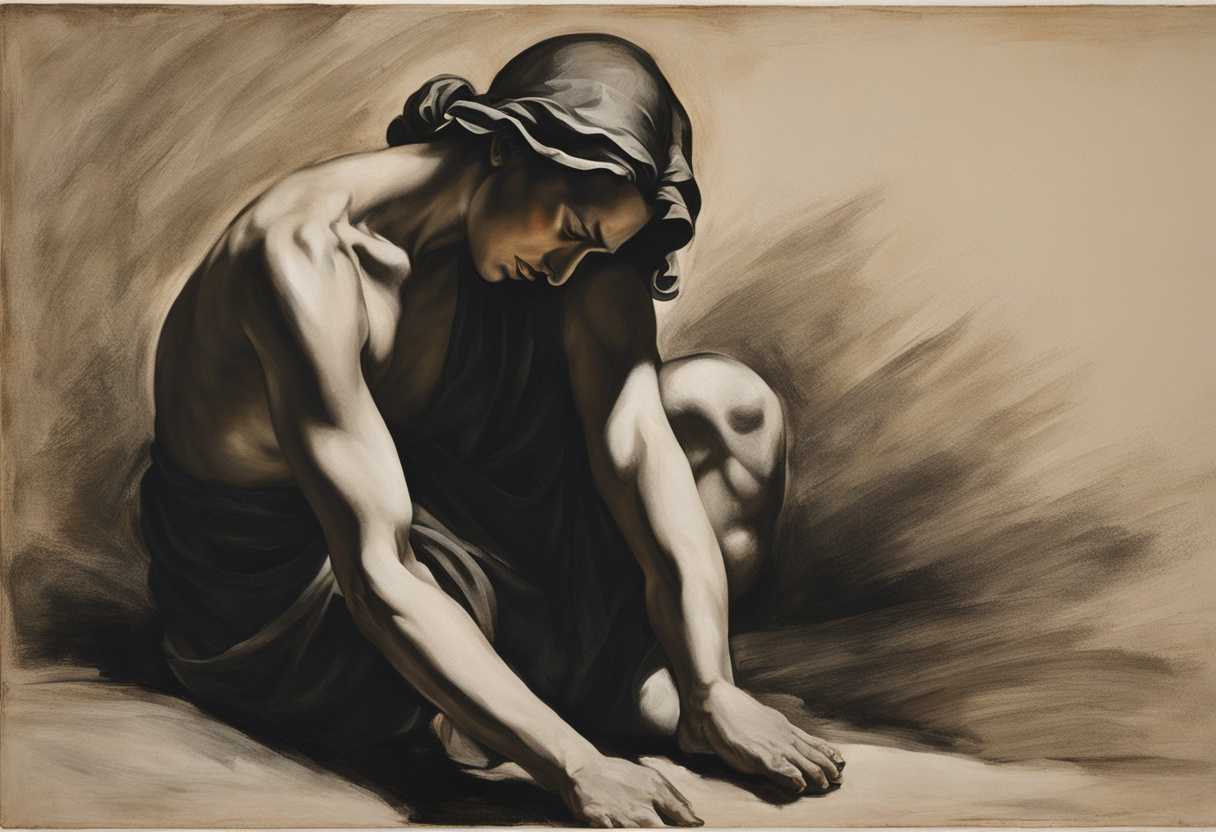
What the Bible Says About the Meaning of Bruised
In the Bible, “bruised” often signifies physical injury or suffering, as seen in Isaiah 53:5 where it describes the suffering servant being “bruised for our iniquities.” It can also represent a state of being crushed in spirit or heartache, reflecting both physical and emotional distress. Scripture 14 The Lord God said to the serpent, “Because…
-

What the Bible Says About “Do Not Be Afraid”
In the Bible, “Do Not Be Afraid” is a repeated phrase that conveys God’s reassurance and presence in times of fear or uncertainty, encouraging believers to trust in His plans and protection. It emphasizes faith over fear, reminding individuals that God is with them in difficult circumstances (Isaiah 41:10, Matthew 28:10). Scripture 1 After these…
-

What the Bible Says About Fellow Servants: Understanding Its Meaning
In the Bible, the term “fellow servant” refers to a person who serves alongside others in God’s work, emphasizing a sense of equality and shared purpose within the community of believers. It is used to highlight mutual support and camaraderie in serving God, as seen in passages such as Revelation 19:10, where an angel acknowledges…
-

What the Bible Says About Anointing Oil: Its Meaning and Significance
In the Bible, anointing oil symbolizes consecration and the setting apart of individuals or objects for God’s service. It is associated with divine empowerment, healing, and blessing, as seen in rituals for kings, priests, and the sick (Exodus 30:22-33; James 5:14). Scripture 22 The Lord said to Moses, 23 “Take the finest spices: of liquid…