
Category: Spiritual and Theological Concepts
-

What the Bible Says About the Meaning of Figs
In the Bible, figs often symbolize prosperity, peace, and divine blessing, as seen in passages like Jeremiah 24, where good figs represent those who will be restored by God. Conversely, the withering of the fig tree, as in Mark 11:12-14, can signify judgment and the barrenness of unfruitful lives. Scripture 7 Then the eyes of…
-

What the Bible Says About the Meaning of a Bride
In the Bible, the term “bride” often symbolizes the relationship between Christ and the Church, depicting believers as the bride of Christ who is united with Him in love and covenant (Ephesians 5:25-32). Additionally, the imagery of a bride is used in the context of God’s covenant people, illustrating fidelity, purity, and the anticipation of…
-

What the Bible Says About the Meaning of “Yah”
“Yah” is a shortened form of Yahweh, the sacred name of God in the Hebrew Bible, often used in praise and worship, as seen in phrases like “Hallelujah,” meaning “Praise Yah.” It signifies God’s eternal existence and covenant relationship with His people. Scripture 1 Then Moses and the people of Israel sang this song to…
-

What the Bible Says About Still Waters: Finding Peace in Scripture
In the Bible, “still waters” symbolizes peace, tranquility, and rest for the soul. This imagery is notably found in Psalm 23:2, where it depicts God’s provision and guidance, leading believers to a place of spiritual refreshment and safety. Scripture 1 The Lord is my shepherd; I shall not want. 2 He makes me lie down…
-

What the Bible Says About Malignity: Understanding Its Definition and Implications
In the Bible, malignity refers to a deep-seated evil or malice towards others, often associated with wicked intentions and harmful actions. It signifies a moral corruption that opposes the love and righteousness of God, as seen in passages like Romans 1:29, where it is listed among behaviors that separate individuals from a godly life. Scripture…
-

What the Bible Says About Jireh: Understanding Its Meaning and Significance
In the Bible, “Jireh” comes from the Hebrew term “Yireh,” meaning “to see” or “to provide.” It is notably used in the name Jehovah Jireh (Genesis 22:14), signifying that God is our provider, as demonstrated when He provided a ram for Abraham as a sacrifice in place of his son Isaac. Scripture 9 When they…
-

What the Bible Says About Being Smitten
In the Bible, “smitten” often refers to being struck down or afflicted by God or others, indicating punishment or suffering due to sin or disobedience. It can symbolize God’s judgment or the trials faced by individuals as a test of faith. Scripture 12 “Whoever strikes a man so that he dies shall be put to…
-
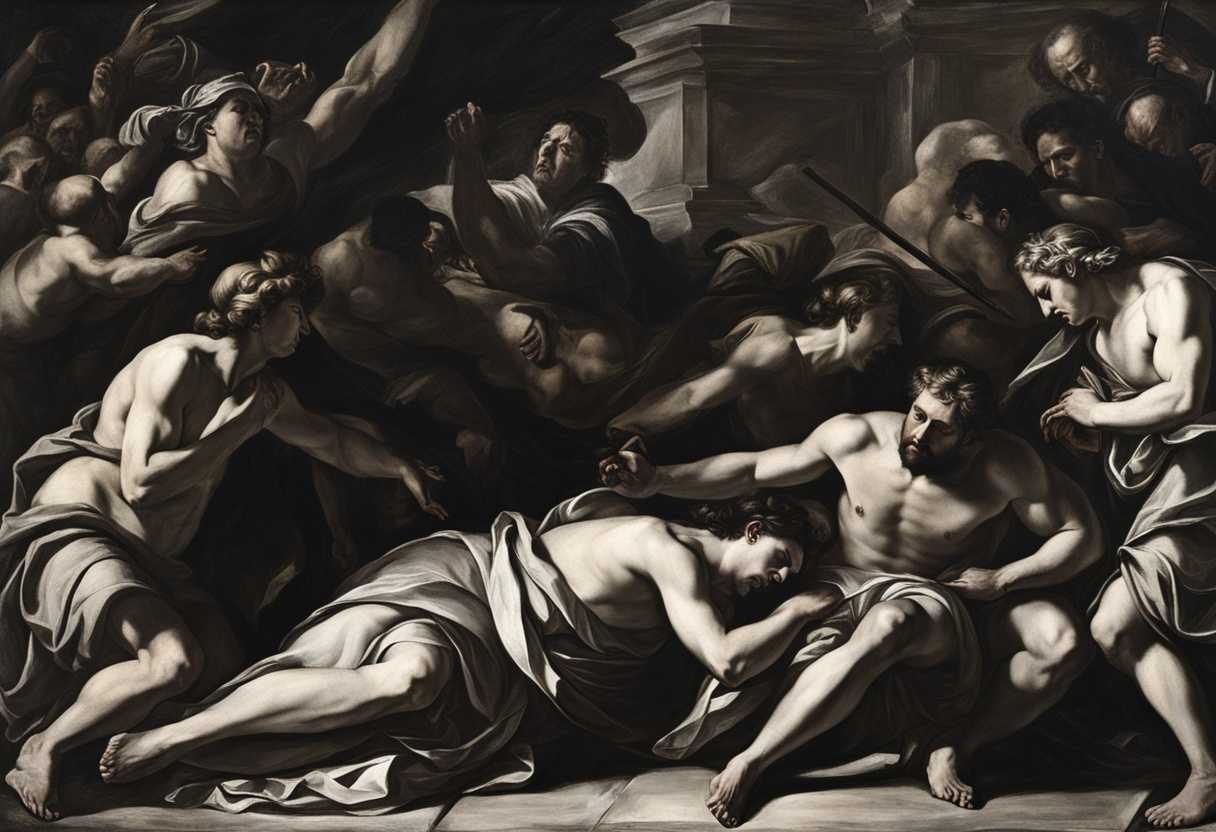
What the Bible Says About Torment: Understanding Its Definition and Context
In the Bible, “torment” often refers to intense suffering or anguish, both physical and spiritual. It can describe the anguish of the wicked in hell (Luke 16:23-24) or the trials faced by the faithful as a means of spiritual testing and refinement (James 1:2-4). Scripture 28 And when he came to the other side, to…
-

What the Bible Says About Divine Revelation: Understanding Its Definition and Significance
Divine revelation in the Bible refers to the act of God disclosing His character, will, and truth to humanity, primarily through Scripture, prophetic messages, and the person of Jesus Christ. It encompasses the understanding that God seeks relationship and understanding with people through His revealed Word. Scripture 10 Jacob left Beersheba and went toward Haran.…
-

What the Bible Says About the End of Days: Understanding Its Meaning
In the Bible, the phrase “end of days” generally refers to a future time when God’s final judgment will occur, often associated with the culmination of human history and the establishment of God’s eternal kingdom. It emphasizes a period of divine intervention and restoration, as seen in prophetic books like Daniel and Revelation. Scripture 1…