
Category: Spiritual and Theological Concepts
-

What the Bible Says About Hornets: A Symbol of Divine Judgment
In the Bible, hornets are often mentioned as instruments of God’s judgment or as divine agents driving out enemies, symbolizing fear and destruction. For example, in Exodus 23:28, God promises to send hornets to help the Israelites conquer the land of Canaan. Scripture 27 I will send my terror before you and will throw into…
-

What the Bible Says About Lovingkindness: Understanding Its Meaning
In the Bible, “lovingkindness” refers to God’s steadfast love and mercy towards His people, often depicted as a combination of love, loyalty, and faithfulness. It emphasizes the covenant relationship between God and humanity, illustrating compassion and grace in His interactions. Scripture 1 Give thanks to the Lord, for he is good, for his steadfast love…
-

What the Bible Says About Open Vision: Understanding Its Meaning
In the Bible, “open vision” refers to a supernatural revelation where a person perceives spiritual truths or messages from God with clarity and vividness, often involving visions or dreams. It signifies a direct communication from God, as seen in accounts such as those of prophets like Ezekiel and Daniel. Scripture 3 Now the boy Samuel…
-
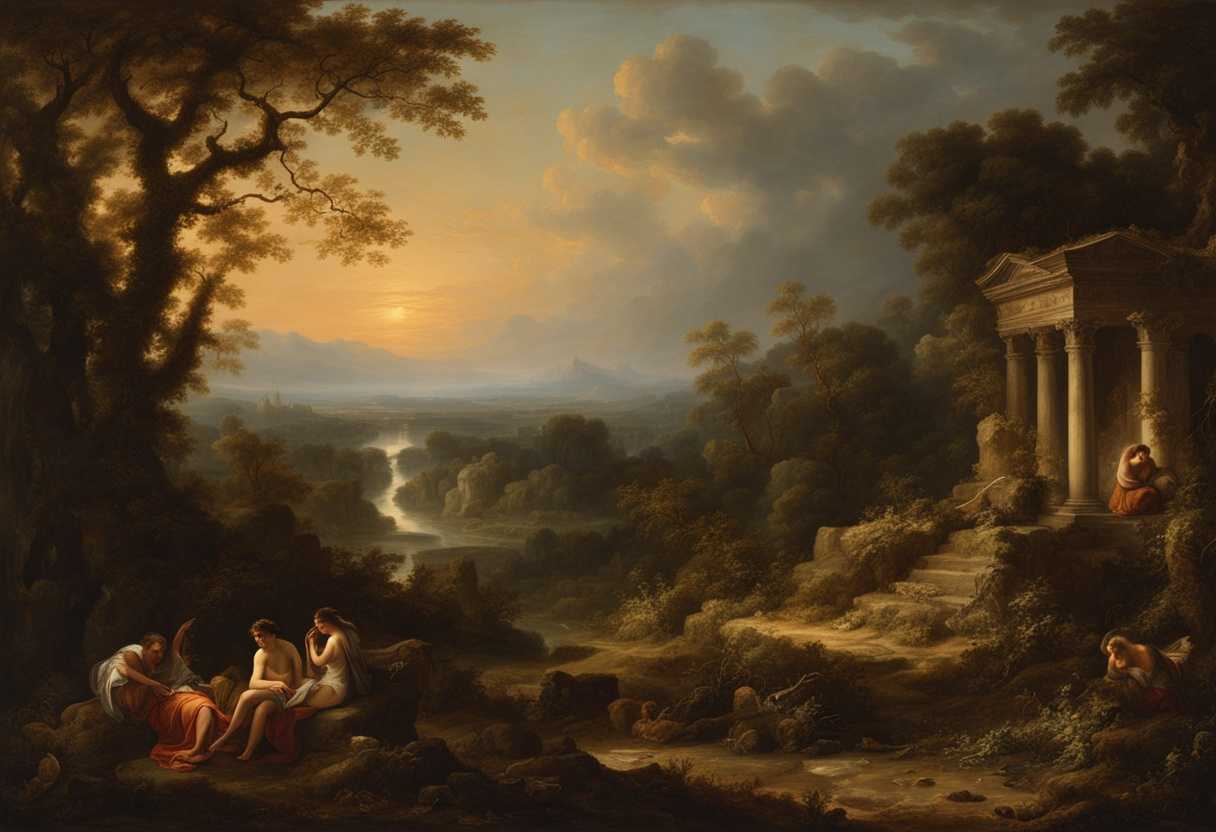
What the Bible Says About Satyrs: Understanding Their Meaning
In the Bible, satyrs are often associated with desolation and are mentioned in passages such as Isaiah 13:21 and Isaiah 34:14, where they are described as creatures inhabiting deserted places. The term can denote a sense of wild, untamed nature and is sometimes linked to pagan imagery and idolatry. Scripture 19 And Babylon, the glory…
-

What the Bible Says About Tartarus: Understanding Its Meaning and Significance
Tartarus, in the Bible, refers to a deep abyss or a place of confinement for the wicked, particularly mentioned in 2 Peter 2:4, where it describes the imprisonment of fallen angels. It is often associated with punishment and is distinct from Hell, indicating a state of restraint rather than final judgment. Scripture 4 For if…
-

What the Bible Says About the Menorah: Its Meaning and Significance
The Menorah, a seven-branched lampstand made of pure gold, symbolizes God’s eternal light and presence among His people. It is a prominent feature in the Tabernacle and later in the Temple, representing spiritual illumination and the divine commandments. Scripture 31 “You shall make a lampstand of pure gold. The lampstand shall be made of hammered…
-

What the Bible Says About the Strait Gate: Understanding Its Meaning
In the Bible, the “strait gate” refers to the narrow path leading to salvation, as mentioned in Matthew 7:13-14. It symbolizes the challenges and sacrifices required to follow Jesus and attain eternal life, contrasting with the wider, easier path that leads to destruction. Scripture 13 “Enter by the narrow gate. For the gate is wide…
-

What the Bible Says About Xylon: Understanding Its Meaning and Significance
In the Bible, “Xylon” refers to wood or timber, derived from the Greek word “xylon.” It is often used in the context of building materials, such as in the construction of the temple or other structures. Scripture 30 The God of our fathers raised Jesus, whom you killed by hanging him on a tree. 31…
-

“What the Bible Says About the Means of Grace”
In Scripture, the means of grace refer to the tools and practices through which God imparts His grace to believers, primarily including the Word of God, sacraments (such as Baptism and Communion), and prayer. These means are essential for spiritual growth, fostering a deeper relationship with God, and sustaining faith. Scripture 42 And they devoted…
-

What the Bible Says About Pilgrimage: A Journey of Faith
In the Bible, pilgrimage refers to a journey to a sacred place or a spiritual quest, often undertaken as an act of devotion or worship. It symbolizes the believer’s journey toward God, reflecting a longing for spiritual fulfillment and connection with the divine, as seen in examples like the annual journeys to Jerusalem during the…