
Category: Spiritual and Theological Concepts
-

What the Bible Says About the Spiritual Realm
The spiritual realm in the Bible refers to the dimension inhabited by God, angels, and spiritual beings, distinct from the physical world. It is depicted as a place of divine presence and activity that influences earthly life, emphasizing the importance of faith and spiritual warfare (Ephesians 6:12). Scripture 10 Jacob left Beersheba and went toward…
-

What the Bible Says About “Thy Kingdom Come”
“Thy Kingdom Come” refers to the petition in the Lord’s Prayer, expressing a desire for God’s reign and sovereignty to manifest on earth as it is in heaven. It signifies the hope for divine intervention and the establishment of God’s justice, peace, and righteousness among humanity. Scripture 9 Pray then like this: “Our Father in…
-

What the Bible Says About the Meaning of Hidden Manna
In the Bible, “hidden manna” refers to a divine sustenance and spiritual nourishment provided by God, symbolizing the sustenance of the soul. It is mentioned in Revelation 2:17, where it is promised to those who overcome, symbolizing the intimate knowledge and blessings given to believers. Scripture 17 He who has an ear, let him hear…
-

What the Bible Says About Walking in the Flesh
“Walking in the flesh” in the Bible refers to living according to one’s sinful nature and worldly desires, in contrast to living according to the Spirit of God. It signifies a focus on earthly, carnal pursuits that lead away from spiritual growth and obedience to God’s will (Romans 8:1-8). Scripture 1 There is therefore now…
-

What the Bible Says About “Moab is My Washpot”
The phrase “Moab is my washpot” comes from Psalm 60:8, where it signifies God’s sovereignty and judgment over Moab, representing a nation or people that are seen as unclean or inferior. It implies that Moab, once a proud nation, is reduced to a place of servitude or humiliation in the context of God’s power and…
-

What the Bible Says About Anagogical Sense: A Deeper Understanding
The anagogical sense in biblical interpretation refers to understanding scripture in terms of its ultimate significance and destiny, particularly concerning eternal life and the heavenly realm. It connects earthly events and experiences to their spiritual fulfillment and eschatological implications. Scripture 1 Then I saw a new heaven and a new earth, for the first heaven…
-

What the Bible Says About Demonic Influence
Demonic influence in the Bible refers to the exertion of power or authority by evil spirits to tempt, deceive, or lead individuals away from God. This influence is often characterized by actions such as possession, oppression, and instigation of sinful behaviors, as seen in various scriptural accounts (e.g., Matthew 4:1-11, Ephesians 6:12). Scripture 10 Finally,…
-

What the Bible Says About Dream Interpretation and Praying
In the Bible, dreams are often seen as a means through which God communicates with individuals, revealing messages or guidance, as seen in the accounts of Joseph and Daniel. Prayer, on the other hand, is a way for believers to communicate with God, seeking wisdom, understanding, and revelation, as exemplified by prayers in both the…
-
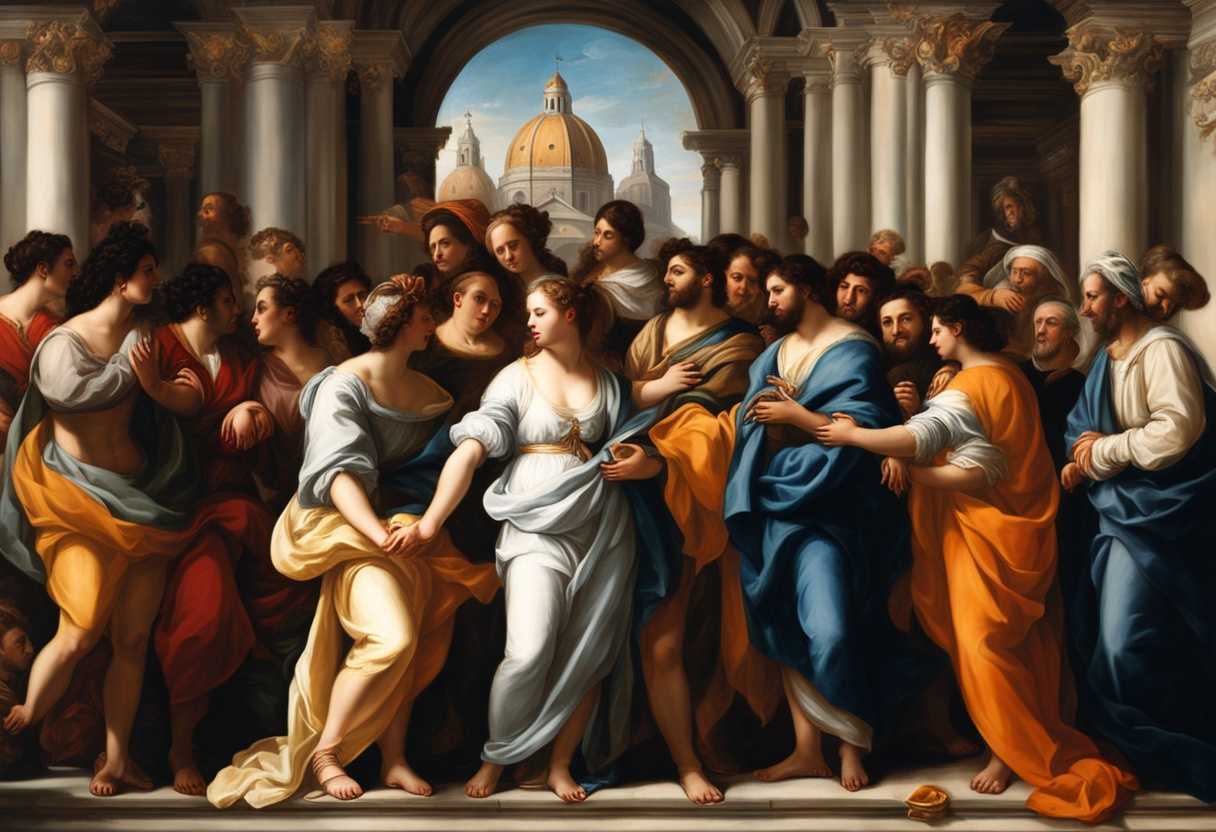
What the Bible Says About Joint Definitions and Unity
In the Bible, “joint” often refers to a point of connection or unity, signifying the interdependence of individuals within the body of Christ, as seen in passages like 1 Corinthians 12:12-27. It symbolizes how different members work together harmoniously, contributing to the overall function and health of the community. Scripture 1 The hand of the…
-

What the Bible Says About the Definition of “Visit”
In the Bible, “visit” often implies a divine presence or intervention, carrying the connotation of caring, examining, or bringing judgment. It can indicate God’s attention to His creation, such as in the context of blessing, helping, or holding individuals accountable for their actions. Scripture 1 The Lord visited Sarah as he had said, and the…