
Category: Spiritual and Theological Concepts
-

What the Bible Says About the Definition of Drink
In the Bible, “drink” often symbolizes sustenance and nourishment, both physically and spiritually. It can represent the blessings of God, as seen in references to the “cup” of His provision or the “living water” that Christ offers for eternal life (John 4:14). Scripture 7 A woman from Samaria came to draw water. Jesus said to…
-

What the Bible Says About Being Humbled
In the Bible, to be humbled refers to recognizing one’s limitations and dependence on God, often resulting in a heart that is submissive and receptive to His will. It can be seen as a state of being brought low, whether through personal realization or divine intervention, in contrast to pride and self-exaltation (James 4:10, Proverbs…
-

What the Bible Says About Metanoia: Understanding Its Definition and Significance
Metanoia, in a biblical context, refers to a profound change of heart and mind, involving repentance and a turning away from sin towards God. It signifies a transformative process of spiritual renewal and reorientation in one’s life. Scripture 1 In those days John the Baptist came preaching in the wilderness of Judea, 2 “Repent, for…
-

What the Bible Says About the Definition of Quiet
In the Bible, quietness often signifies a state of peace, tranquility, and trust in God. It is associated with inner calmness and reliance on divine guidance, as seen in passages like Isaiah 30:15, which emphasizes finding strength in remaining still and trusting the Lord. Scripture 17 And the effect of righteousness will be peace, and…
-

What the Bible Says About Shoals: Understanding Its Definition and Significance
In the Bible, “shoal” refers to a place of darkness or the realm of the dead, often synonymous with Sheol, the grave, or the abyss. It represents a state of spiritual separation from God and is often associated with the concept of the afterlife. Scripture 35 All his sons and all his daughters rose up…
-

What the Bible Says About Taste: A Definition and Exploration
In the Bible, “taste” often refers to the experience of savoring or appreciating something, both physically and spiritually. It is used metaphorically to signify understanding, discernment, or experiencing the goodness of God, as seen in passages like Psalm 34:8, which invites believers to “taste and see that the Lord is good.” Scripture 8 Oh, taste…
-

What the Bible Says About the Vine: A Definition and Its Significance
In the Bible, a vine often symbolizes Israel as God’s chosen people, representing growth, fruitfulness, and God’s nurturing care (John 15:1-5). The vine is also associated with spiritual life and connection to Christ, emphasizing the importance of abiding in Him to bear spiritual fruit. Scripture 1 “I am the true vine, and my Father is…
-

What the Bible Says About the Meaning of a Red Sun
In the Bible, a red sun can symbolize impending judgment, divine warning, or significant change. For example, in the prophetic literature, such as Joel 2:31 and Acts 2:20, a red or darkened sun is associated with apocalyptic events and the presence of God’s judgment. Scripture 30 “And I will show wonders in the heavens and…
-
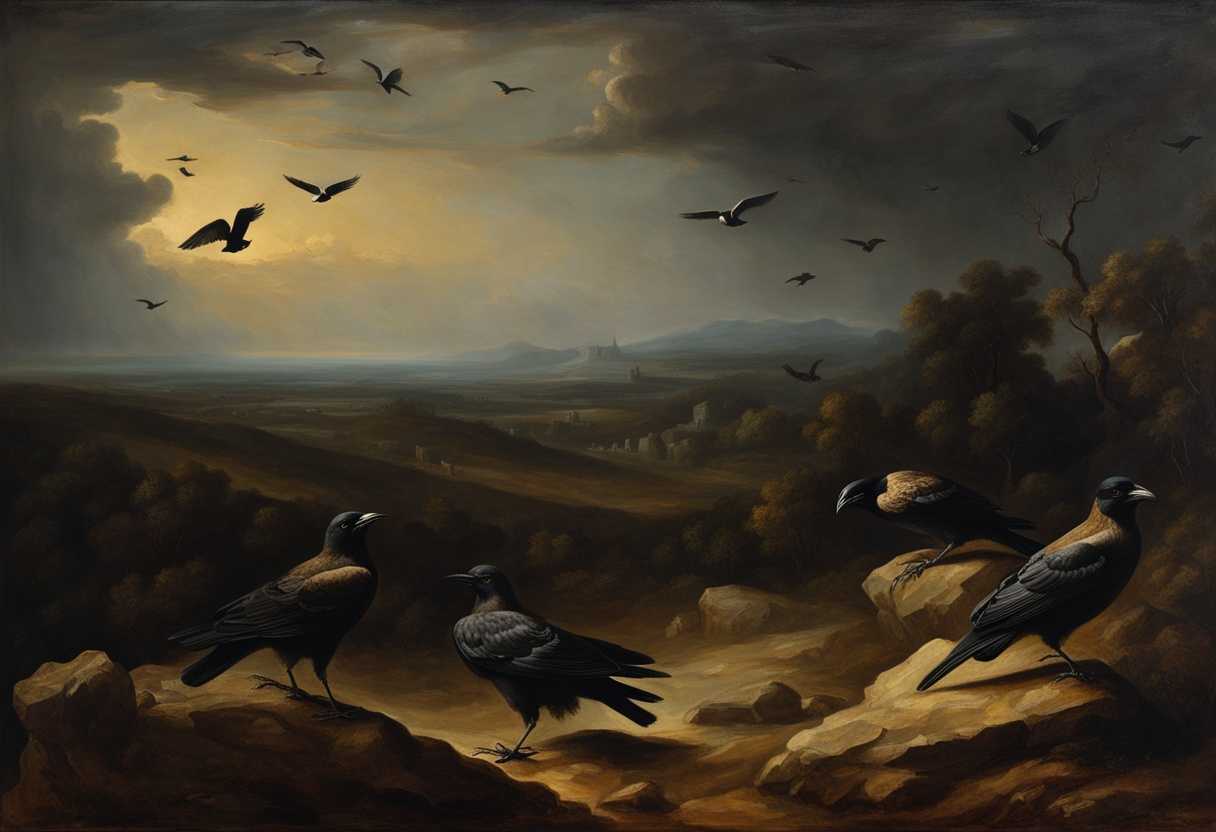
What the Bible Says About the Meaning of a Dead Crow
In the Bible, crows are often associated with scavenging and uncleanliness, as found in texts like Leviticus 11:15 where they are listed among unclean birds. The presence of dead crows may symbolically represent judgment or desolation, reflecting a larger theme of mortality and the fate of the wicked. Scripture 13 “And these you shall detest…
-

What the Bible Says About the Meaning of a Green Snake
In the Bible, snakes often symbolize temptation and evil, epitomized by the serpent in the Garden of Eden (Genesis 3), while the color green is associated with life and renewal. However, a green snake specifically does not have a distinct theological significance in biblical texts; rather, it could represent the broader themes of creation and…