
Category: Spiritual and Theological Concepts
-

What the Bible Says About the Meaning of Crying
In the Bible, crying often symbolizes deep emotional pain, sorrow, or grief, reflecting a person’s distress or longing for God’s comfort (Psalm 56:8). It can also signify repentance and a heart seeking forgiveness (Matthew 5:4), illustrating a place of vulnerability and reliance on divine mercy. Scripture 16 Then she went and sat down opposite him…
-
What the Bible Says About the Meaning of Goat and Ram
In the Bible, goats often symbolize sin and atonement, as seen in the Day of Atonement rituals where a scapegoat carried the sins of the people into the wilderness (Leviticus 16:10). Rams, on the other hand, typically represent sacrifice and covenant, exemplified by their use in offerings and their connection to God’s promises, as illustrated…
-

What the Bible Says About the Meaning of Mold
In the Bible, mold often signifies impurity and decay, serving as a metaphor for sin and spiritual corruption. In Leviticus 13, mold is associated with the diagnosis of leprosy in fabrics and houses, indicating the need for purification and the seriousness of ritual cleanliness. Scripture 47 “If there is any garment of wool or linen…
-
What the Bible Says About the Meaning of Using Gifts
In the Bible, spiritual gifts are seen as special abilities given by the Holy Spirit to believers for the purpose of building up the Church and serving others (1 Corinthians 12:4-11). They are intended to promote unity among believers and to empower them to carry out God’s work on Earth (Ephesians 4:11-13). Scripture Now concerning…
-
What the Bible Says About the Meaning of Wool
In the Bible, wool signifies purity and cleanliness, often associated with sacrifice and offerings, as seen in the use of unblemished lambs for sacrifices (Exodus 12:5). Additionally, wool represents comfort and protection, as in the Good Shepherd imagery where Jesus is depicted caring for his sheep (John 10:11). Scripture 19 “You shall keep my statutes.…
-
What the Bible Says About the Definition of Almah
In the Bible, “almah” is a Hebrew term that generally refers to a young woman of marriageable age, often implying virginity. The most notable use is in Isaiah 7:14, where it is interpreted as a sign of the Messiah’s birth. Scripture 43 Behold, I am standing by the spring of water. Let the virgin who…
-

What the Bible Says About a Pure Heart
In the Bible, a pure heart is characterized by sincerity, innocence, and a deep commitment to righteousness, reflecting an inner state free from deceit and sin. Jesus reinforces this notion in Matthew 5:8, stating, “Blessed are the pure in heart, for they shall see God,” indicating the spiritual clarity and divine connection that come from…
-

What the Bible Says About Demonic Vexation: Understanding Its Definition and Implications
Demonic vexation in the Bible refers to the tormenting influence or harassment inflicted by evil spirits on individuals, often manifesting in physical or mental distress. This concept is highlighted in various passages, such as in the accounts of Jesus healing those possessed or oppressed by demons, illustrating the struggle against malevolent supernatural forces. Scripture 1…
-

What the Bible Says About the Holy of Holies
The Holy of Holies, also known as the Most Holy Place, is the innermost sanctuary of the Tabernacle and later the Temple in Jerusalem, where God’s presence dwelled. Only the high priest could enter it once a year on Yom Kippur, the Day of Atonement, to offer sacrifices for the sins of the people (Exodus…
-
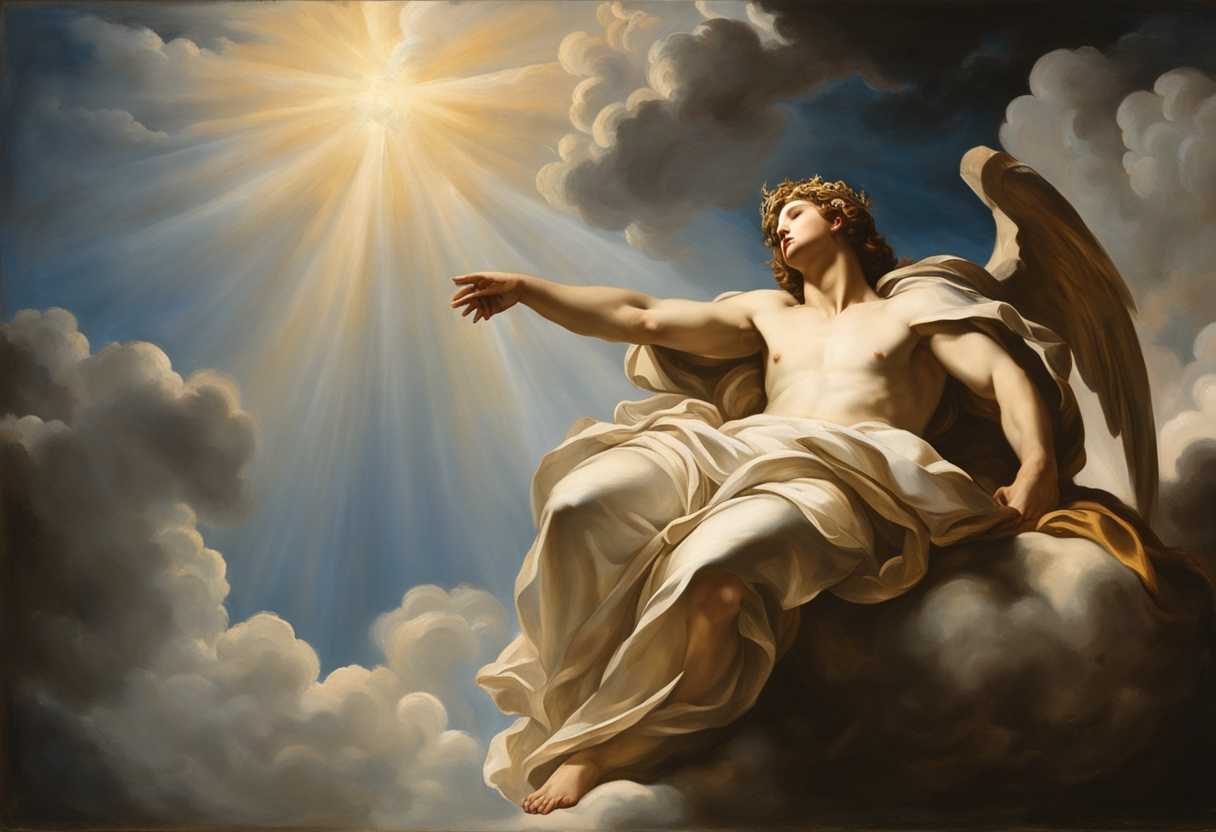
What the Bible Says About Misericorde: Understanding Mercy and Compassion
In the Bible, “misericorde” is often associated with mercy and compassion. It reflects God’s loving kindness and willingness to forgive, embodying the sentiment of Psalm 136, which repeatedly emphasizes His enduring mercy. Scripture 6 The Lord passed before him and proclaimed, “The Lord, the Lord, a God merciful and gracious, slow to anger, and abounding…