
Category: Spiritual and Theological Concepts
-

What the Bible Says About Providence: A KJV Perspective
In the context of the KJV Bible, “providence” refers to God’s protective care and guidance over His creation, ensuring that all events serve His divine purpose. While the term itself may not be explicitly used, the concept is illustrated throughout scripture, emphasizing God’s sovereignty and faithfulness in fulfilling His plans for humanity. Scripture 7 And…
-

What the Bible Says About Sheol and Abraham’s Bosom
In the Bible, Sheol is described as the grave or the abode of the dead, often characterized as a place of darkness and separation from God (Psalm 88:3-5). Abraham’s Bosom, mentioned in Luke 16:22-23, refers to a place of comfort and rest for the righteous dead, in contrast to the torments experienced by the unrighteous…
-

What the Bible Says About the Most High
In the Bible, the term “Most High” refers to God as the supreme deity, exalted above all creation. It emphasizes His sovereignty, authority, and transcendence over all other powers and gods (Psalm 78:35; Isaiah 14:14). Scripture 18 And Melchizedek king of Salem brought out bread and wine. He was priest of God Most High. 19…
-

What the Bible Says About the Definition of the Word of Knowledge
The “Word of Knowledge” is one of the spiritual gifts mentioned in 1 Corinthians 12:8, referring to the ability to receive and convey insights or revelations from God, often concerning specific situations or truths. It is a manifestation of the Holy Spirit that enables believers to understand divine wisdom and apply it in a practical…
-

What the Bible Says About the Field of Blood
The “Field of Blood” refers to the potter’s field purchased with the thirty pieces of silver paid to Judas Iscariot for betraying Jesus, as described in Matthew 27:3-10. It became a burial place for strangers and symbolizes the consequences of betrayal and the fulfillment of Old Testament prophecies. Scripture 3 Then when Judas, his betrayer,…
-
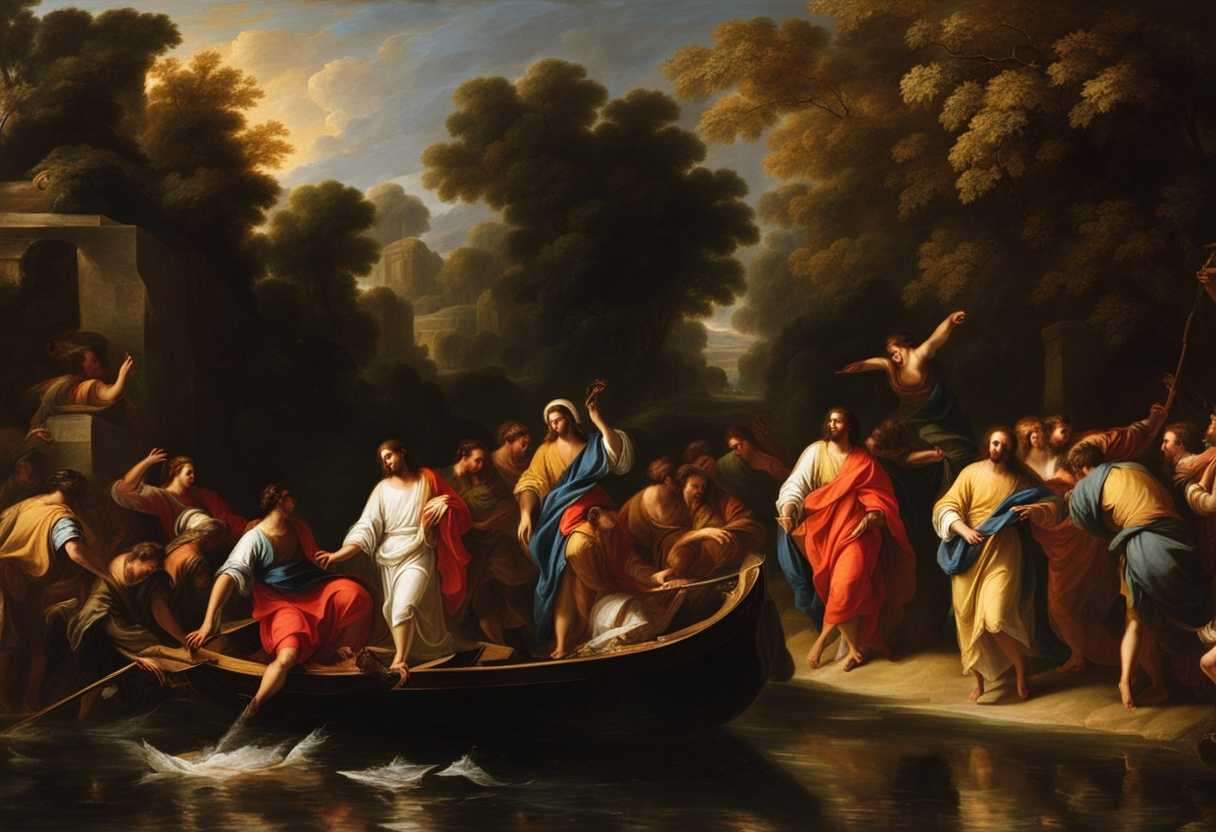
What the Bible Says About the Meaning of “Immediately”
In the Bible, “immediate” often refers to actions or responses that occur without delay or intermediary involvement, emphasizing promptness in obedience to God’s commands or divine intervention. For example, in Matthew 4:20, the disciples “immediately” followed Jesus upon His call, demonstrating their swift response to His invitation. Scripture 18 “Hear then the parable of the…
-

What the Bible Says About Lifting Up: A Definition and Exploration
In the Bible, “lift up” often signifies an act of praise, worship, or exalting God, as seen in Psalms where believers are encouraged to lift up their voices and hearts to the Lord. It can also denote the physical act of raising someone from a state of suffering or despair, reflecting God’s restorative and supportive…
-

What the Bible Says About the Firmament: Understanding Its Meaning
In the Bible, the term “firmament” refers to the expanse or vault of heaven that separates the waters above from the waters below, as described in Genesis 1:6-8. It is often understood as the sky or the celestial sphere created by God during the Creation narrative. Scripture 6 And God said, “Let there be an…
-

What the Bible Says About Manifestation: Understanding Its Meaning
In the Bible, “manifestation” often refers to the act of making something visible or evident, particularly in the context of God’s presence and miracles. It can also denote the revealing of spiritual gifts or truths, as seen in passages like 1 Corinthians 12:7, where manifestations of the Spirit are given for the common good. Scripture…
-
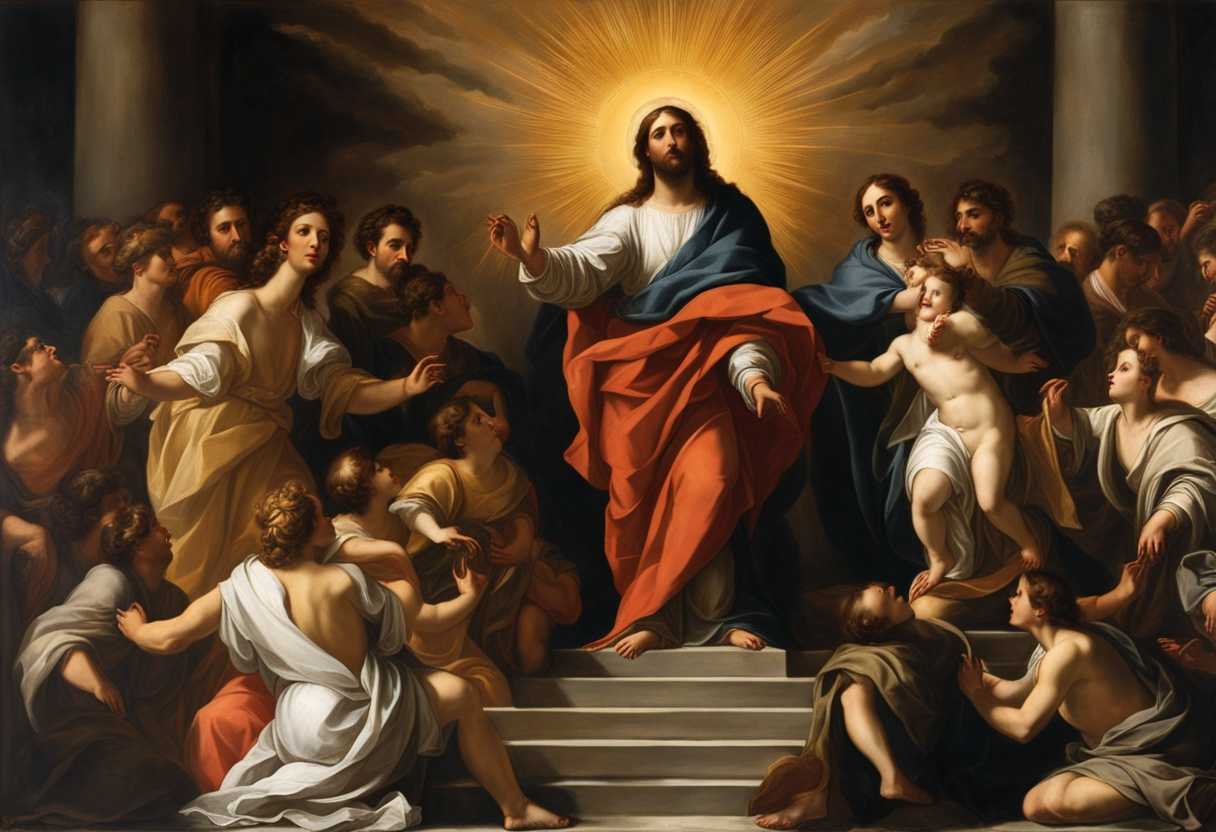
What the Bible Says About the Meaning of Messiah
In the Bible, the term “Messiah” derives from the Hebrew word “Mashiach,” meaning “anointed one.” It refers to a savior or liberator figure expected to bring salvation and establish God’s kingdom, ultimately fulfilled in the New Testament by Jesus Christ. Scripture 6 For to us a child is born, to us a son is given;…