
Category: Spiritual and Theological Concepts
-

What the Bible Says About the Son of God: Understanding Its Meaning
In the Bible, “Son of God” refers to Jesus Christ, affirming his divine nature and unique relationship with God the Father, as well as his role in the salvation of humanity. This title symbolizes both his divinity and his role as the Messiah, who came to restore humanity’s relationship with God. Scripture 16 And when…
-

What the Bible Says About the Meaning of Precious Stones
In the Bible, precious stones often symbolize beauty, value, and divine favor. They are used in descriptions of the New Jerusalem and the priestly garments, representing God’s glory and the holiness of His covenant people (e.g., Revelation 21:19-21, Exodus 28:17-20). Scripture 17 You shall set in it four rows of stones. A row of sardius,…
-

What the Bible Says About the Cockatrice: Definition and Significance
In the Bible, the term “cockatrice” refers to a mythical creature, often associated with a serpent or dragon, symbolizing danger and destruction. It is mentioned in Isaiah 11:8 and Isaiah 14:29, where it represents an evil force or a fearsome opponent, highlighting themes of terror and judgment. Scripture 1 There shall come forth a shoot…
-
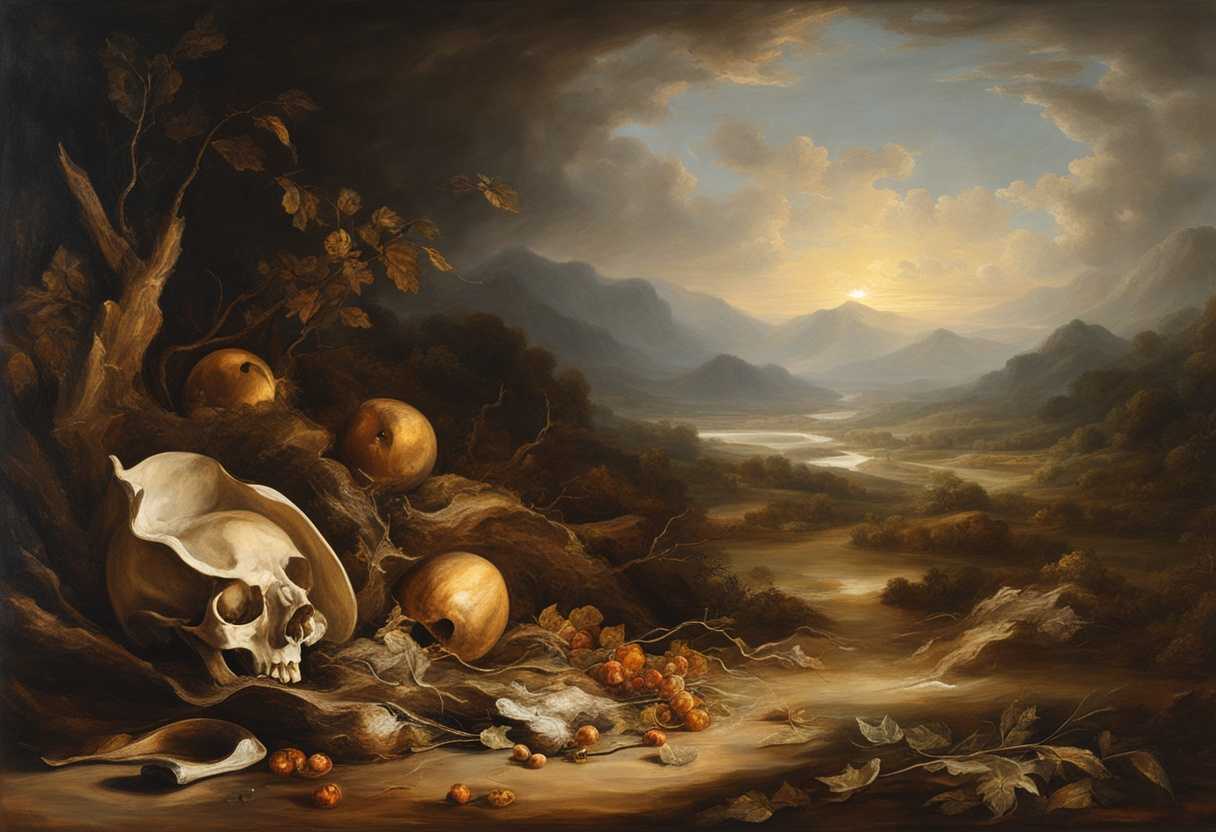
What the Bible Says About Dry Bones: Understanding Their Meaning
In the Bible, “dry bones” symbolizes despair and hopelessness, particularly in Ezekiel 37, where they represent the Israelites in exile who feel cut off from their homeland and God. The vision of the dry bones coming to life signifies God’s power to restore and revitalize His people, offering hope and revival. Scripture 1 The hand…
-

What the Bible Says About Flint: A Definition and Significance
In the Bible, flint represents hardness and strength, often symbolizing resilience and the ability to withstand trials. It is mentioned in contexts such as God’s protection (Deuteronomy 32:4-15), highlighting the unyielding nature of His promises and the harshness of human hearts (Ezekiel 3:9). Scripture 15 who led you through the great and terrifying wilderness, with…
-

What the Bible Says About Sonship: Understanding Our Identity in Christ
In the Bible, sonship refers to the relationship between believers and God, where individuals are spiritually adopted into God’s family through faith in Christ, as expressed in verses like Romans 8:15-17. This relationship grants them rights and privileges as heirs to God’s promises. Scripture 14 For all who are led by the Spirit of God…
-
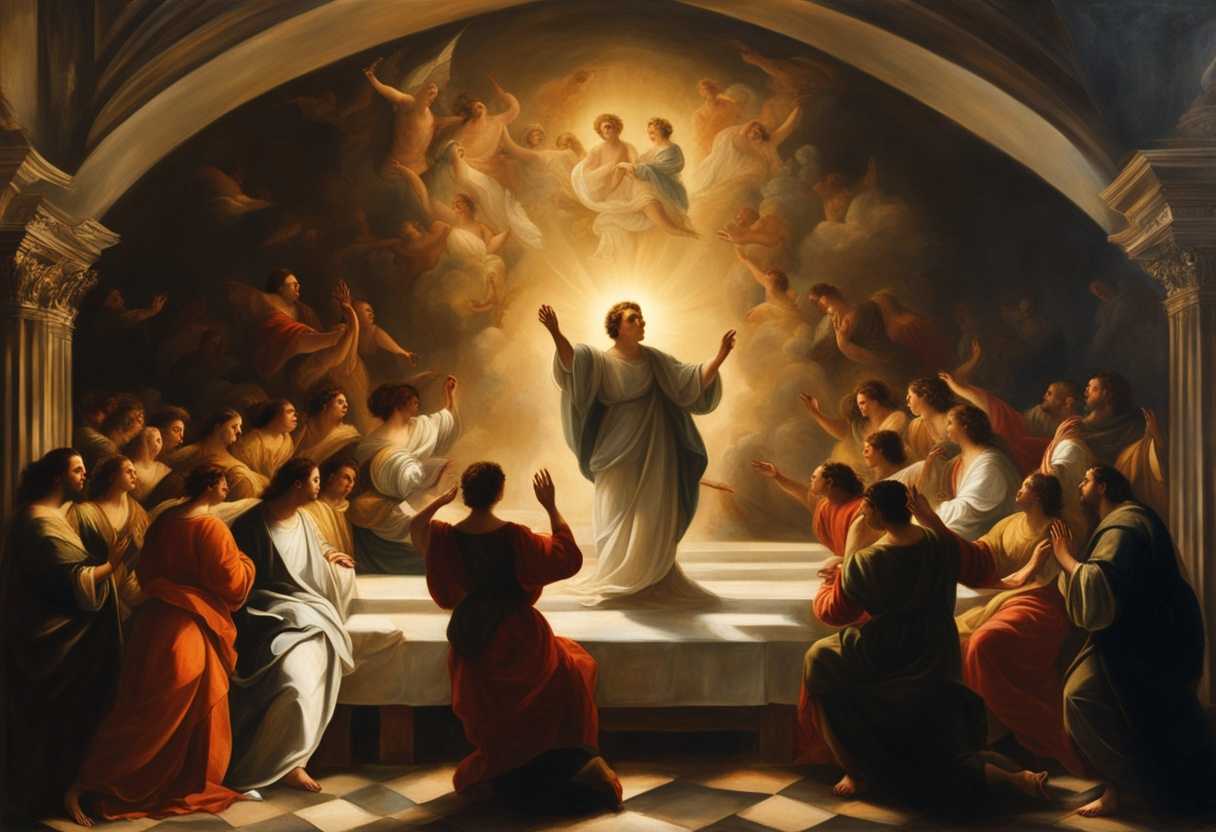
What the Bible Says About Benediction: Definition and Significance
In the Bible, a benediction refers to a short invocation for divine blessing, often pronounced at the end of a worship service or significant event. It serves as an expression of good wishes and spiritual encouragement, frequently found in passages such as Numbers 6:24-26 and 2 Corinthians 13:14. Scripture 24 The Lord bless you and…
-

What the Bible Says About Mediatorial Roles
In the Bible, “mediatorial” refers to the role of an intermediary who acts on behalf of others, particularly in reconciling humanity with God. This is exemplified by Jesus Christ, who is described as the mediator between God and humanity (1 Timothy 2:5). Scripture 30 The next day Moses said to the people, “You have sinned…
-

What the Bible Says About the Meaning of the Crown of Thorns
The crown of thorns symbolizes the suffering and mockery of Jesus during his crucifixion, representing both his pain and the humiliation he endured for humanity’s sins. It serves as a powerful reminder of the sacrificial love of Christ and the redemption offered through his sacrifice. Scripture 27 Then the soldiers of the governor took Jesus…
-

What the Bible Says About Grief: Understanding Its Definition and Meaning
In the Bible, grief is a deep emotional response to loss, often expressed through mourning and lamentation, as seen in passages like Ecclesiastes 3:4, which states there is “a time to weep and a time to laugh.” Additionally, Jesus Himself experienced grief, demonstrating the acceptability of sorrow as part of the human experience (John 11:35).…