
Category: Spiritual and Theological Concepts
-

What the Bible Says About the Four Horsemen: Understanding Their Meaning
The Four Horsemen of the Apocalypse, described in Revelation 6:1-8, symbolize various catastrophic events leading to the end of the world: conquest (white horse), war (red horse), famine (black horse), and death (pale horse). These figures represent the unfolding of divine judgment and the struggles faced by humanity in the last days. Scripture 1 Now…
-

What the Bible Says About Green Pastures: Understanding Its Meaning
In the Bible, “green pastures” symbolizes tranquility, nourishment, and divine provision, often associated with God’s care and guidance for His people, as seen in Psalm 23:2, where the Lord leads His followers to rest and sustenance. It conveys a sense of peace and spiritual fulfillment found in a relationship with God. Scripture 1 The Lord…
-

What the Bible Says About the Meaning of Mediums
In the Bible, a medium is often defined as a person, particularly a necromancer or a spiritist, who communicates with the dead or invokes spirits. The practice is explicitly condemned in Scripture, such as in Deuteronomy 18:10-12, where it is portrayed as abominable to God. Scripture 31 “Do not turn to mediums or necromancers; do…
-

What the Bible Says About the Definition of Desert
In the Bible, the desert wilderness symbolizes a place of testing, spiritual growth, and divine encounter. It often represents a setting for God’s revelation and a journey toward faith, as seen in the experiences of figures like Moses and Jesus, who faced trials and sought God’s guidance in these solitary landscapes. Scripture 1 Now Moses…
-
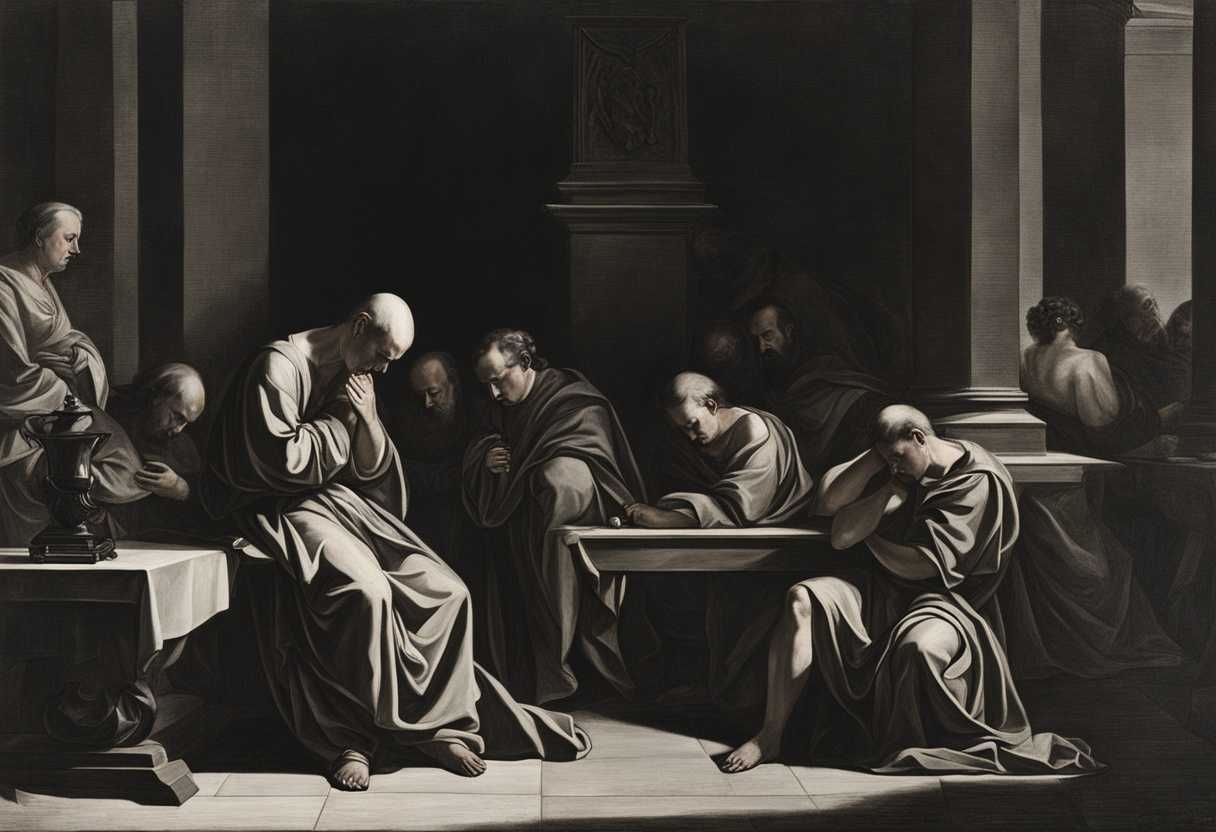
What the Bible Says About Baldness: Understanding Its Meaning and Significance
In the Bible, baldness can be associated with mourning, shame, or divine judgment. For instance, in Leviticus 13:40-41, a man with baldness is considered unclean, and in 2 Kings 2:23-24, the mocking of the prophet Elisha by youths who call him “bald” leads to a curse. Scripture 40 “If a man’s hair falls out from…
-

What the Bible Says About Omega: Definition and Significance
In the Bible, “Omega” is the last letter of the Greek alphabet and symbolizes the end or culmination of all things. It is often associated with Jesus Christ, who declares Himself as “the Alpha and the Omega” in Revelation 22:13, signifying His eternal presence and sovereign authority over history. Scripture 8 “I am the Alpha…
-

What the Bible Says About Guarding Your Heart
“Guard your heart” is a biblical principle found in Proverbs 4:23, which emphasizes the importance of protecting one’s thoughts, emotions, and intentions, as they influence one’s actions and ultimately shape the direction of life. It calls for vigilance against negative influences and encourages the cultivation of a pure and steadfast spirit. Scripture 20 My son,…
-

What the Bible Says About Cassia: A Symbol of Fragrance and Healing
Cassia in the Bible refers to an aromatic plant mentioned in Exodus 30:24 as one of the ingredients in holy anointing oil. It is associated with fragrance and is often linked to healing and purification. Scripture 22 The Lord said to Moses, 23 “Take the finest spices: of liquid myrrh 500 shekels, and of sweet-smelling…
-

What the Bible Says About the Meaning of a Kiss
In the Bible, a kiss often symbolizes affection, greeting, or reconciliation, as seen in passages like Genesis 27:26-27 when Isaac kisses Jacob, or the prodigal son’s return in Luke 15:20. It can also represent betrayal, most notably in the kiss of Judas in Matthew 26:48-49. Scripture 26 Then his father Isaac said to him, “Come…
-

What the Bible Says About the Meaning of the Flood
In the Bible, the flood represents God’s judgment on human wickedness, as described in Genesis 6-9, where He decides to cleanse the earth by destroying all living beings, except for Noah and his family, who are saved in the Ark. It signifies themes of rebirth, covenant, and God’s mercy in the aftermath, as seen in…