
In the Bible, baldness can be associated with mourning, shame, or divine judgment. For instance, in Leviticus 13:40-41, a man with baldness is considered unclean, and in 2 Kings 2:23-24, the mocking of the prophet Elisha by youths who call him “bald” leads to a curse.
Scripture
40 “If a man’s hair falls out from his head, he is bald; he is clean.”
41 But if in his eyes the itch is unchanged and black hair has grown in it, the itch is healed and he is clean, and the priest shall pronounce him clean.
42 But if there is in the bald head or the bald forehead a reddish-white diseased area, it is a leprous disease breaking out on his bald head or his bald forehead.
43 “Then the priest shall examine it, and if the swelling of the itch is reddish-white on his bald head or on his bald forehead like the appearance of leprous disease in the skin of the body,”
44 he is a leprous man; he is unclean. He shall live alone. His dwelling shall be outside the camp.
Biblical Significance of Baldness
The biblical significance of baldness often intertwines with themes of mourning, disgrace, and divine judgment, reflecting the socio-cultural context of ancient Israel. In Leviticus 13:40-41, where a man’s baldness is cited as a sign of leprosy, it highlights a physical manifestation of societal exclusion and spiritual impurity. Baldness, in this case, serves as a metaphorical and literal marker of someone set apart due to a pronounced condition, thereby emphasizing the severe implications of one’s status as unclean under the Levitical laws.
Furthermore, in 2 Kings 2:23-24, the incident with Elisha demonstrates how baldness serves as a point of derision and a loss of dignity. The mocking by the youths signifies a challenge to the authority and sanctity of the prophet, leading to a swift divine retribution. This incident reflects the seriousness with which both society and God regard the respect due to prophetic figures. Through these instances, baldness symbolizes not only personal loss or misfortune but also serves as a broader commentary on community values, faithfulness to God, and the consequences of transgressing divine or social orders. Overall, baldness captures a complex interplay of cultural identity, divine judgment, and human relationships as portrayed in the biblical narrative.
In addition to its associations with mourning and disgrace, baldness in the Bible can also signify profound spiritual truths and transformations. For instance, in the context of Nazirites, individuals who took vows of separation and dedication to God, the practice often included abstaining from cutting hair, which is the opposite of baldness. The presence of baldness among Nazirites might therefore indicate a life of devotion and separation from worldly practices, illustrating the idea of sacrifice and spiritual commitment. The contrast in hair status can symbolize purity and the sacred nature of one’s relationship with God, demonstrating how physical appearances can reflect deeper spiritual realities.
Moreover, baldness is sometimes referenced metaphorically, depicting vulnerability and loss of strength. In Isaiah 15:2, for instance, the imagery of baldness can be associated with mourning and defeat, echoing a time of tribulation for the people of Moab. This reflects a societal perception where one’s physical state serves as a harbinger of emotional and spiritual states, encapsulating a community’s distress and a call for repentance. Such expressions not only underscore the gravity of one’s earthly existence but also invite exploration of the ways individuals and communities respond to divine messages in times of hardship and transition. Through these layers, baldness in biblical literature emerges as a multifaceted symbol, evoking themes of commitment, vulnerability, and human spiritual journeys amidst the challenges of life.
Symbol of Mourning and Grief
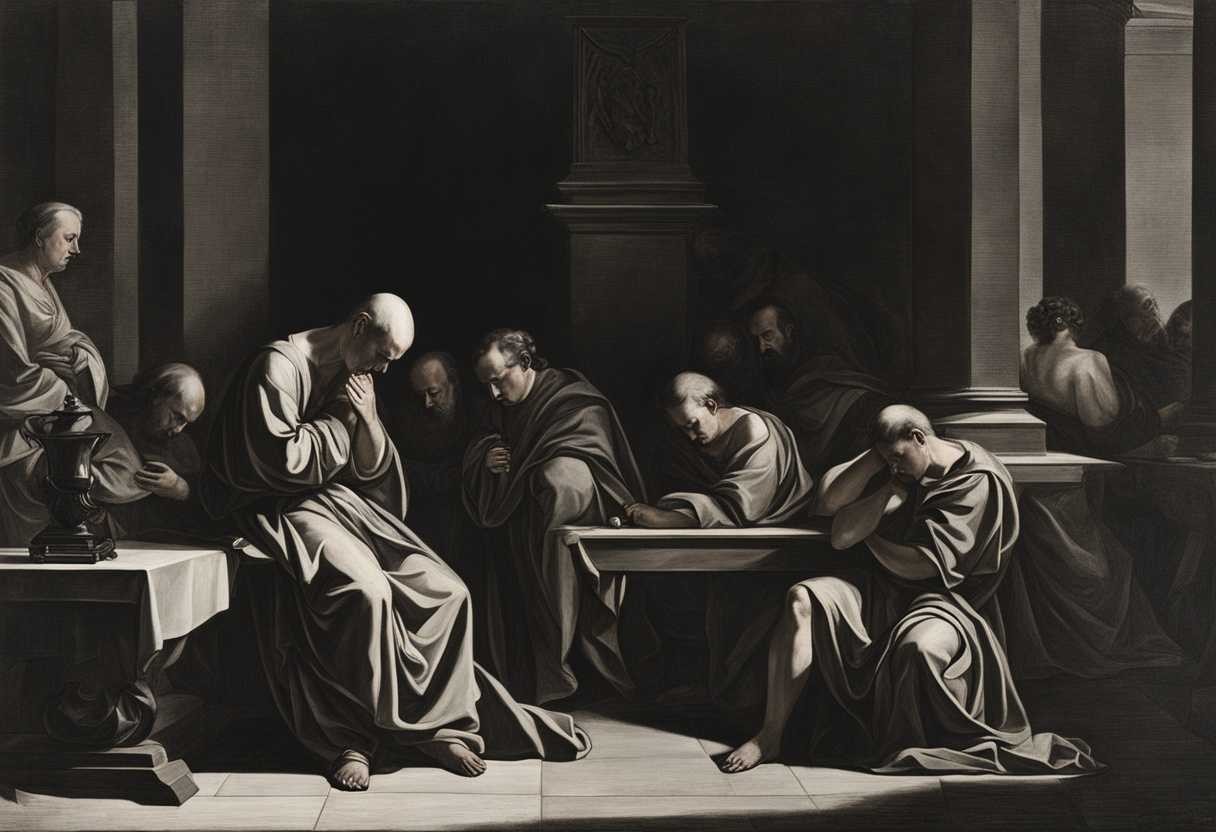
In biblical contexts, baldness often signifies a state of mourning or deep sorrow. It is associated with the physical manifestation of inner turmoil and loss. Individuals who were grieving would sometimes shave their heads as an outward expression of their inner pain, reflecting the seriousness of their emotional state. This act served as a visible sign to others of their distress and the gravity of their situation.
Representation of Humility and Repentance
Baldness can also symbolize humility and a desire for repentance. In ancient cultures, including those depicted in the Bible, shaving one’s head was sometimes a sign of submission or a plea for forgiveness. This act could indicate a person’s recognition of their shortcomings and a desire to return to a state of grace. It reflects a willingness to shed pride and acknowledge one’s need for divine mercy.
Consequence of Divine Judgment
In certain biblical narratives, baldness is associated with divine judgment or punishment. It can serve as a metaphor for the loss of dignity or status, often as a result of disobedience to God. This connection highlights the seriousness of straying from divine commandments and the potential consequences that follow. Baldness, in this sense, becomes a physical representation of spiritual decline or the repercussions of sin.
How to Embrace Humility and Grow in Faith
Embracing humility is a beautiful journey that can profoundly deepen your faith and relationship with God. It starts with recognizing that we are all imperfect beings in need of grace, just as Paul reminds us in Romans 3:23. When we let go of our pride and acknowledge our limitations, we open ourselves to learning and growth. This means being willing to listen to others, seek counsel, and even admit when we’re wrong. Practicing gratitude is another powerful way to cultivate humility; by regularly reflecting on the blessings in your life, you’ll find it easier to appreciate the gifts God has given you and to serve others selflessly. Remember, Jesus modeled humility perfectly, washing the feet of His disciples (John 13:1-17) and teaching us that true greatness comes from serving others. So, as you strive to grow in faith, ask God to help you embrace a humble heart, and watch how it transforms not only your relationship with Him but also your interactions with those around you.
Bible References to the Significance of Baldness:
2 Kings 2:23-25: 23 He went up from there to Bethel, and while he was going up on the way, some small boys came out of the city and jeered at him, saying, “Go up, you baldhead! Go up, you baldhead!”
24 He turned around, looked at them, and called down a curse on them in the name of the Lord. Then two bears came out of the woods and mauled forty-two of the boys.
25 He went up from there to Bethel, and while he was going up on the way, some small boys came out of the city and jeered at him, saying, “Go up, you baldhead! Go up, you baldhead!”
Isaiah 3:16-24: 16 The Lord said: Because the daughters of Zion are haughty and walk with outstretched necks, glancing wantonly with their eyes, mincing along as they go, tinkling with their feet,
17 therefore the Lord will strike with a scab the heads of the daughters of Zion, and the Lord will lay bare their secret parts.
18 In that day the Lord will take away the finery of the anklets, the headbands, and the crescents;
19 the festal robes, the mantles, the cloaks, and the handbags;
20 the headdresses, the armlets, the sashes, the perfume boxes, and the amulets;
21 the signet rings and the nose rings;
22 the festal robes, the mantles, the cloaks, and the handbags;
23 who make their anklets jingle, and disclose the amulets under their veils;
24 Instead of perfume there will be rottenness; and instead of a belt, a rope; and instead of well-set hair, baldness; and instead of a rich robe, a skirt of sackcloth; and branding instead of beauty.
Ezekiel 7:18-19: 18 They put on sackcloth, and horror covers them. Shame is on all faces, and baldness on all their heads.
19 They cast their silver into the streets, and their gold is like an unclean thing. Their silver and gold are not able to deliver them in the day of the wrath of the Lord. They cannot satisfy their hunger or fill their stomachs with it. For it was the stumbling block of their iniquity.
Micah 1:16-16: 16 Make yourselves bald and cut off your hair,
for the children of your delight;
make yourselves as bald as the eagle,
for they shall go from you into exile.

Rev. François Dupont is a dedicated church minister with a wealth of experience in serving spiritual communities. With a calm and serene demeanor, he has been devoted to sharing the message of love, compassion, and tolerance for over two decades. Through his thoughtful sermons, compassionate counseling, and unwavering support, Rev. Dupont has touched the lives of countless individuals, allowing them to find solace and strength during difficult times. His serene presence and deep understanding of the human condition make him a trusted guide for those seeking spiritual nourishment and guidance.