
Category: Spiritual and Theological Concepts
-

What the Bible Says About “All Flesh is Grass”
The phrase “All flesh is grass” comes from Isaiah 40:6, symbolizing the temporality and fragility of human life and earthly existence. It highlights the contrast between the fleeting nature of humanity and the enduring word of God. Scripture 6 A voice says, “Cry!” And I said, “What shall I cry?” All flesh is grass, and…
-

What the Bible Says About the Meaning of Hosanna
In the Bible, “Hosanna” is a Hebrew phrase meaning “save us” or “save now,” often used as an expression of praise or adoration, particularly during Jesus’ triumphal entry into Jerusalem (Matthew 21:9). It reflects the hopes of the people for salvation and deliverance through the Messiah. Scripture 9 And the crowds that went before him…
-

What the Bible Says About the Meaning of Manna
Manna in the Bible refers to the miraculous food provided by God to the Israelites during their 40 years in the wilderness, as described in Exodus 16. It is often seen as a symbol of God’s provision and sustenance. Scripture 4 Then the Lord said to Moses, “Behold, I am about to rain bread from…
-

What the Bible Says About Anointing: Understanding Its Meaning and Significance
In the Bible, anointing refers to the ceremonial use of oil to consecrate someone or something for a holy purpose, symbolizing God’s selection and empowerment. It often signifies the presence of the Holy Spirit and the sanctification of individuals, such as kings, priests, and prophets. Scripture 22 The Lord said to Moses, 23 “Take the…
-

What the Bible Says About the Definition of a Saint
In the Bible, a saint is generally defined as a holy individual set apart for God’s purpose, often referring to believers who are made righteous through faith in Jesus Christ (Romans 1:7; 1 Corinthians 1:2). The term signifies not only moral purity but also a communal identity among those who follow God’s teachings. Scripture 1…
-
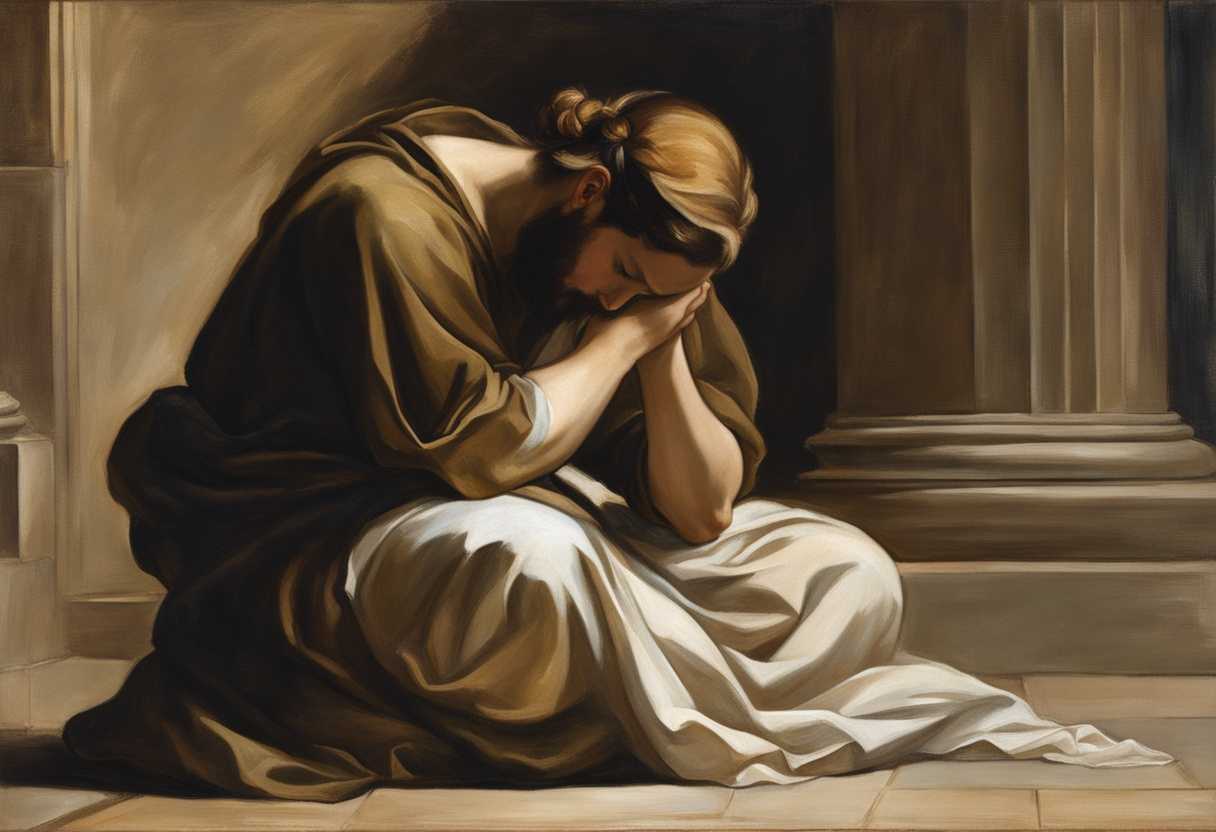
What the Bible Says About Being Contrite
In the Bible, “contrite” refers to a sincere feeling of remorse and humility, especially in the context of repentance for one’s sins. It often indicates a broken spirit and a desire for reconciliation with God, as seen in Psalm 51:17, which states that God values a contrite heart. Scripture 16 For you will not delight…
-

What the Bible Says About the Meaning of Power
In the Bible, power often refers to the divine authority and strength granted by God, enabling individuals to perform miracles, lead, or proclaim His word (Acts 1:8). It can also signify the moral and spiritual strength to overcome challenges and temptations (Philippians 4:13). Scripture 8 But you will receive power when the Holy Spirit has…
-

What the Bible Says About Being Vexed: A Definition and Exploration
In the Bible, “vexed” refers to being troubled, distressed, or agitated, often due to external circumstances or the actions of others. It conveys a sense of emotional turmoil or irritation experienced by individuals, as seen in various passages such as in Genesis 26:35 and Judges 10:16. Scripture 1 Then Job answered: 2 “How long will…
-
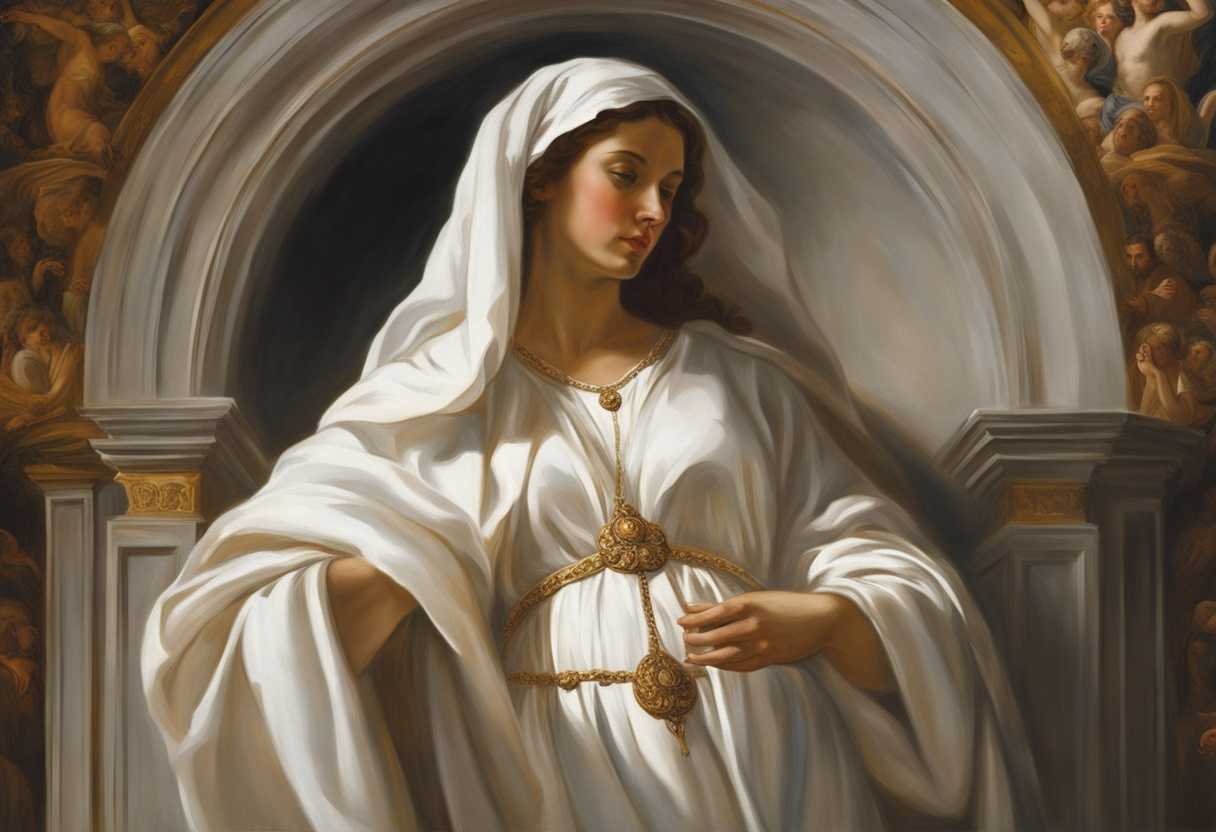
What the Bible Says About Pure Meaning
In the Bible, “pure” often refers to moral and spiritual cleanliness, as in being free from sin and corruption. It can also denote physical cleanliness or the absence of impurities, as found in offerings and worship practices (e.g., Matthew 5:8, “Blessed are the pure in heart, for they shall see God”). Scripture 6 The words…
-

What the Bible Says About the Meaning of the Right Hand
In the Bible, “right hand” often symbolizes power, authority, and favor. It is frequently associated with God’s might and protection, as seen in Psalm 110:1, where the Lord says to the Messiah, “Sit at my right hand.” Scripture 13 And Joseph took them both, Ephraim in his right hand toward Israel’s left hand, and Manasseh…