
Category: Spiritual and Theological Concepts
-

What the Bible Says About “I Am the Bread of Life”
In the Bible, “I am the bread of life” refers to Jesus’ declaration in John 6:35, symbolizing that He is essential for spiritual sustenance and eternal life. Just as bread sustains physical life, Jesus offers spiritual nourishment and fulfillment to those who believe in Him. Scripture 25 When they found him on the other side…
-

What the Bible Says About the Meaning of My Rib
In the Bible, the phrase “my rib” refers to the creation of woman from man, specifically in the context of Genesis 2:21-22, where God creates Eve from one of Adam’s ribs. It symbolizes the intimate and complementary relationship between man and woman, emphasizing their shared humanity and partnership. Scripture 21 So the Lord God caused…
-

What the Bible Says About the Son of Perdition: Understanding Its Meaning
The term “son of perdition” in the Bible refers to a person destined for destruction or ruin, often associated with betrayal and wickedness. It is notably used in John 17:12, where it describes Judas Iscariot, emphasizing his role in betraying Jesus and his eventual judgment. Scripture 12 While I was with them, I kept them…
-

What the Bible Says About the Meaning of Ascents
In the Bible, “ascents” often refers to the journeys or rituals of going up to Jerusalem, particularly for worship and pilgrimage, as seen in the Psalms of Ascents (Psalms 120-134). The term symbolizes spiritual elevation and the act of drawing closer to God. Scripture 1 In my distress I called to the Lord, and he…
-

What the Bible Says About the Meaning of Cedars of Lebanon
In the Bible, the “Cedars of Lebanon” symbolize strength, majesty, and endurance, often representing God’s grandeur and the splendor of His creation. They are frequently referenced in scripture to illustrate the beauty of the temple and to highlight the wealth and resources of ancient Israel (e.g., 1 Kings 6:15). Scripture 6 Now therefore command that…
-

What the Bible Says About the Meaning of El Bethel
El Bethel, meaning “God of Bethel,” refers to a location mentioned in Genesis 35:7 where Jacob built an altar after God revealed Himself to him. It signifies a deeper understanding of God’s presence and relationship with His people. Scripture 1 God said to Jacob, “Arise, go up to Bethel and dwell there. Make an altar…
-
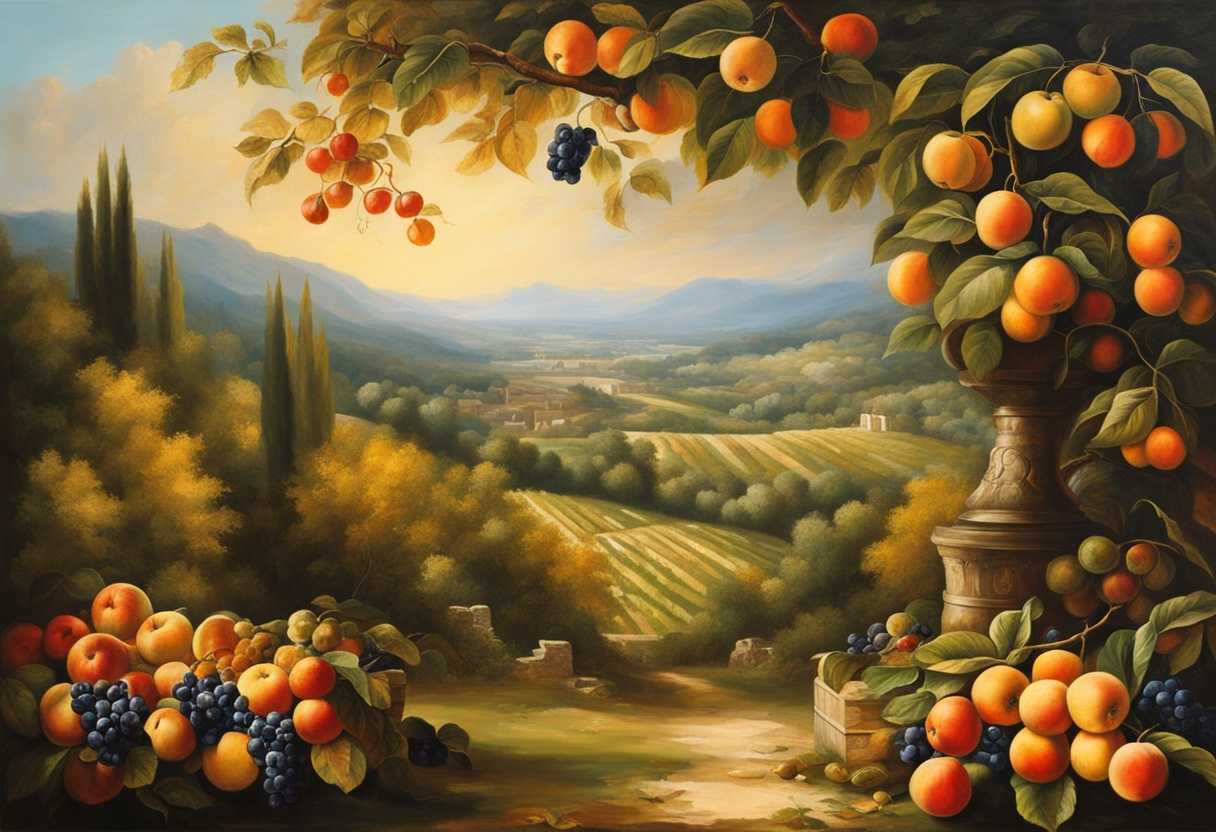
What the Bible Says About Good Fruit: Understanding Its Meaning
In the Bible, “good fruit” symbolizes the positive and righteous outcomes of a person’s actions and character, particularly in relation to faith and obedience to God’s commandments. It is often associated with the qualities of the Holy Spirit, such as love, joy, peace, and kindness, demonstrating a life that reflects God’s values (Galatians 5:22-23). Scripture…
-

What the Bible Says About the Meaning of Jehovah Shammah
Jehovah Shammah translates to “The Lord is There” and signifies the presence of God, particularly in the context of His promised presence among His people, as referenced in Ezekiel 48:35. It highlights God’s nearness and faithfulness to His people, assuring them of His omnipresence. Scripture 30 These shall be the exits of the city: On…
-

What the Bible Says About Nissi: Understanding Its Meaning
In the Bible, “Nissi” means “the Lord is my banner” and is derived from the name given by Moses to an altar he built after the Israelites’ victory over the Amalekites (Exodus 17:15). It signifies God’s protection and leadership over His people during their journey. Scripture 8 Then Amalek came and fought with Israel at…
-

What the Bible Says About the Refiner’s Fire Meaning
In the Bible, “refiner’s fire” symbolizes purification and transformation, representing the process through which God cleanses and refines believers, akin to how precious metals are purified by heat. This imagery is found in Malachi 3:3, indicating that God will refine and purify the sons of Levi to make them acceptable offerings. Scripture 1 “Behold, I…