
Category: Spiritual and Theological Concepts
-

What the Bible Says About Brokenness: Understanding Its Definition and Meaning
In the Bible, brokenness often refers to a state of humility and surrender before God, recognizing one’s sinfulness and need for divine grace (Psalm 34:18). It is seen as a pivotal condition that leads to healing and restoration, as God draws near to the contrite heart (Isaiah 57:15). Scripture 17 When the righteous cry for…
-

“What the Bible Says About the Hardening of Hearts”
In the Bible, “harden” often refers to the process of a person’s heart or spirit becoming resistant to God’s guidance or truth, as seen in instances like Pharaoh’s heart being hardened in Exodus (Exodus 7:3). This hardening can lead to a further estrangement from God and an inability to repent. Scripture 21 The Lord said…
-
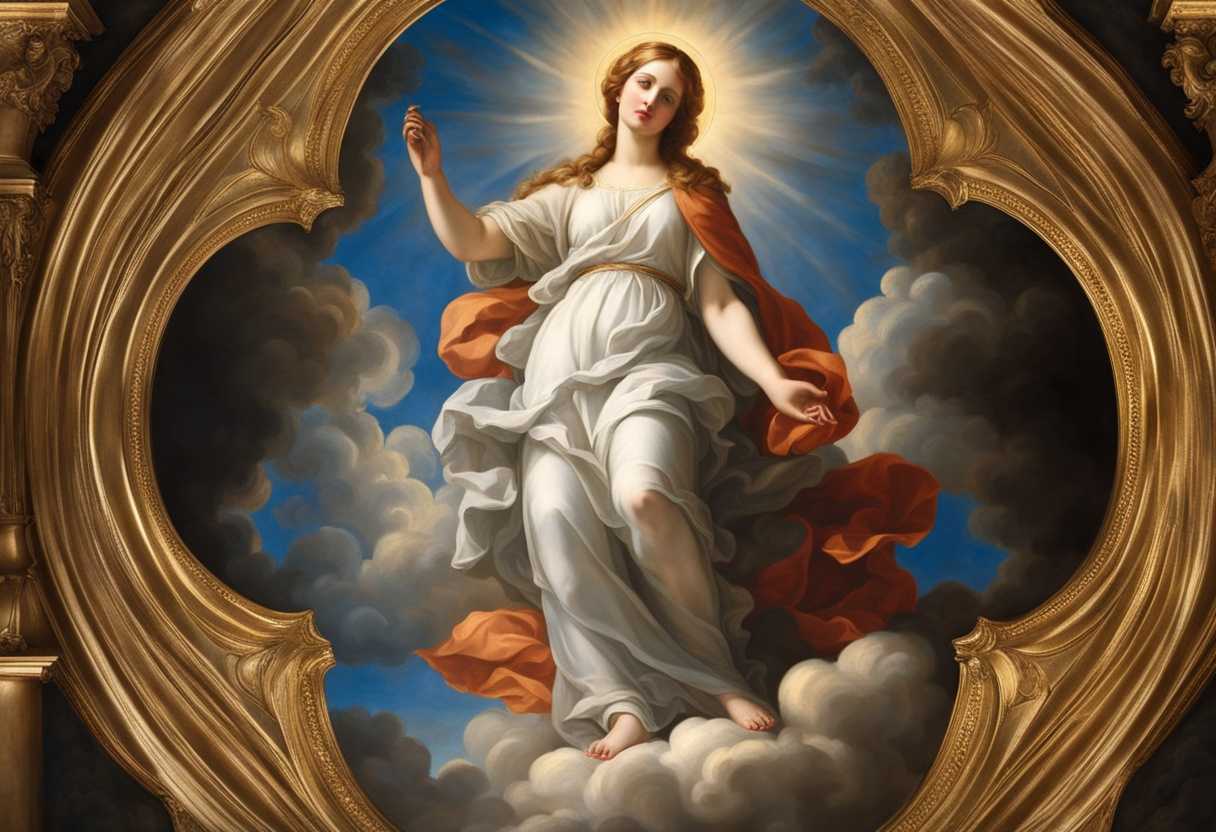
What the Bible Says About the Definition of Overshadow
In the Bible, “overshadow” often signifies the presence and power of God enveloping or influencing a person or situation, as seen in Luke 1:35, where the Holy Spirit overshadows Mary, leading to the conception of Jesus. It can also imply divine protection or guidance, suggesting a nurturing and enveloping force. Scripture 34 Then the cloud…
-

What the Bible Says About the Beginning of Life
In the Bible, the beginning of life is often associated with creation, where God creates humanity in His image (Genesis 1:26-27) and breathes life into man (Genesis 2:7). It signifies the divine intention and purpose for human existence from the moment of conception. Scripture 1 In the beginning, God created the heavens and the earth.…
-

What the Bible Says About the Meaning of Olive Oil
In the Bible, olive oil symbolizes purity, anointing, and the Holy Spirit. It was used for anointing priests and kings, as well as in religious ceremonies, representing God’s presence and blessing (Exodus 30:25-30). Scripture 20 “You shall command the people of Israel that they bring to you pure beaten olive oil for the light, that…
-

What the Bible Says About Chronos: Understanding Time in Scripture
In the Bible, “Chronos” refers to chronological or measured time, emphasizing the sequential passage of time. It contrasts with “Kairos,” which signifies a specific, opportune moment in God’s plan or divine timing. Scripture 1 In the beginning, God created the heavens and the earth. 2 The earth was without form and void, and darkness was…
-

What the Bible Says About the Creator: A Definition and Exploration
In the Bible, the Creator refers to God, who is depicted as the omnipotent being responsible for the formation of the universe and all living things, as seen in Genesis 1:1, “In the beginning, God created the heavens and the earth.” The term underscores God’s sovereign power and purpose in bringing existence into reality. Scripture…
-

What the Bible Says About the Sacred Definition of Faith
In the Bible, “sacred” refers to something that is holy, consecrated, or set apart for God’s purpose and service. It signifies the respect and reverence due to God and His divine presence, as seen in rituals, places, and objects dedicated to worship. Scripture 5 Then he said, “Do not come near; take your sandals off…
-

What the Bible Says About the Literal Sense of Scripture
The literal sense of Scripture refers to understanding the text based on its explicit meaning, considering the historical context, grammar, and literary forms. This approach seeks to discern what the author intended to convey at the time of writing without imposing external interpretations. Scripture 1 In the beginning, God created the heavens and the earth.…
-

What the Bible Says About the Confusion of Faces
The phrase “confusion of faces” refers to a state of shame and embarrassment, often due to sin or disobedience to God. It is found in contexts where God’s people recognize their wrongdoings and the resulting disgrace, highlighting their need for repentance and restoration (e.g., Daniel 9:7). Scripture 7 To you, O Lord, belongs righteousness, but…