
1 Chronicles 29:10-13 is about King David acknowledging God’s greatness and authority as the ultimate source of strength, honor, and glory, emphasizing the importance of giving thanks, praising, and worshiping God for His sovereignty and blessing.
10 Therefore David blessed the Lord in the presence of all the assembly. And David said: “Blessed are you, O Lord, the God of Israel our father, forever and ever.
11 Yours, O Lord, is the greatness and the power and the glory and the victory and the majesty, for all that is in the heavens and in the earth is yours. Yours is the kingdom, O Lord, and you are exalted as head above all.
12 Both riches and honor come from you, and you rule over all. In your hand are power and might, and in your hand it is to make great and to give strength to all.
13 And now we thank you, our God, and praise your glorious name.
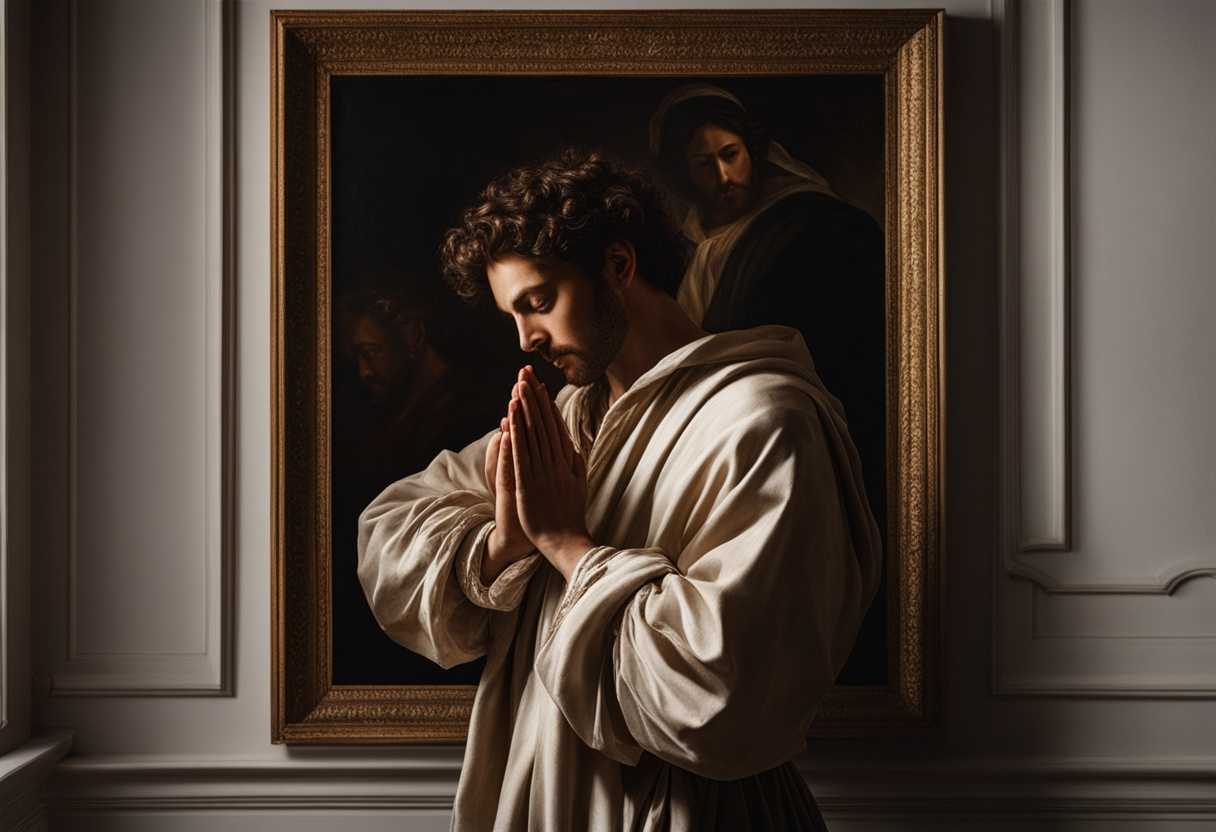
Setting the Scene for 1 Chronicles 29:10-13
The scene in 1 Chronicles 29:10-13 takes place in the grand and majestic temple of Jerusalem. King David, a man after God’s own heart, is standing before the entire assembly of Israel. The temple is filled with the leaders, officials, and people of the nation who have gathered to witness a significant moment in their history. The atmosphere is charged with anticipation and reverence as they await David’s words.
David, with humility and gratitude, raises his hands towards heaven and begins to pray. His voice echoes through the temple as he praises the greatness and glory of God. He acknowledges God’s sovereignty over all things and expresses his awe and thankfulness for the blessings bestowed upon him and his people. The people are moved by David’s heartfelt words, and a sense of unity and devotion fills the temple as they join him in worship and praise.
In this moment, the scene is not just a gathering of people in a physical space but a spiritual communion between a king and his subjects, united in their love and reverence for the Almighty. The temple, with its intricate designs and sacred artifacts, serves as a backdrop to this profound moment of worship and adoration. The words spoken by David resonate deeply with all those present, reminding them of the power and grace of God that has brought them to this point in their history.
What is 1 Chronicles 29:10-13 about?
What a beautiful verse showcasing David’s deep reverence and awe for God’s majesty! David recognizes God’s supreme authority and might as he expresses his gratitude. Through this prayer, David humbles himself before the Almighty, surrendering to His divine will and exalting His unmatched glory.
This verse serves as a reminder for us to reflect on the magnificence of God and acknowledge His omnipotence in our lives. It prompts us to bow down in worship and gratitude, recognizing that all power and glory belong to Him alone. How often do we pause to marvel at the greatness of God and offer Him the praise and adoration He deserves? David’s footsteps lead us to approach God with reverence and give Him the honor and glory that are rightfully His.
Understanding what 1 Chronicles 29:10-13 really means
Structure of Commentary:
- Introduction to the Passage
- Detailed Examination of Key Phrases
- Cross-Referencing with Other Bible Passages
- Relevance to Modern Readers
- Personal Anecdote to Illustrate Application
- Conclusion and Call to Reflection
Commentary:
Introduction to the Passage:
The verses from 1 Chronicles 29:10-13 are a part of King David’s prayer of praise to God. This passage is a profound expression of worship and acknowledgment of God’s greatness and sovereignty. It comes at a time when David is preparing to hand over the throne to his son Solomon and is making provisions for the building of the temple. This context adds depth to David’s words, making them not just a personal prayer but a communal declaration of faith.
Detailed Examination of Key Phrases:
David begins with “Praise be to you, Lord, the God of our father Israel,” which immediately sets a tone of reverence and continuity. It connects the present moment with the heritage of faith that began with the patriarchs. When David says, “Yours, Lord, is the greatness and the power and the glory and the majesty and the splendor,” he is acknowledging the totality of God’s attributes. Each term—greatness, power, glory, majesty, splendor—speaks to different aspects of God’s character, painting a comprehensive picture of His divine nature.
Cross-Referencing with Other Bible Passages:
This prayer echoes the words of the Lord’s Prayer in the New Testament, particularly “For yours is the kingdom and the power and the glory forever” (Matthew 6:13). The continuity between the Old and New Testaments underscores the unchanging nature of God. Additionally, the themes of power and glory are reminiscent of Psalm 145:11-13, where David again extols God’s kingship and enduring dominion. Recognizing God’s sovereignty can ground us in today’s fast-paced world. Amidst chaos and uncertainty, acknowledging that all things belong to God brings peace. This passage encourages us to shift our focus from our problems to God’s power and majesty. How often do we pause to genuinely reflect on God’s attributes and their implications for our lives?
Personal Anecdote to Illustrate Application:
I recall a time when our community faced a significant challenge. Our church building was in desperate need of repairs, and the financial burden seemed insurmountable. During one Sunday service, we read this passage from 1 Chronicles. Inspired by David’s prayer, the congregation came together in a spirit of worship and trust. Miraculously, resources began to flow in, often from unexpected places. It was a powerful reminder that when we acknowledge God’s sovereignty and commit our plans to Him, He provides in ways we could never imagine.
Conclusion and Call to Reflection:
David’s prayer in 1 Chronicles 29:10-13 is more than a historical account; it’s a timeless invitation to recognize and celebrate God’s greatness. Take a moment each day to reflect on God’s attributes—His power, glory, majesty, and splendor as you go about your week. How does this perspective change the way you approach your daily challenges? Let this passage inspire you to live with a heart full of praise and a spirit of trust, knowing that everything in heaven and earth belongs to our mighty God.
How can we express gratitude for God’s greatness?
We can express gratitude for God’s greatness by acknowledging His sovereignty and power, recognizing that He is the ruler of all things. This includes acknowledging His eternal nature and His control over the heavens and the earth. By acknowledging God’s greatness in this way, we show reverence and awe for His majesty and glory.
Another way to express gratitude for God’s greatness is by praising Him for His wisdom and knowledge. This includes recognizing His understanding and insight, as well as His ability to see and know all things. We show appreciation for God’s guidance and provision in our lives by acknowledging His wisdom.
Additionally, we can express gratitude for God’s greatness by thanking Him for His blessings and faithfulness. This includes acknowledging His love and compassion, as well as His continuous care and provision for us. We demonstrate our trust in God’s goodness and gratitude for all that He does for us by thanking Him for His blessings.
Application
Think about the incredible power and glory of God in your life, like a CEO running a successful company or a loving parent guiding a family. Let this knowledge fill you with gratitude and motivate you to praise Him wholeheartedly. Recognize His control over every aspect of your life and let it inspire you to commit and devote yourself deeper. Will you respond to His greatness with a heart full of thanks and a life dedicated to serving Him?

Reverend Michael Johnson is an experienced Church Minister with a profound expertise in spirituality and guidance. With a serene presence and a compassionate heart, he has faithfully served his congregation for over 20 years, leading them on a spiritual journey towards inner peace and enlightenment. Reverend Johnson’s extensive knowledge of religious philosophies and profound understanding of human nature have made him a trusted confidant and mentor to many, as he seamlessly weaves his profound wisdom into life teachings. Reverend Johnson’s calming demeanor and empathetic nature continue to uplift and heal souls, nurturing a sense of unity and tranquility within his community.